
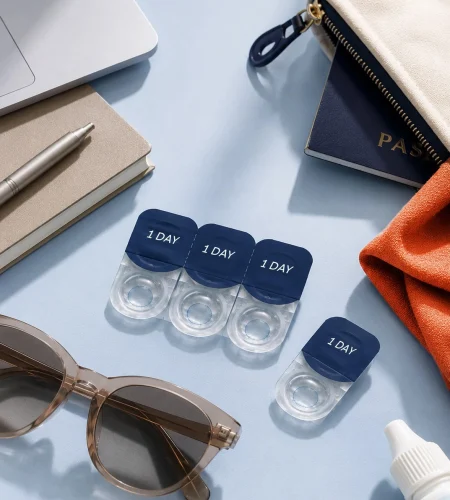
Shopping for daily contact lenses can feel harder than it should. The category sounds simple, but the right choice depends on how often you wear lenses, what your workday feels like, whether you travel or play sports, and how sensitive your eyes are. This guide is for people comparing 1 day contact lenses for convenience, comfort, and cost. You’ll learn when daily disposable contacts make sense, what tradeoffs to expect, and how to narrow the field before you order.
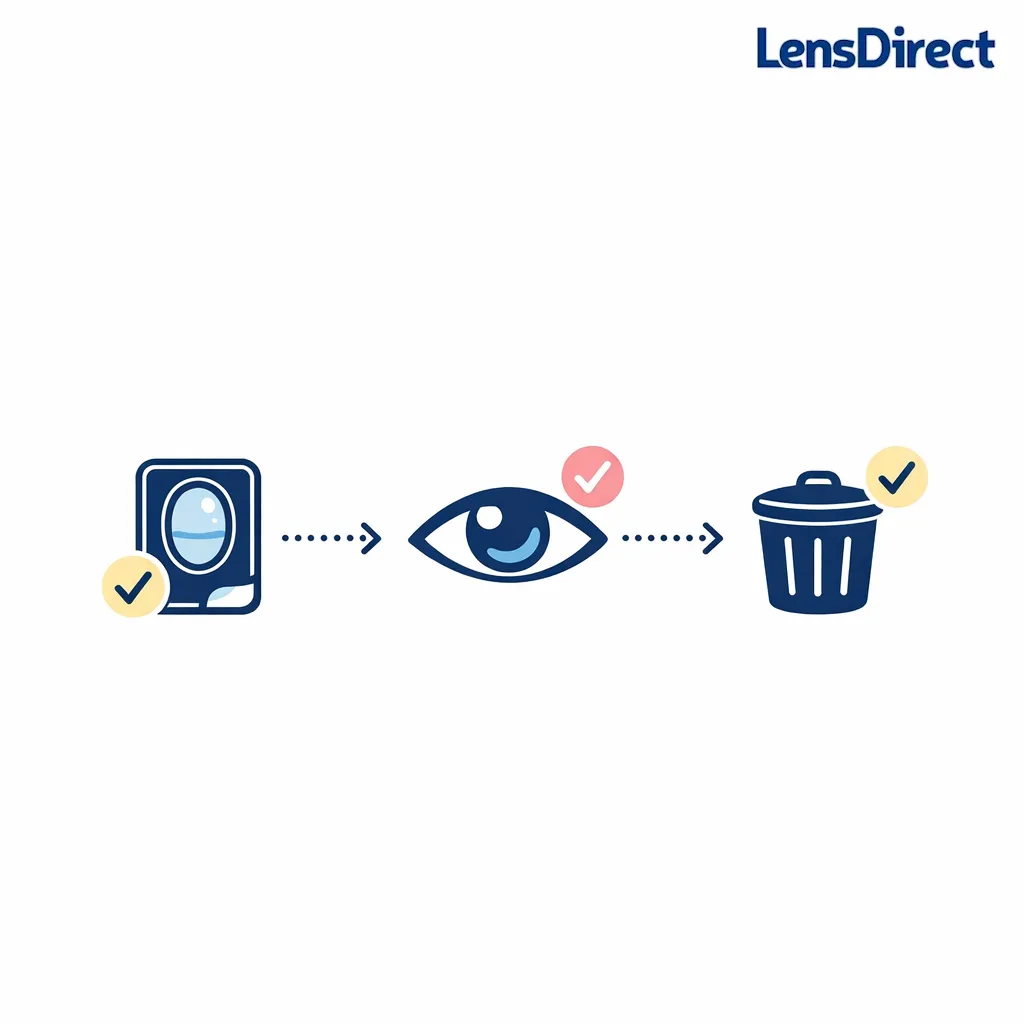
1 day contact lenses are single-use soft lenses that you insert, wear once, remove, and discard. Because contact lenses are medical devices that require a prescription, the best daily lens is not just about brand popularity. It is about getting the right material, shape, and replacement schedule for your eyes and routine.
If you want the short answer on wear time, follow your prescriber’s schedule and do not try to stretch a daily lens into a second day. Public health guidance warns that sleeping in lenses and wearing them longer than directed can increase the risk of eye problems, so daily contacts should come out before sleep and go in the trash after removal.
What 1 day contact lenses are and how they differ from monthly or biweekly lenses
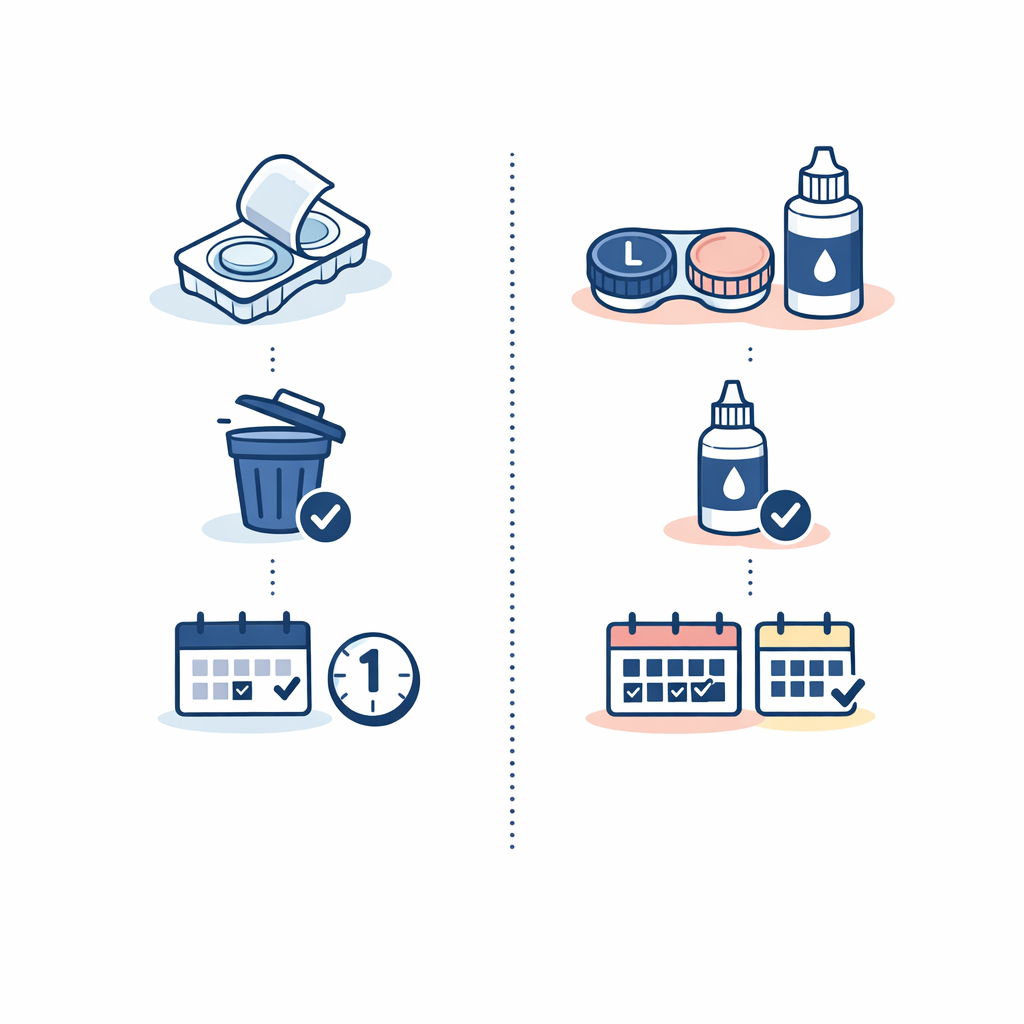
The main difference between daily disposable contacts and reusable lenses is the replacement cycle. With dailies, you open a fresh pair, wear them once, and throw them away. With reusable lenses, you wear the same pair on a replacement schedule and clean and disinfect them between uses, which adds supplies and more routine to manage.
- Daily lenses make the most sense when you want the lowest-maintenance option.
- Biweekly or monthly lenses can work well if you are consistent about cleaning and storage.
- Occasional wearers often like dailies because they only open what they need.
- Full-time wearers usually choose between the simplicity of dailies and the lower box-count routine of reusable lenses.
The real question is not which schedule is universally better. It is which schedule you will actually follow when you are tired, traveling, rushing out the door, or getting home late.
Who daily disposable contacts make the most sense for
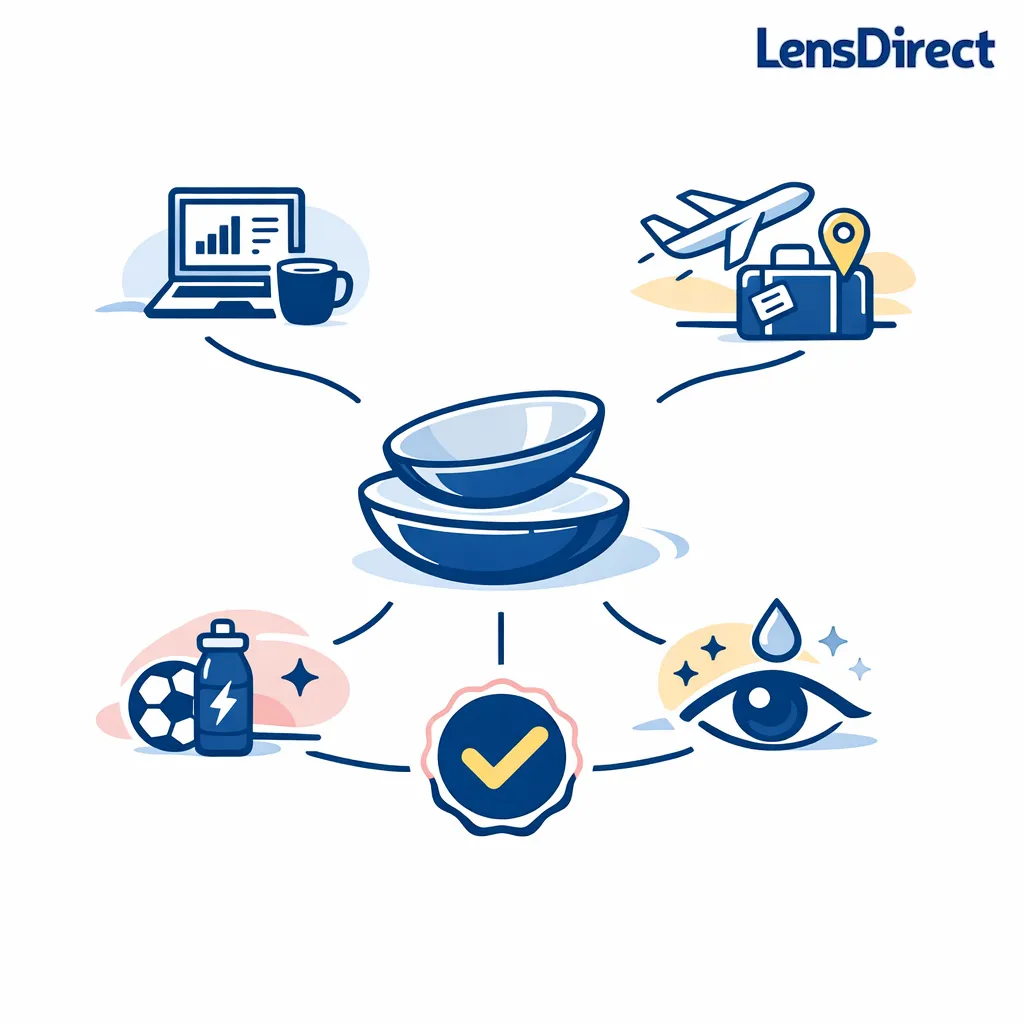
Daily disposable contacts are especially appealing when convenience is part of the decision. If a lens routine feels like friction in your week, 1 day contacts can remove a lot of that friction without forcing you into a full-time reusable schedule.
For work and heavy screen time
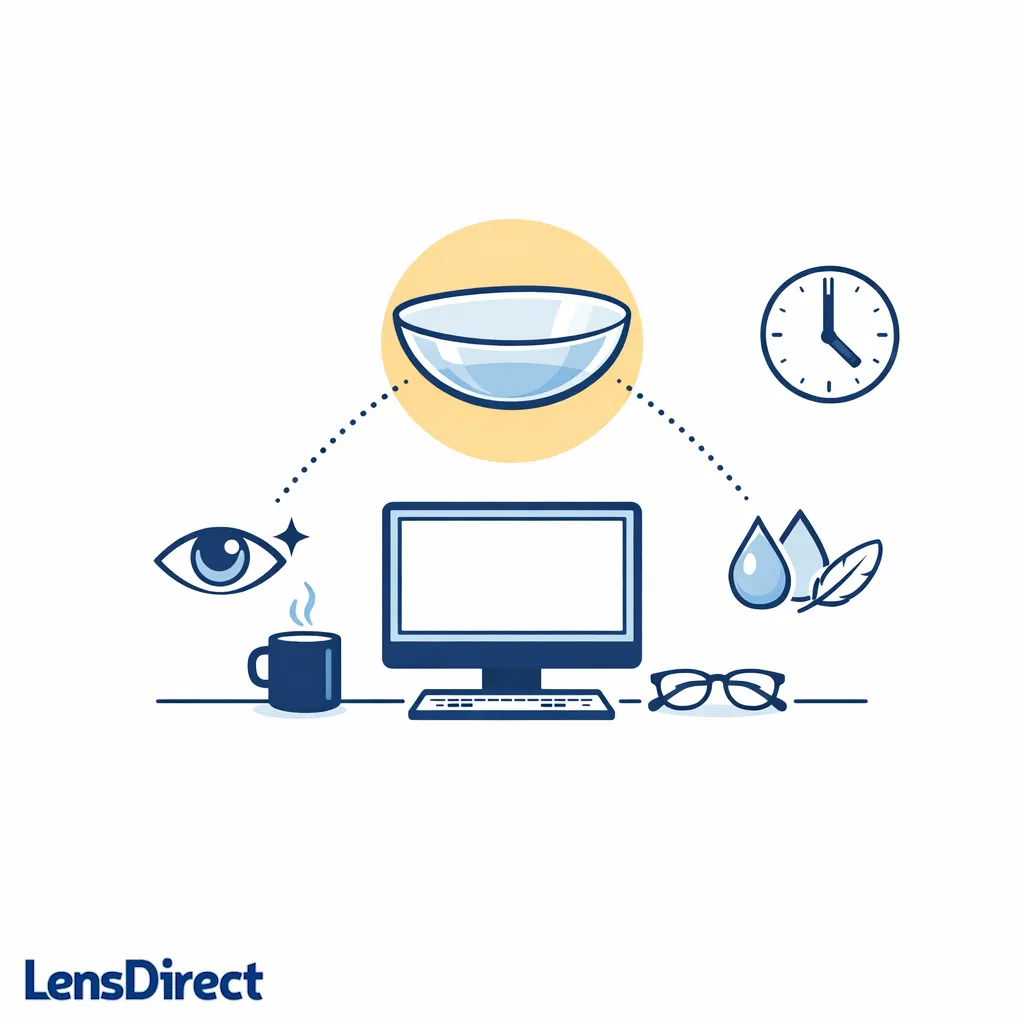
For work, daily contact lenses are often a quality-of-life buy. If your eyes tend to feel more noticeable by late afternoon, starting each morning with a brand-new lens can feel simpler than managing buildup on a reused lens. That does not make dailies the best daily contacts for everyone, but it is a strong reason many office and hybrid workers start their search here.
They also fit uneven schedules. Some weeks you may want contacts every day for meetings and commuting. Other weeks you may switch between glasses and contacts depending on how much screen time you have, and a daily lens lets you make that choice day by day.
For travel and TSA-friendly packing simplicity
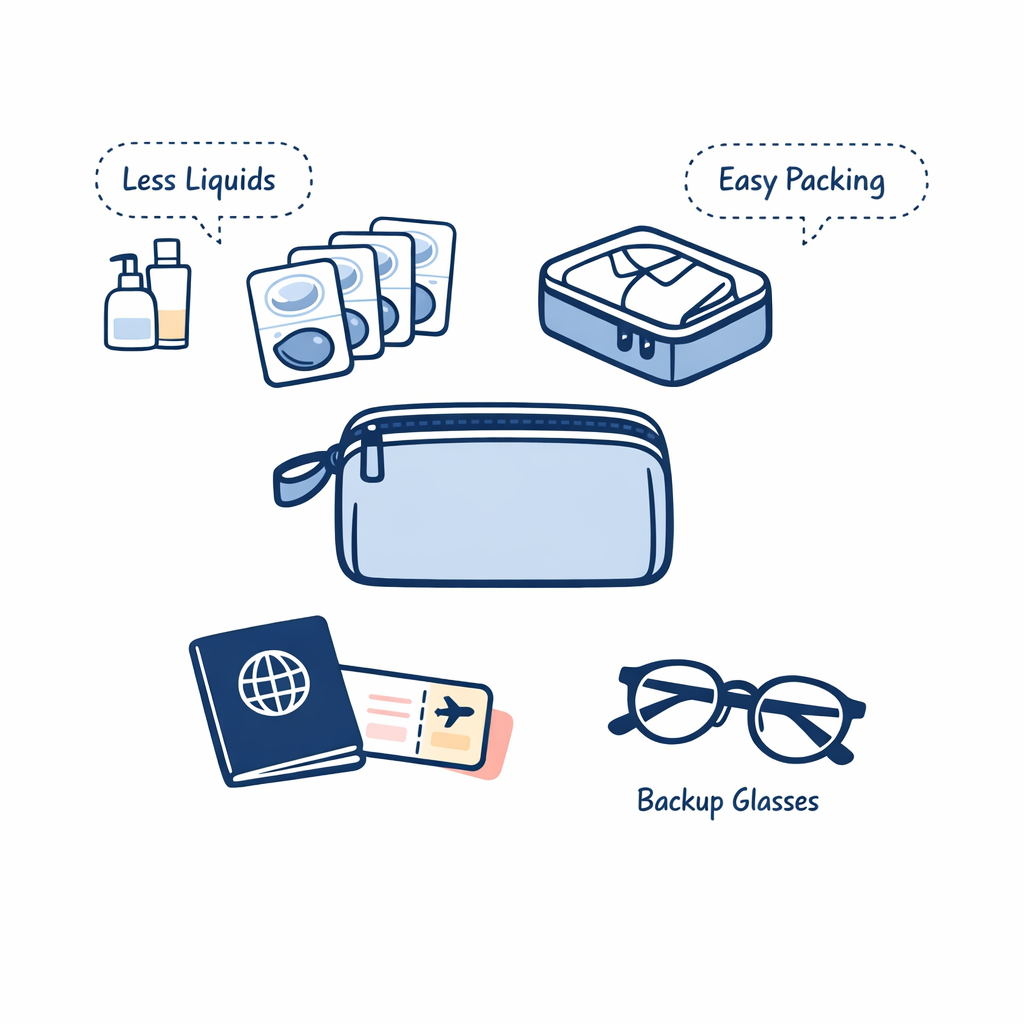
Travel is where daily disposable contacts really show their value. You can count out exactly the lenses you need, pack a few extras, and skip the usual case-and-solution setup on shorter trips. If you do bring solution, TSA’s 3-1-1 liquids rule for carry-ons applies to liquids and gels, so container size matters when you fly.
That makes 1 day contacts especially useful for weekend trips, business travel, and any itinerary where you want fewer moving parts. Keep backup glasses in your bag, and treat your contact lenses as convenience gear, not something to force past the point of comfort.
For sports, gym, and occasional wear
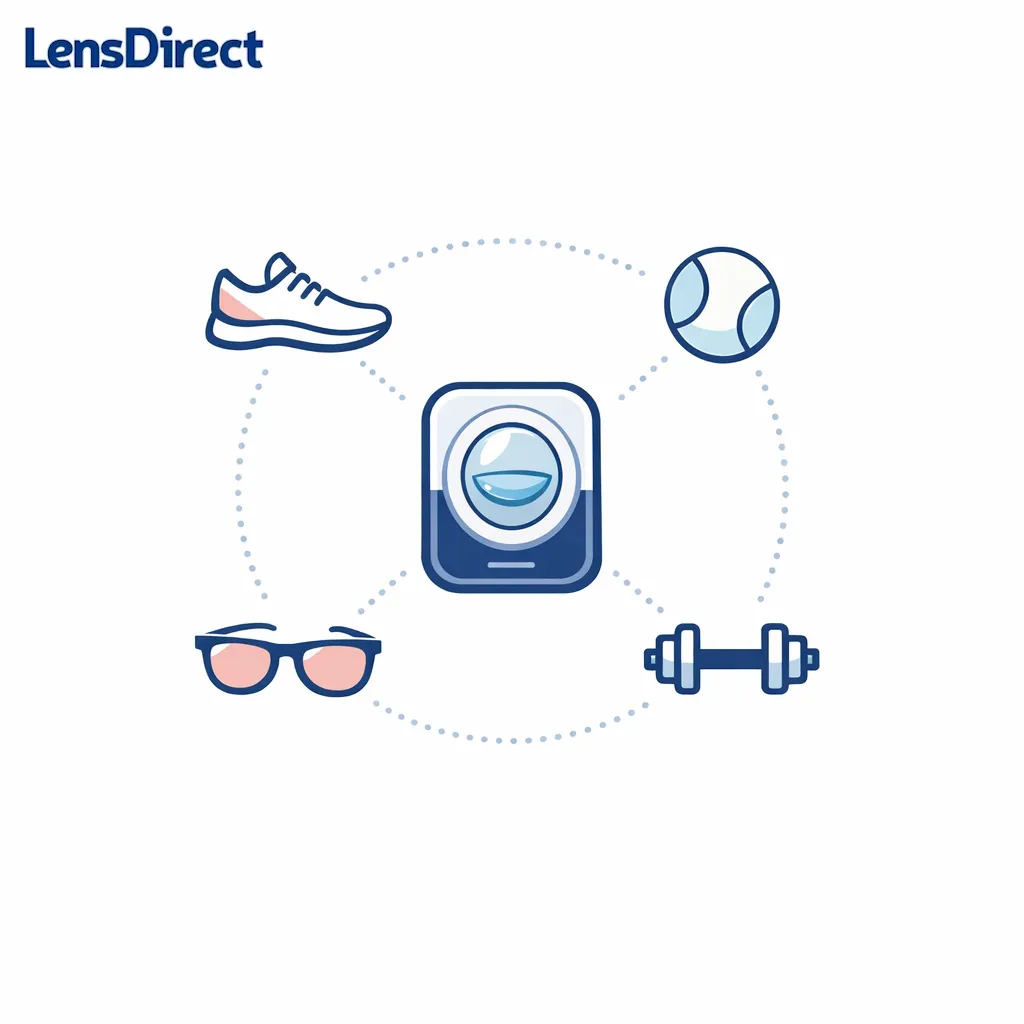
For sports, gym sessions, and occasional wear, daily lenses are easy to justify. You start with a fresh pair, use them for the activity, and toss them after sweat, dust, or a long day outdoors. That is appealing for runners, rec-league players, golfers, and people who mainly want contact lenses for movement rather than nonstop all-day wear.
They also work well as a part-time tool. Some people mostly wear glasses but keep 1 day contact lenses for workouts, events, ski days, or times when prescription sunglasses make more sense. If that sounds like you, dailies may be smarter than opening a reusable schedule you do not use consistently.
For dry eyes, allergies, and sensitive routines
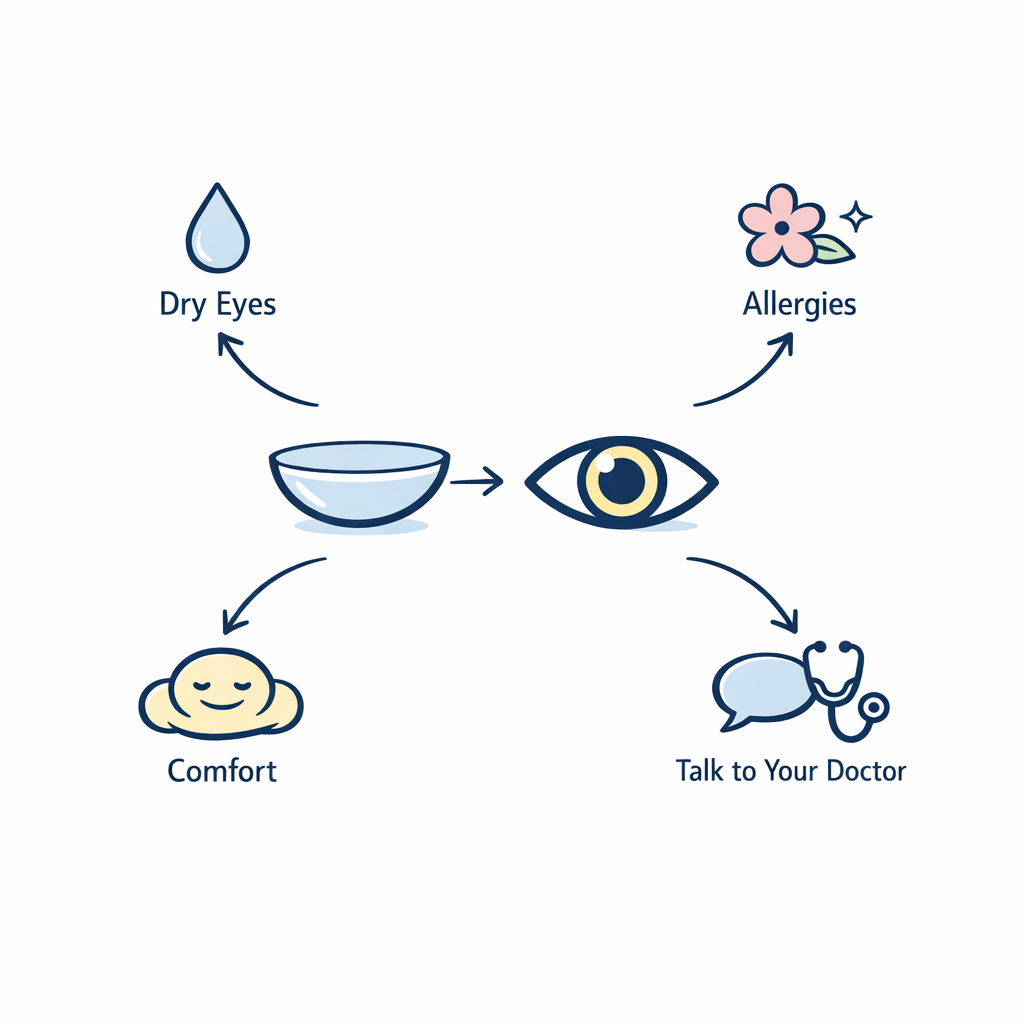
If your routine includes dryness, allergies, or eyes that get irritated easily, daily contacts are worth discussing with your optometrist. The National Eye Institute notes that dry eye can cause stinging, scratchiness, fluctuating vision, and discomfort, and some wearers find a fresh lens easier to manage than repeatedly cleaning and rewearing the same pair.
That said, daily disposable contacts are not a cure-all. Lens material, fit, tear quality, allergies, screen habits, and underlying eye conditions all matter. If your eyes are regularly red, gritty, or blurry in lenses, the answer may be a different lens design, a shorter wear day, or an exam rather than simply buying a more expensive box.
Pros and cons of daily contact lenses
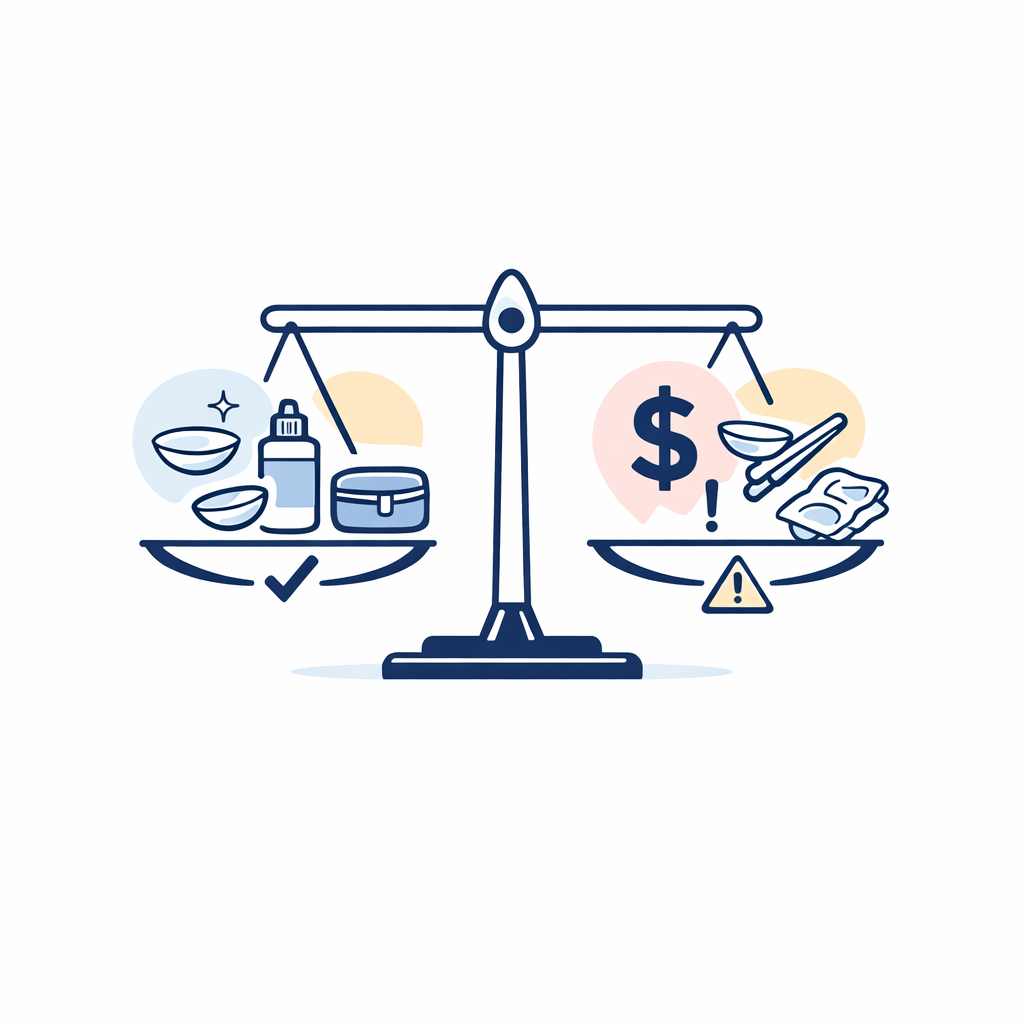
The biggest appeal of daily contact lenses is that they remove a lot of steps from the routine. If you like the idea of a fresh lens and no case or solution on a normal day, dailies are the simplest schedule to live with.
Hygiene and convenience benefits
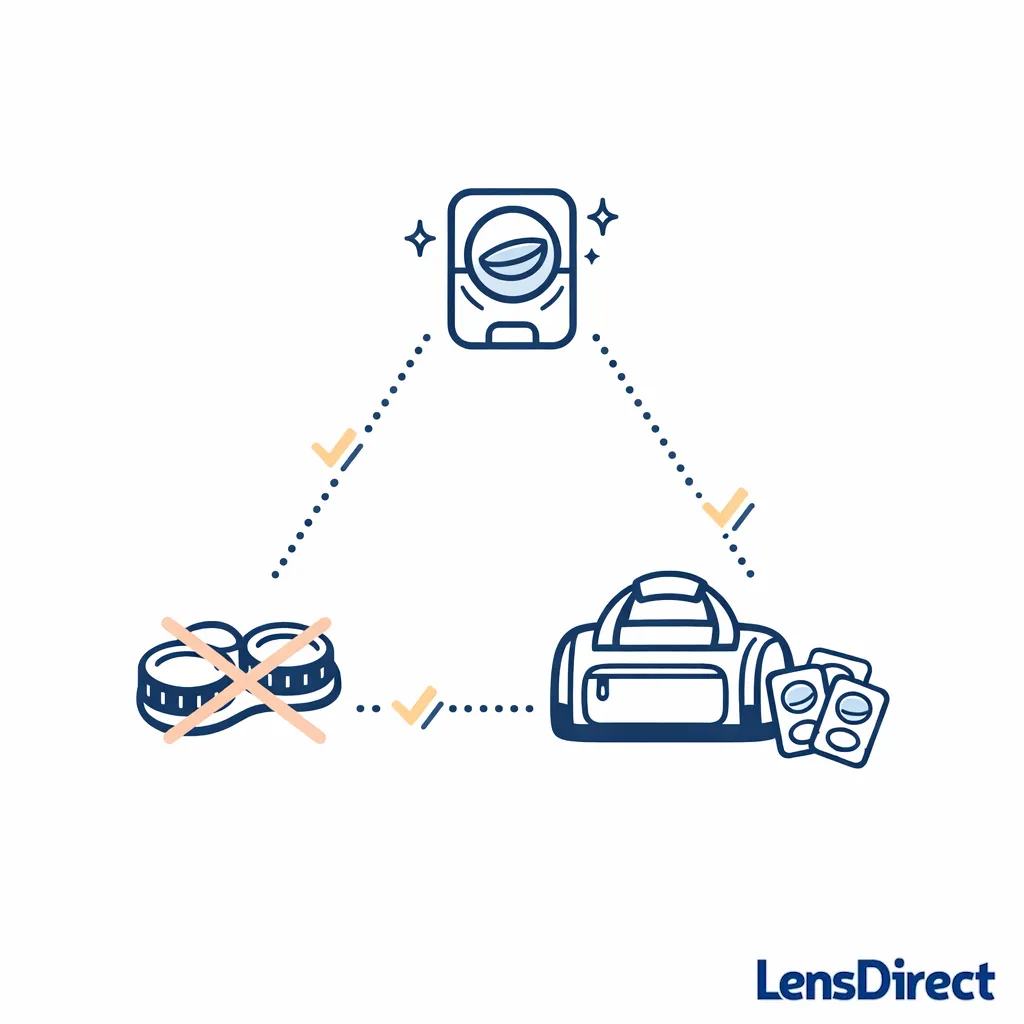
- A fresh lens every wear day, with no need to store and rewear the same pair.
- No regular cleaning solution or lens case for standard day-to-day use.
- Easy to pack as backup lenses for work, travel, or your gym bag.
- Helpful for inconsistent schedules because you can wear them only when you want to.
Cost, fragility, and waste tradeoffs
- If you wear contacts every day, daily lenses can feel pricier because you buy more individual lenses over the year.
- Some dailies are thin and flexible, which can feel great on the eye but be a little trickier to handle at first.
- You will throw away more packaging, which some shoppers see as a meaningful downside.
- Premium daily lenses can be worth it, but only if the comfort difference shows up in your real routine.
If you have been wondering about the downsides of daily contacts, that is the honest answer. They are convenient and often very easy to live with, but they are not automatically the cheapest option or the easiest for every first-time wearer to insert.
How long can you wear 1 day contact lenses?
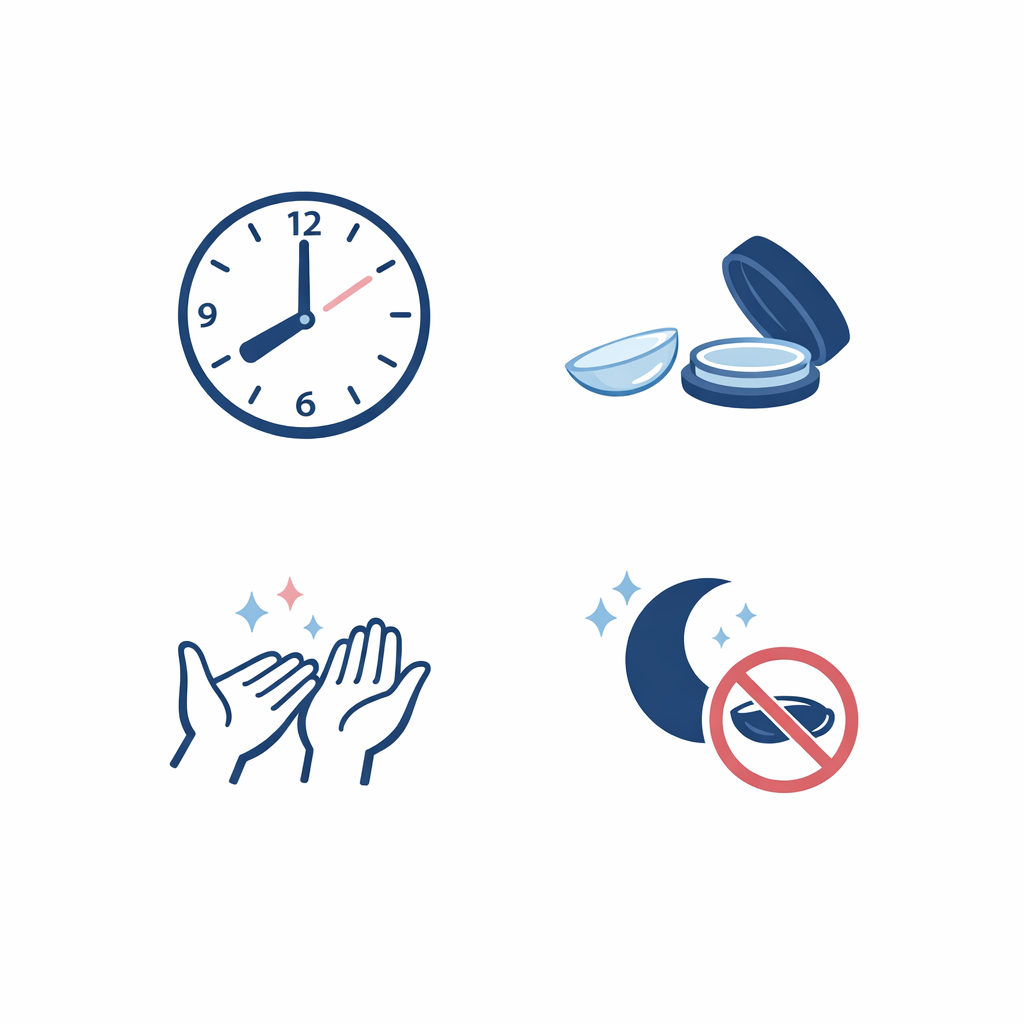
There is no one wear-time number that fits every eye. The safest rule is to follow the schedule from your prescriber and the manufacturer, because contact lens labeling and replacement instructions are part of how the device is meant to be used. If your lenses start to feel dry, gritty, or blurry before the day is over, remove them instead of forcing extra hours.
- Put them in with clean, dry hands.
- Use them for the day your doctor recommended.
- Take them out before any sleep or nap unless you were specifically prescribed otherwise.
- Discard them after removal, even if you only wore them briefly.
Can you reuse or sleep in daily contacts?
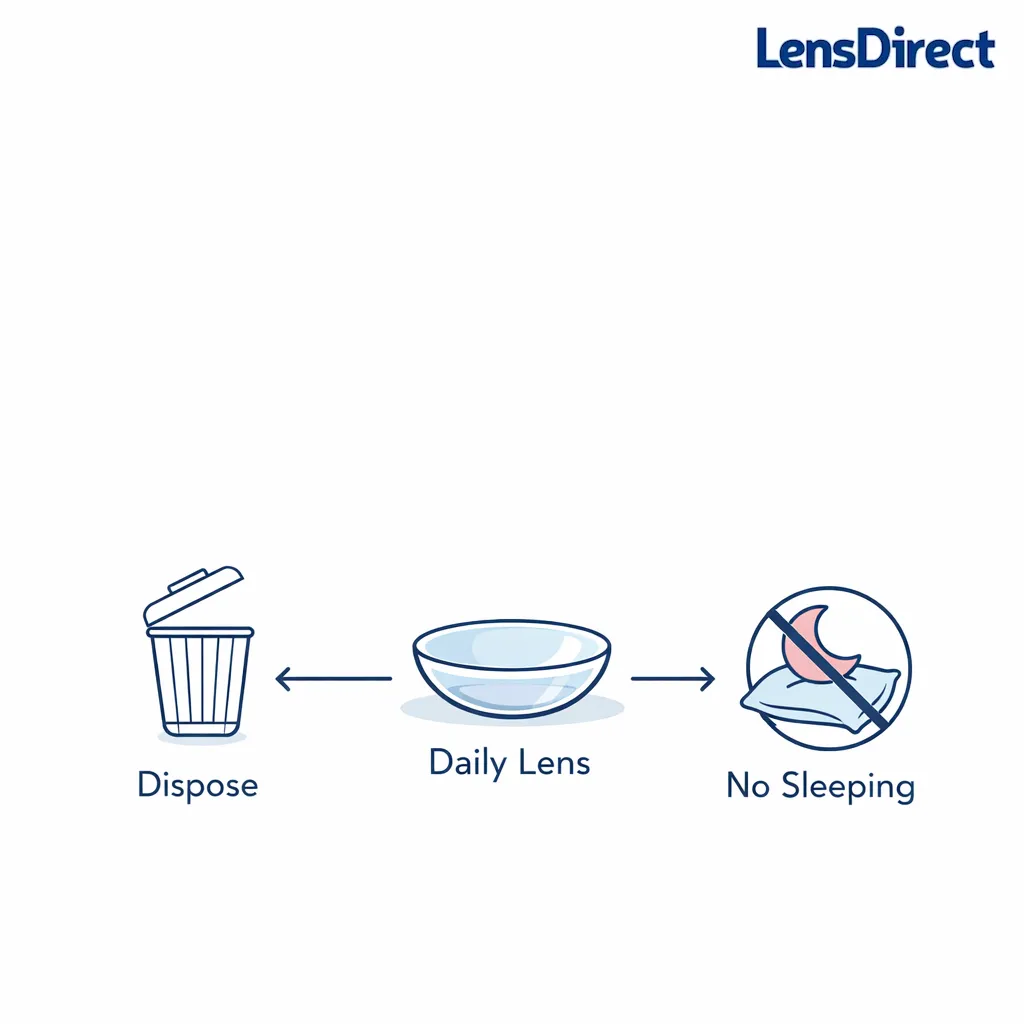
No. Daily disposables are meant for single use, and sleeping in contacts that are not prescribed for overnight wear is a known risk factor for complications. A daily lens does not become reusable because it still looks clear, because you only wore it for a few hours, or because you rinsed it off.
- Mistake: “I can take them out to shower and put them back in later.” Better rule: once a daily lens comes out, toss it.
- Mistake: “A quick nap is harmless.” Better rule: if sleep is likely, remove the lenses first.
- Mistake: “If my eyes feel fine, I can probably wear them again tomorrow.” Better rule: follow the replacement schedule exactly, not how the lens looks.
Best daily contacts by use case
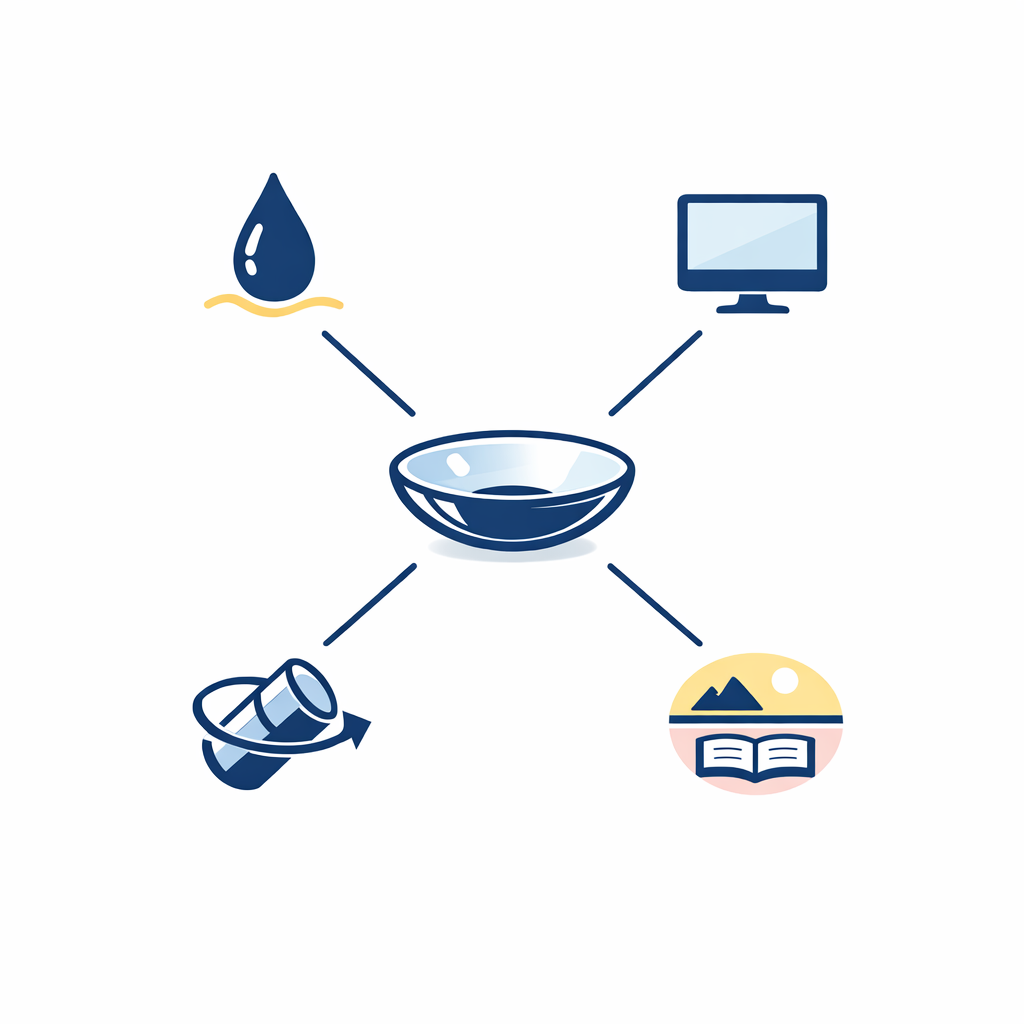
There is no single brand that wins for everyone. The best daily contacts are the ones that match your prescription, feel stable on your eyes, and still make sense for your budget after the trial period. Think of this as a decision guide, not a universal ranking.
Best for dry eyes

Ask your doctor which daily lenses are most promising for late-day comfort in your specific fit. Material choice, edge feel, and how the lens interacts with your tear film usually matter more than hype words on the box. If dryness is constant, ask whether you also need changes to wear time, screen habits, or lubricating drops.
Best for heavy screen users
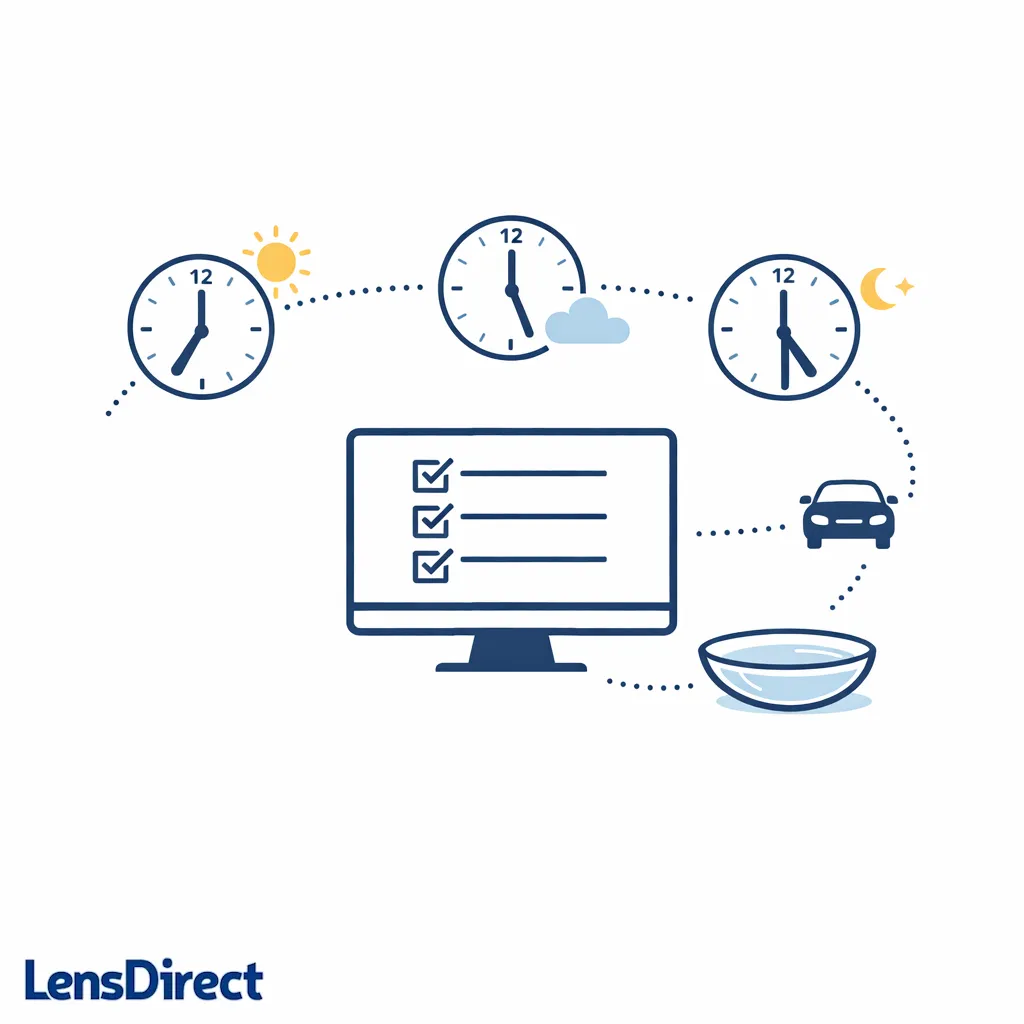
Look for a daily lens you can comfortably ignore while working, not one that only feels good for the first hour. If your job involves long focus stretches, ask for a trial that gets you through a normal workday and commute. A lens that costs a little more but stays comfortable at 5 p.m. may be the better value.
Best value option
The best value is usually not the cheapest box on day one. It is the lens that fits well, sees clearly, and can be bought in a larger supply once you know it works. Many shoppers start with a smaller box when switching brands, then move to a 90-pack after comfort, vision, and handling are proven.
Best for astigmatism
If your prescription includes astigmatism, ask specifically about daily toric lenses, which are designed to correct that type of blur. Stability matters as much as the brand name. A lens that rotates too much when you blink can be less useful than a simpler option that stays consistent.
Best for multifocal needs
If you need help at distance and near, ask about daily multifocal lenses, which are designed to support more than one viewing distance. The fitting process matters here. It can take some fine-tuning to balance crisp distance vision with comfortable phone and reading vision, so a short trial-and-adjust period is normal.

Daily contact lenses cost and box sizes
Daily contact lens cost depends on how often you wear them, whether you need a standard, toric, or multifocal design, and whether you buy a smaller test supply or a larger box. For a new brand, smaller packs make sense because they limit the cost of a bad match. Once the fit is confirmed, larger boxes usually make the routine easier and the per-lens math more attractive.
30-pack vs 90-pack supply math
A 30-pack is best thought of as a shorter supply and a lower-risk purchase. A 90-pack is usually the better value when you already know the lens works for your eyes and schedule. If you wear contacts only on certain days, though, a smaller pack may be smarter because you are not tying up money in extra boxes.
What affects annual cost
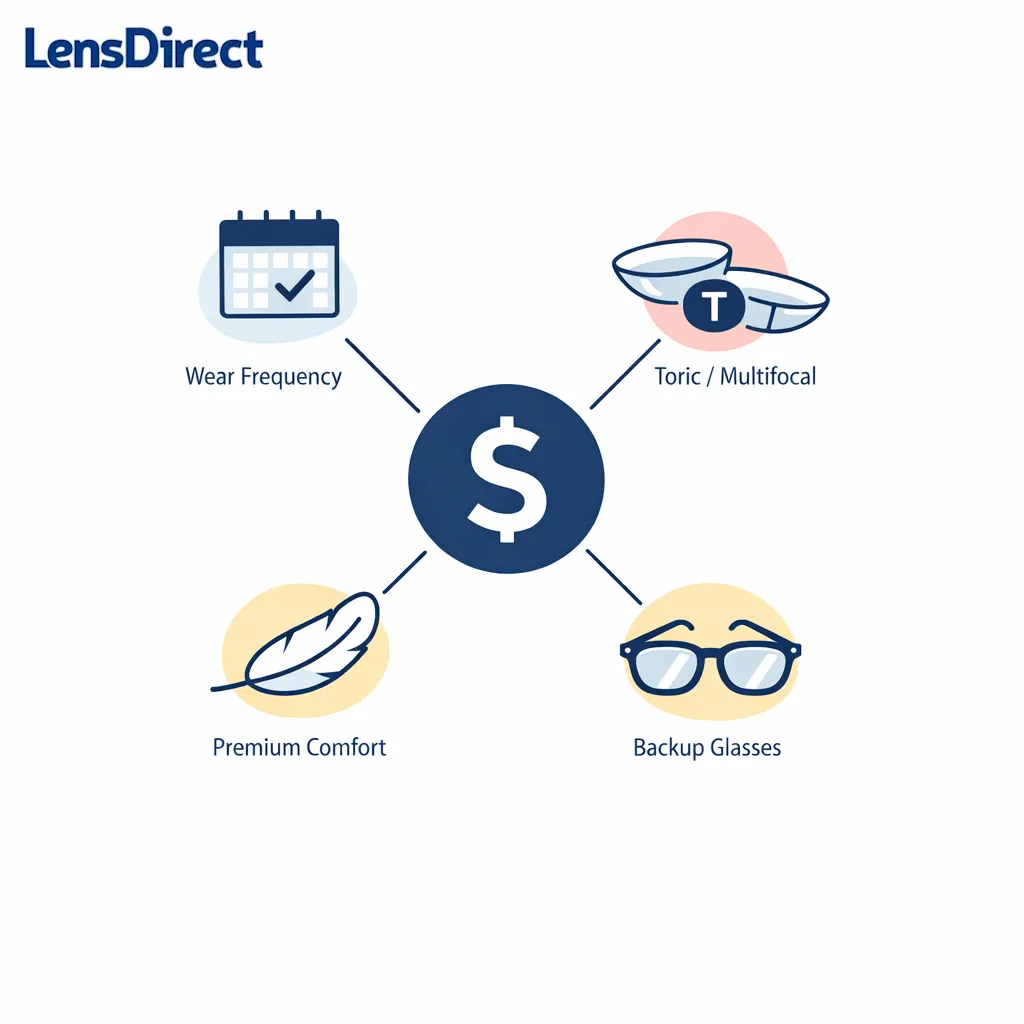
- How many days each week you actually wear contacts
- Whether you need toric or multifocal parameters
- Whether you choose a premium comfort-focused lens
- How often you rely on backup glasses instead of forcing a lens day
- Insurance reimbursement information, plus FSA or HSA use if available through your plan
How to choose the right daily lens with your eye doctor
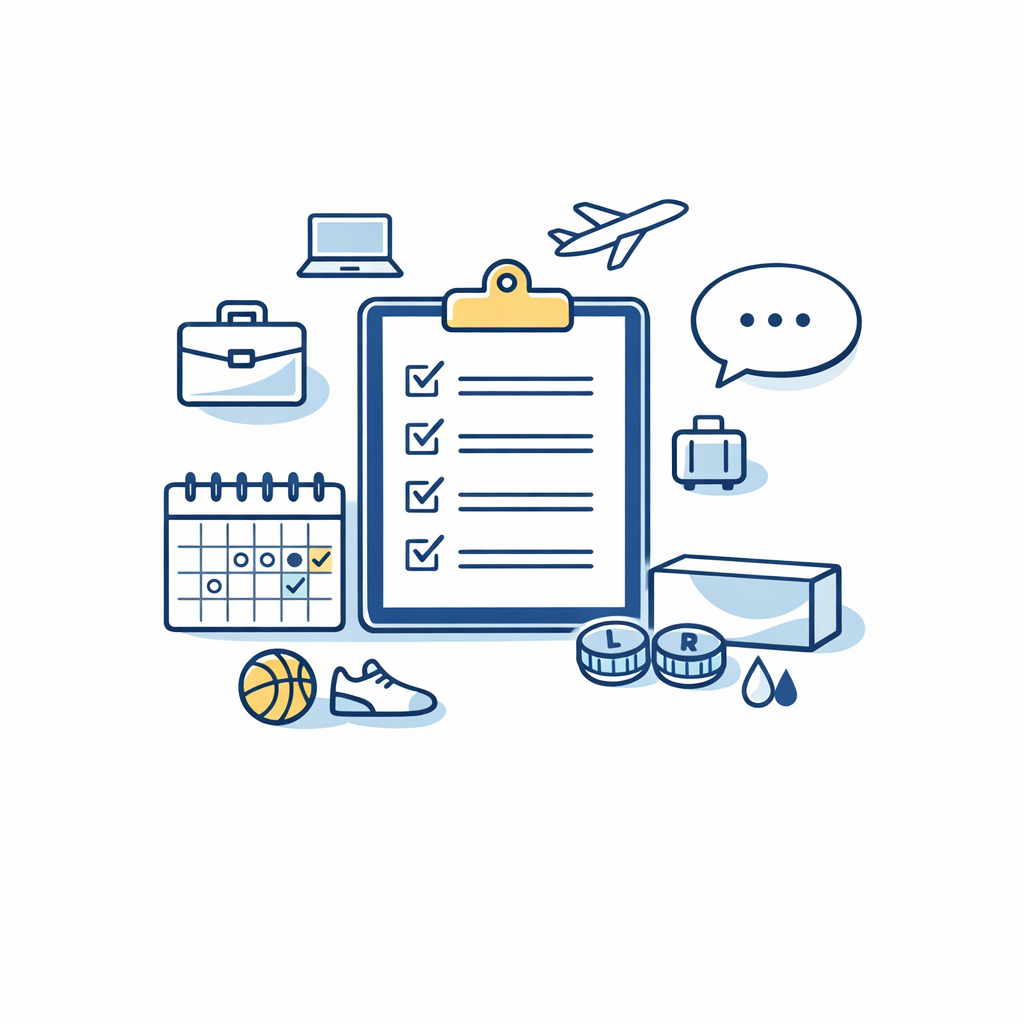
Go into your exam with your real routine, not your ideal routine. Say whether you work long screen days, travel often, wear contacts mostly for sports, or tend to get dry toward evening. The more specific you are, the easier it is for your doctor to suggest a 1 day contact lens that fits your life instead of just your prescription numbers.
- Bring your current lens box or your last order details.
- Describe when discomfort starts, not just that discomfort exists.
- Ask whether your prescription has strong daily options if you need astigmatism correction or multifocal help.
- Ask what to do if a lens tears, rotates, or feels wrong halfway through the day.
- Keep updated glasses as a backup so you never feel tempted to over-wear a lens.
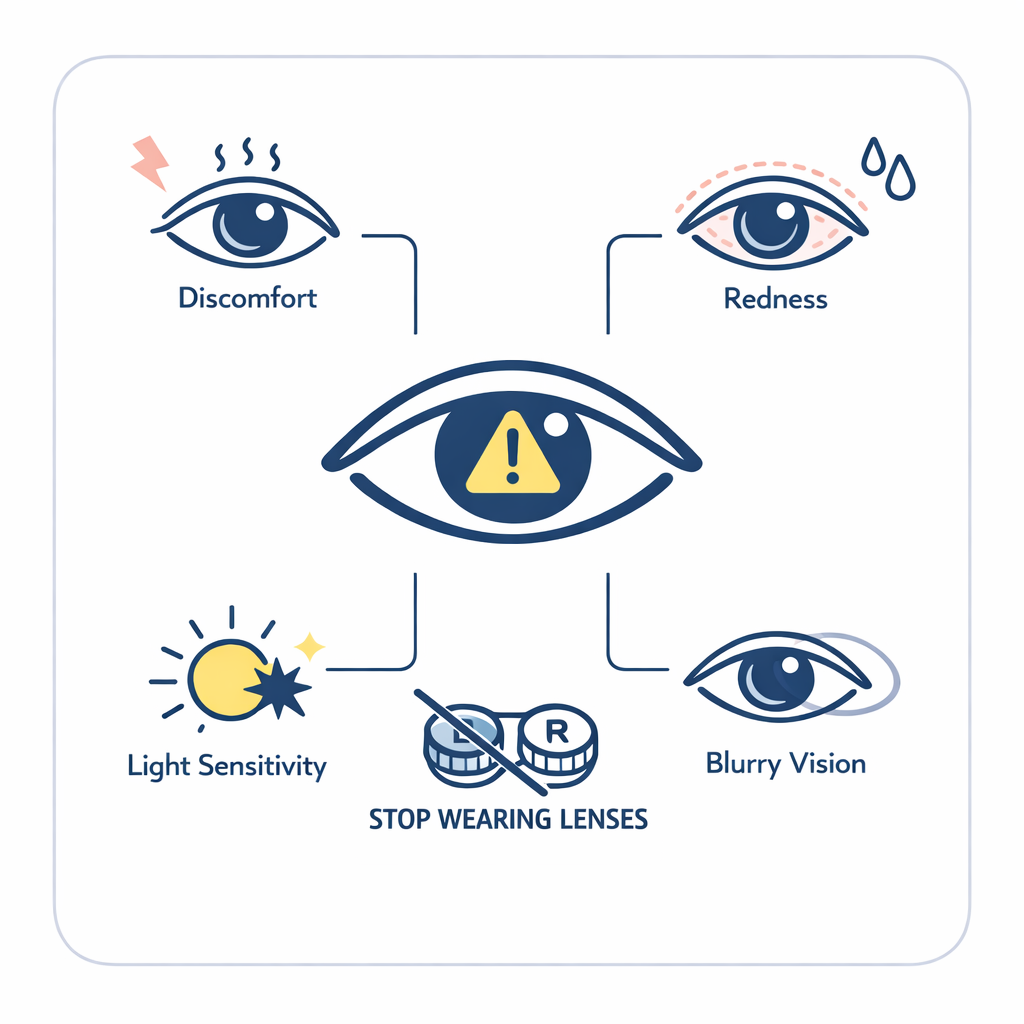
If you get pain, persistent redness, light sensitivity, or sudden blurry vision, stop wearing the lens and contact your eye-care professional promptly. Daily contacts are convenient, but safety still comes first.
Where to buy daily contacts online with a valid prescription
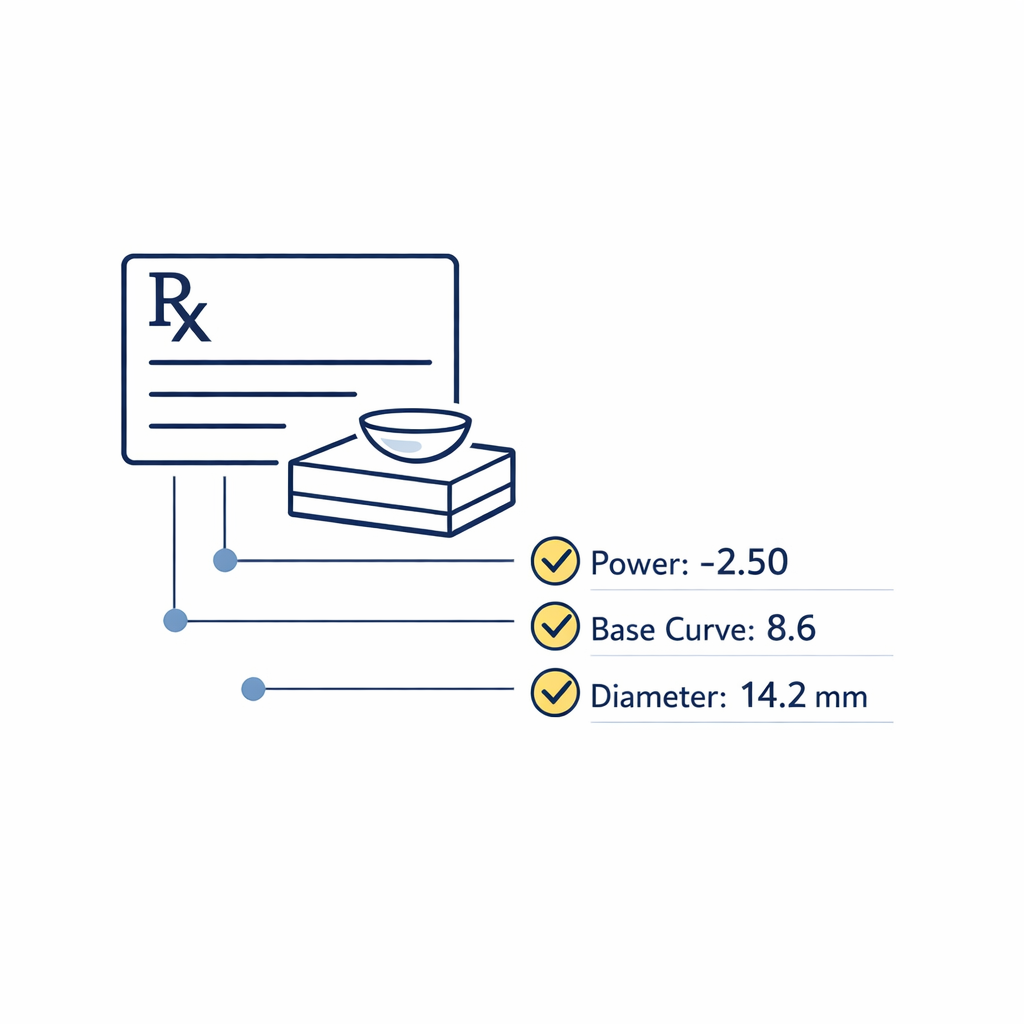
Buying daily contact lenses online is straightforward as long as you start with the exact prescription and brand your doctor approved. In the United States, the FTC’s Contact Lens Rule requires sellers to verify a valid prescription before shipping contact lenses, so have your prescription details ready and match the brand, power, base curve, and diameter carefully.
When you shop, think about your wear pattern before you think about marketing language. If you are testing a new brand, buy conservatively. If it is already your proven lens, buying a longer supply is usually the smoother move.
Make your next order fit your routine
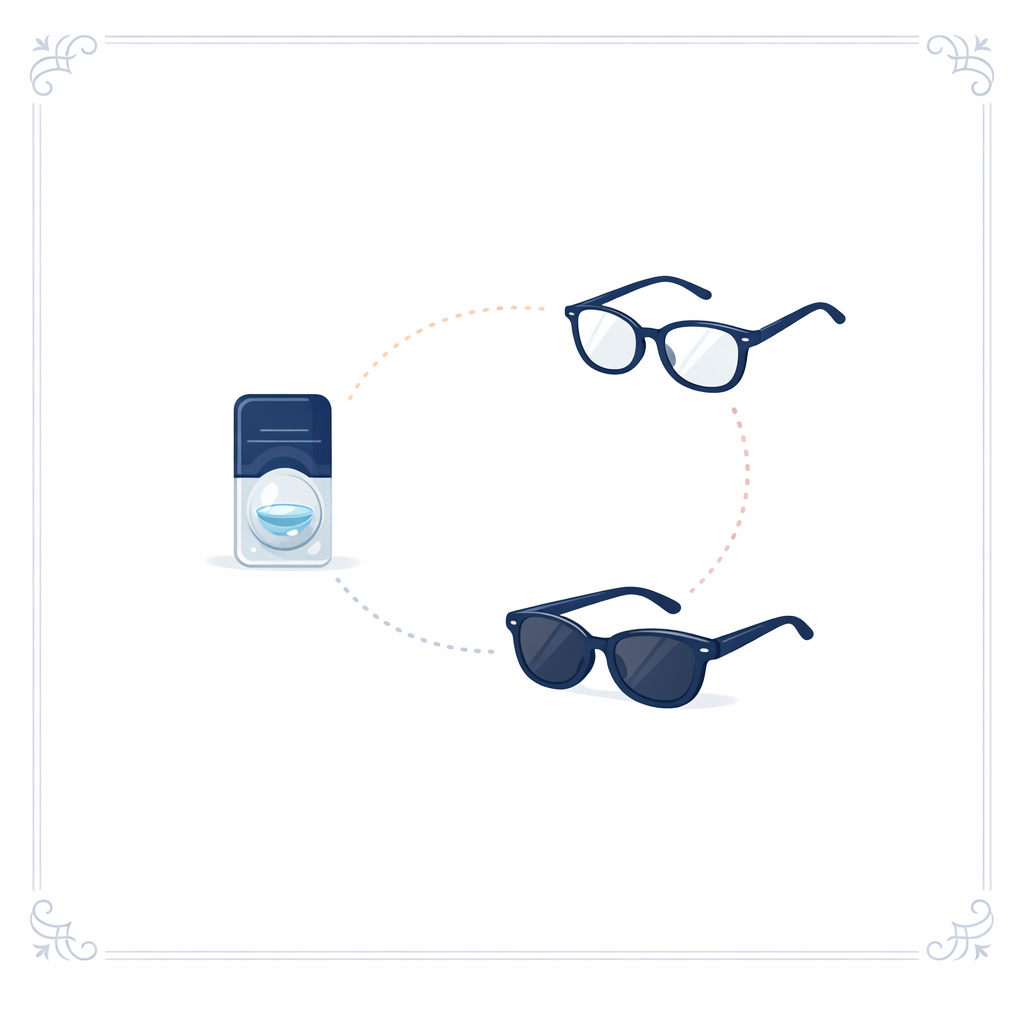
If you already know your prescription and you are ready to compare daily lenses, LensDirect makes it easy to Shop Contacts. If you split time between contacts and frames, you can also Shop Glasses or Shop Sunglasses so you always have a backup that suits work, travel, and outdoor plans.
If your frames still fit but your optics need an update, you can Replace Your Lenses with either Full-Service Replacement or Order Replacement Lenses. And if you want extra help before you buy, use LensDirect to Find Your Fit, Learn How to Get Reimbursed by Your Insurance, or Learn How to Measure Your Pupillary Distance.
Author

Subscribe to our email newsletter to get the latest posts delivered right to your email.