
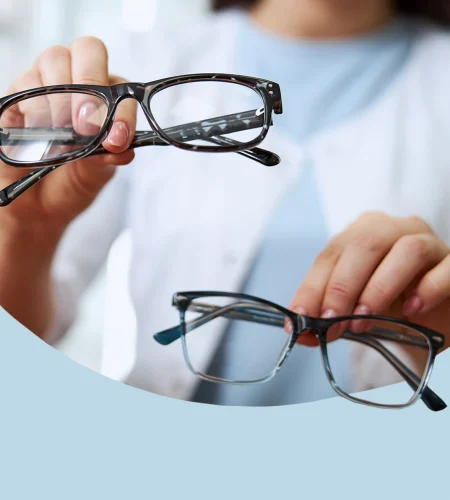
For decades, eyewear was treated as a single, all-purpose tool. You got an eye exam, picked a frame you liked, added lenses, and wore the same pair everywhere — at work, at home, on vacation, and sometimes even during exercise. That approach made sense when daily routines were simpler and visual demands were relatively consistent.
In 2026, that model no longer fits how people live.
Modern life asks our eyes to perform wildly different tasks across a single day.
We shift from laptops to phones, from indoor lighting to bright outdoor environments, from focused desk work to movement-heavy activities.
These changes have created what many eye care professionals and consumers now recognize as hybrid vision needs.
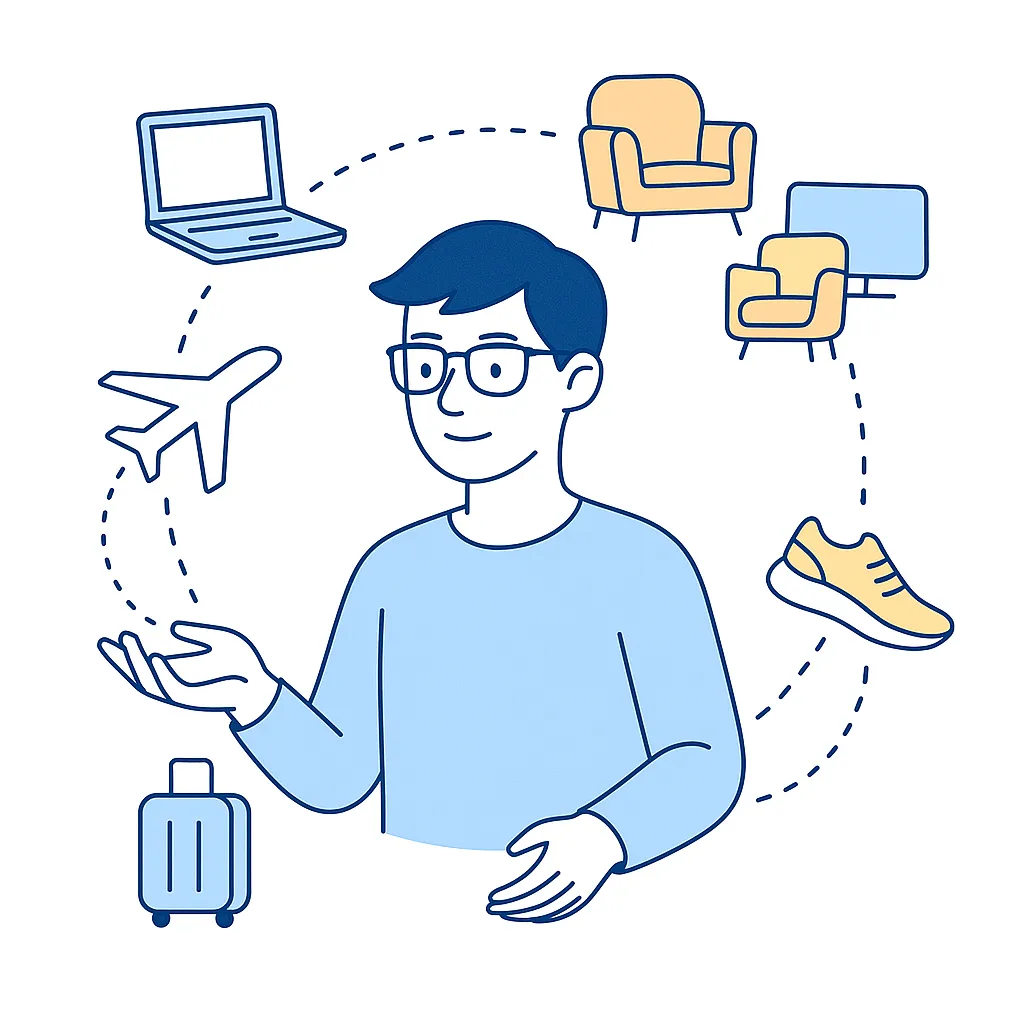
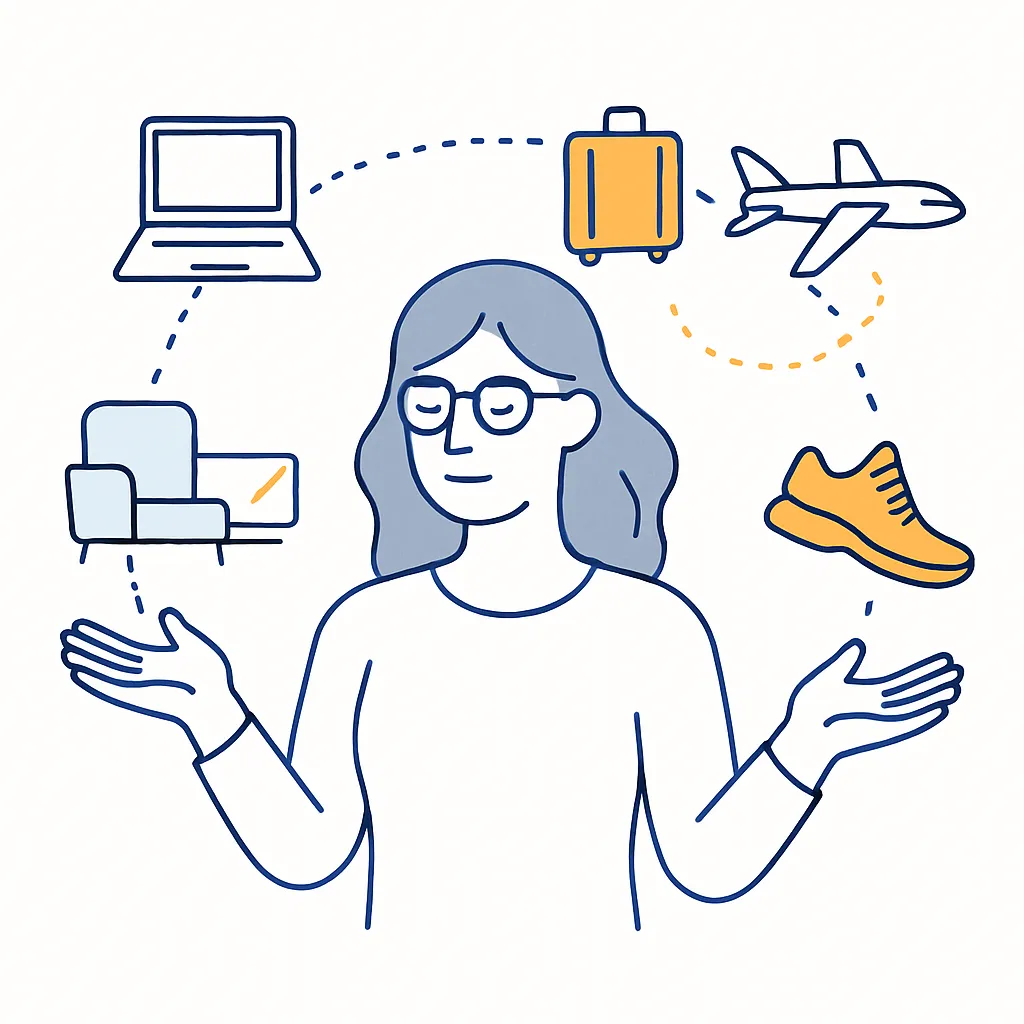
Hybrid vision needs describe a lifestyle reality: no single pair of glasses can comfortably handle every visual scenario anymore. Instead, people are building small, intentional eyewear setups — each pair designed for a specific context.
This shift is not about excess or fashion experimentation. It is about comfort, clarity, and reducing unnecessary eye strain. Consumers are adapting not because they want more glasses, but because their eyes need different support at different times.
Understanding Hybrid Vision Needs
Hybrid vision needs emerge when one person requires multiple visual optimizations across their routine. This might include different focal distances, lighting conditions, screen exposure levels, or physical activity demands.
In earlier decades, compromises were accepted:
Glasses might work well at a desk but feel uncomfortable outside.
Sunglasses might protect from glare but distort digital screens.
Sports glasses might be durable but impractical for everyday wear.
Today’s consumers are less willing to tolerate these compromises. They expect eyewear to adapt to them — not the other way around.
Hybrid vision needs are shaped by several overlapping forces:
- Increased screen exposure across work and leisure
- More flexible work environments and travel
- Higher awareness of eye strain and visual fatigue
- Advances in lens technology that make specialization affordable
Rather than asking “Which glasses should I buy?”, many people now ask, “Which glasses do I need for this part of my day?”
Hybrid Vision at Work
Work environments are one of the clearest drivers of multiple eyewear needs. Even within a single job, visual demands can change hour by hour.
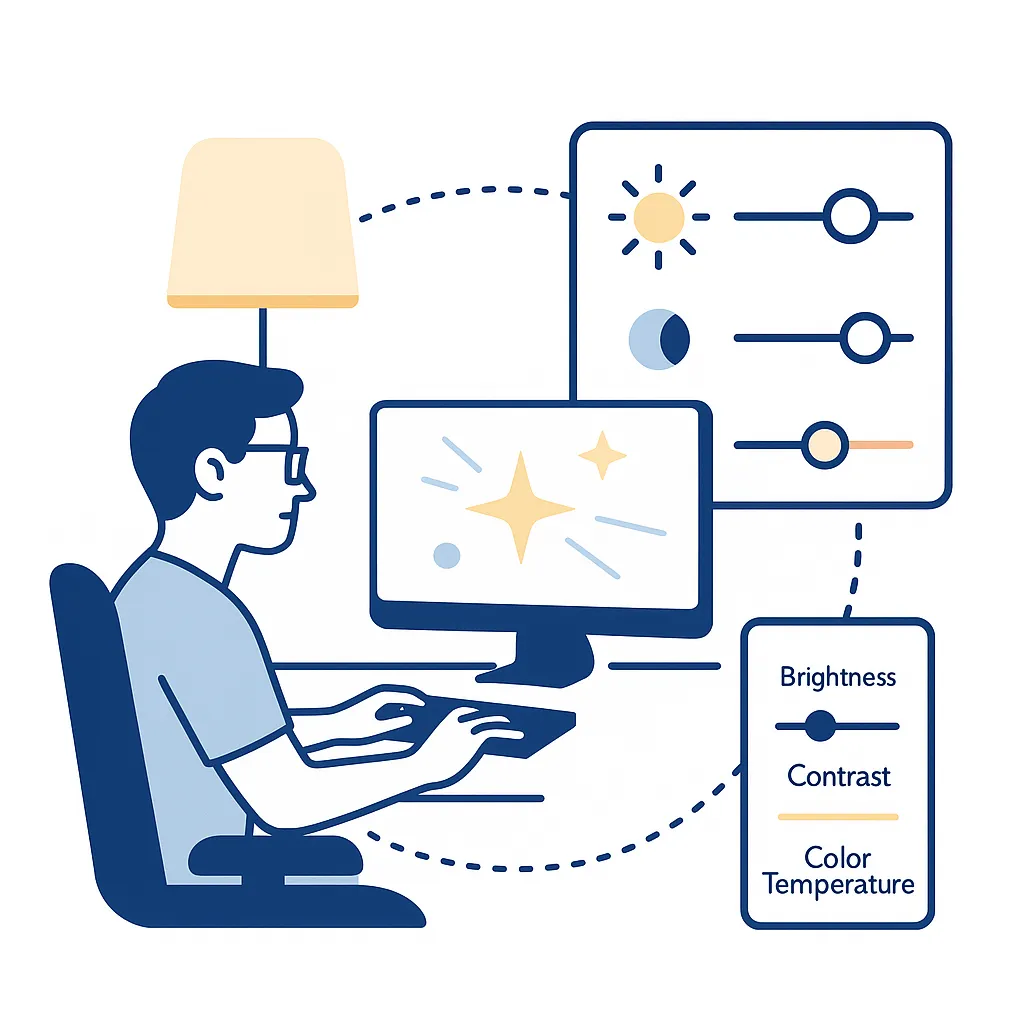
Many professionals alternate between close-up screen work, video meetings, printed materials, and collaborative in-person tasks.
One static prescription often struggles to keep up with these transitions.
Screen-Focused Work
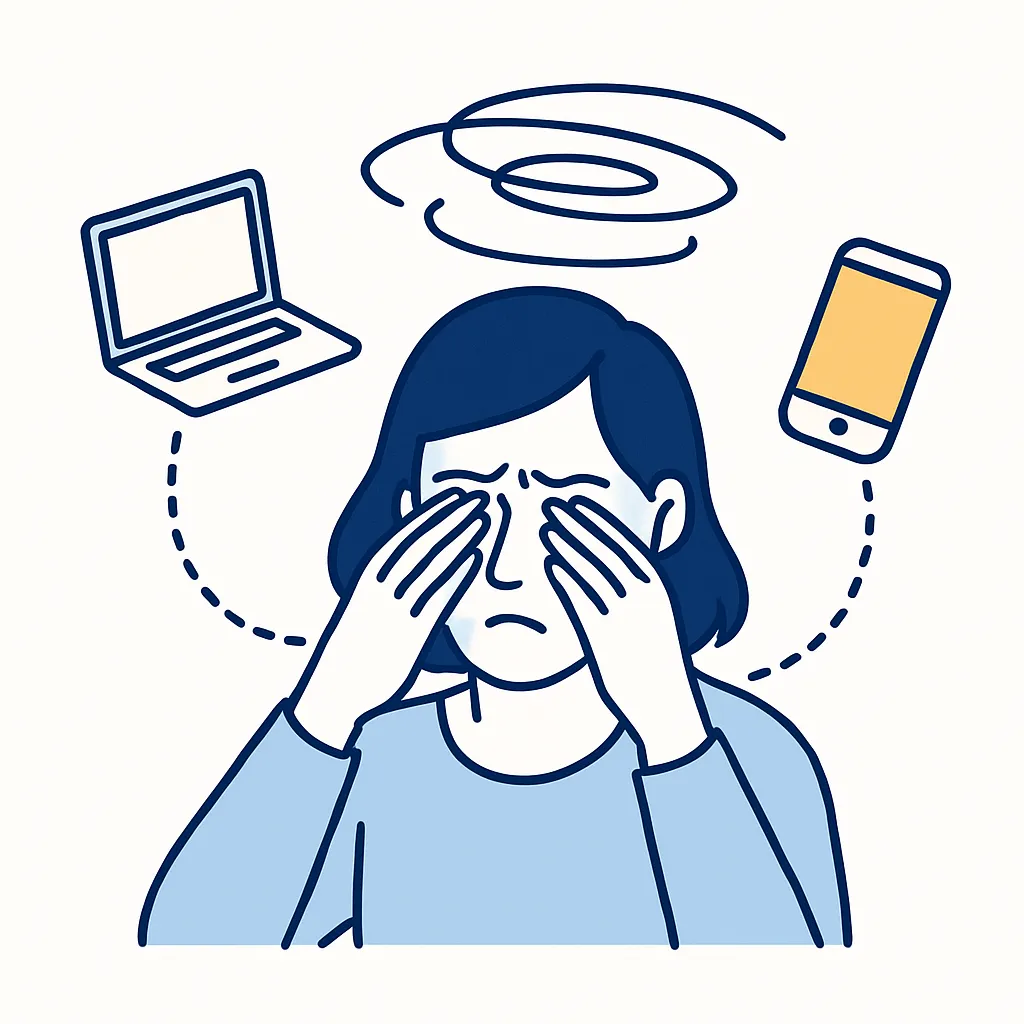
Extended screen time places unique demands on the eyes. Blue light exposure, fixed focal distance, and reduced blink rates all contribute to discomfort.
Many people now rely on glasses specifically optimized for screen use. These typically emphasize:
- Intermediate focal clarity
- Reduced eye strain during long sessions
- Enhanced comfort under artificial lighting
These glasses may feel ideal at a desk but less effective when moving around or switching to distance viewing.
Meetings and In-Person Interaction
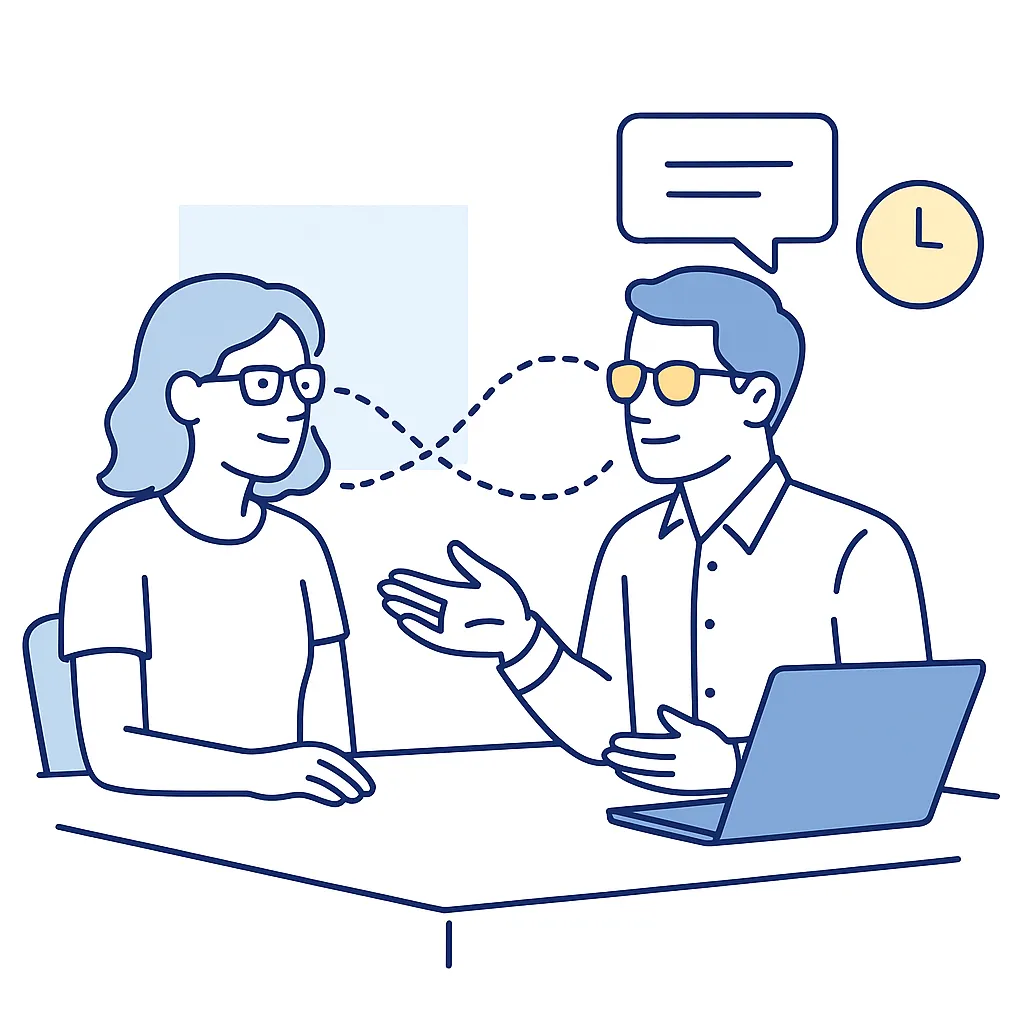
In-office meetings or collaborative spaces require clearer mid-to-distance vision.
Wearing screen-optimized glasses during these moments can feel limiting or disorienting.
As a result, some professionals keep a second pair better suited for room-scale interaction, presentations, and movement.
Remote and Hybrid Work Shifts
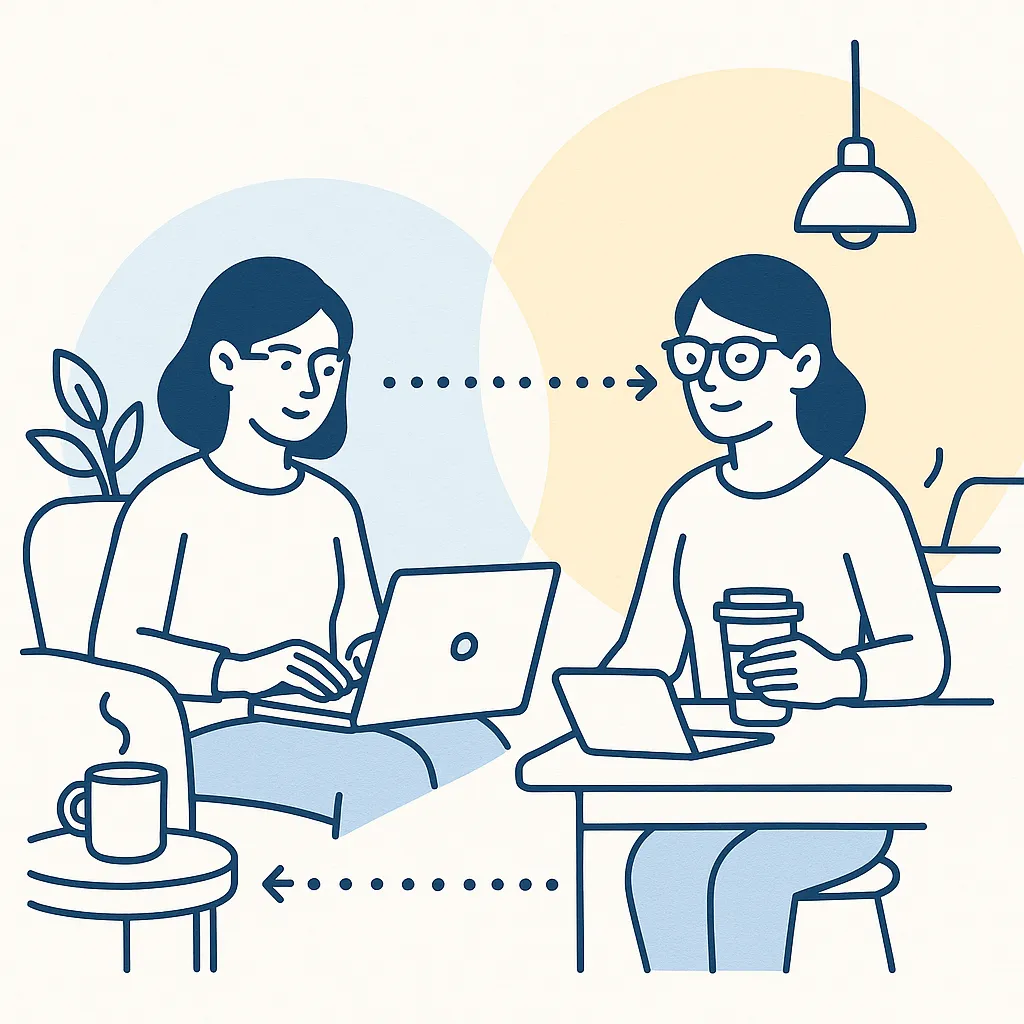
Hybrid work schedules add complexity. One day might involve commuting, another working entirely from home.
Lighting conditions, desk setups, and viewing distances vary widely.
Rather than constantly adjusting posture or screen height to accommodate one pair of glasses, many people choose eyewear that matches their environment instead.

Hybrid Vision for Leisure and Home Life
At home, visual demands tend to be more relaxed — but not necessarily simpler. Leisure activities often involve a mix of screens, reading, and casual movement.
What feels comfortable during work hours may not feel right during downtime.
Reading and Relaxation
Reading for pleasure, whether from books, tablets, or e-readers, benefits from lenses optimized for close-range clarity and comfort.

Some people prefer lightweight frames or slightly adjusted prescriptions that reduce tension during long reading sessions.
These glasses may be worn only in the evening or during quiet moments.
Entertainment and Screens
Television viewing, gaming, and casual device use introduce different visual distances and lighting conditions.
Bright screens in dim rooms can create glare and fatigue if lenses are not well suited to the environment.
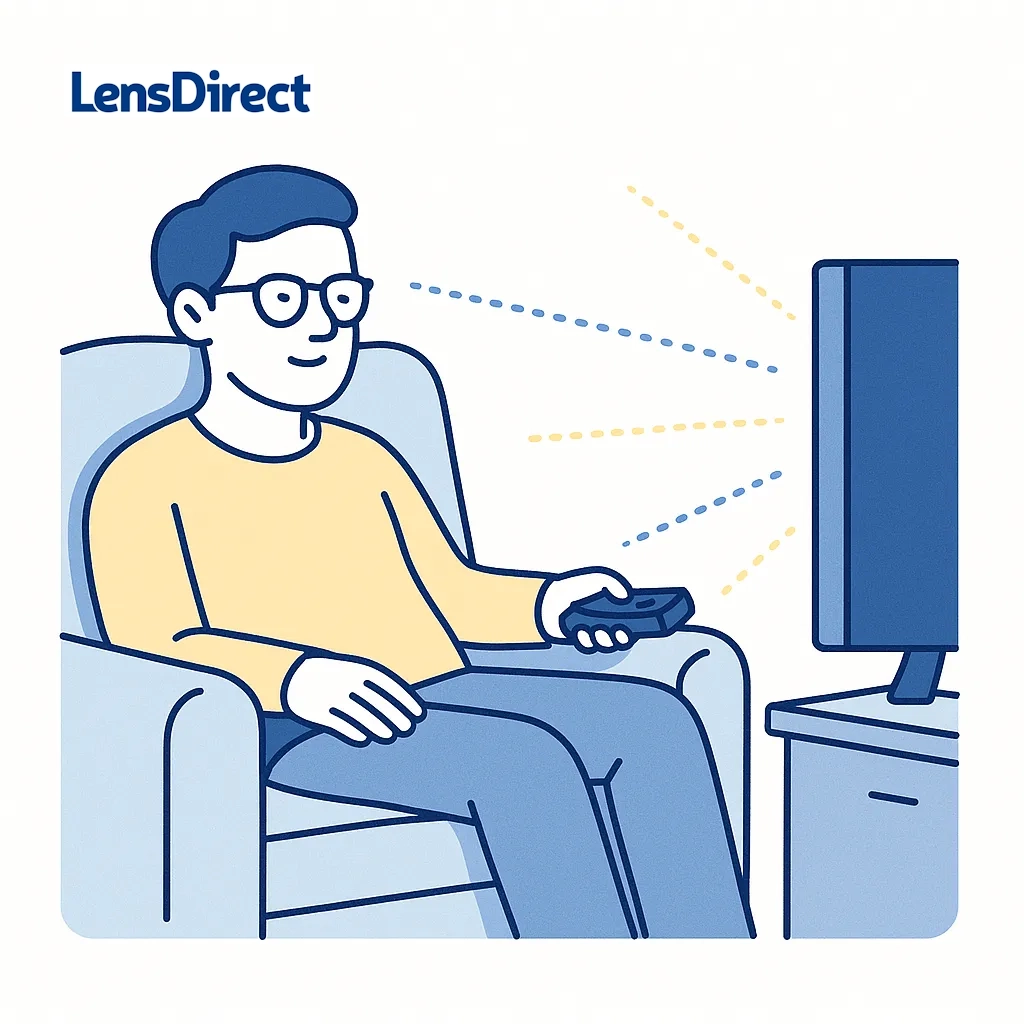
Rather than forcing work glasses to perform double duty, many consumers designate a pair specifically for home entertainment.
Visual Comfort as a Lifestyle Choice
Leisure time is increasingly viewed as recovery time — not just mentally, but visually.

Wearing eyewear that feels effortless supports relaxation and reduces the cumulative strain built up during the day.
Hybrid Vision While Traveling
Travel introduces some of the most dramatic visual shifts in short periods of time. Airports, cars, hotels, and outdoor environments all place different demands on the eyes.
A single pair of glasses rarely performs well across all of these contexts.
Navigating Changing Light Conditions
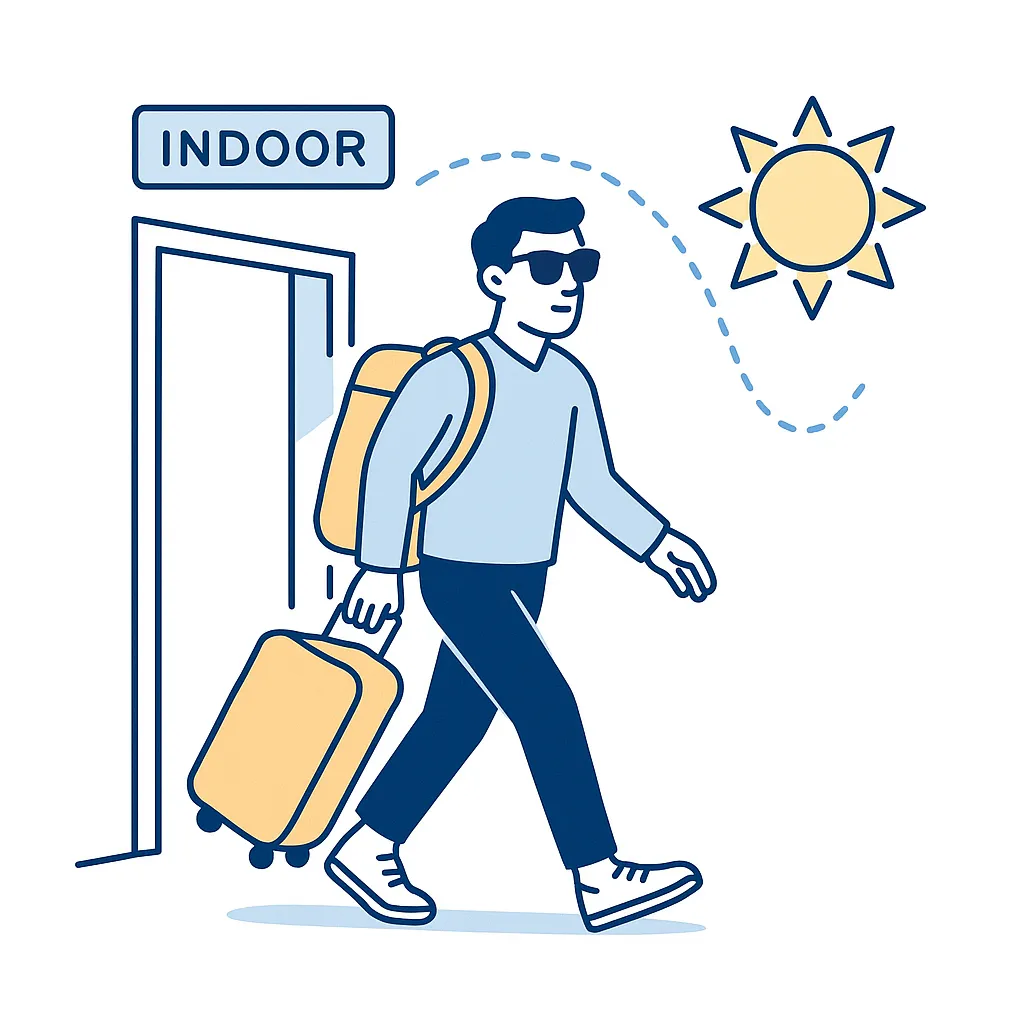
Travel often means moving quickly between bright sunlight and indoor spaces. Glare, reflections, and sudden lighting changes can be uncomfortable or even unsafe.
Many travelers rely on separate eyewear for outdoor navigation, especially in unfamiliar locations where visual clarity matters more.
Driving and Navigation
Driving requires crisp distance vision and reduced glare, particularly during early morning or evening hours.
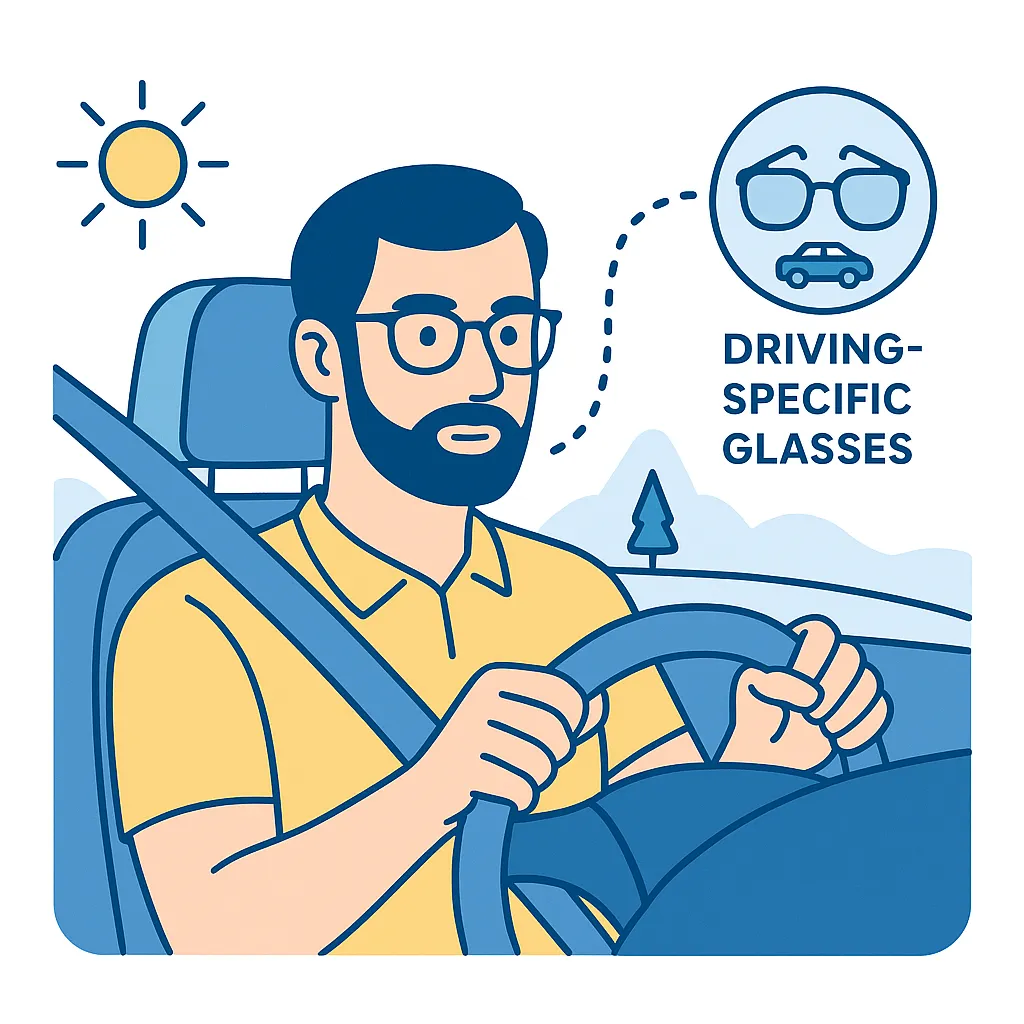
Glasses optimized for reading or screen use may not provide the necessary clarity or comfort.
Having a pair dedicated to driving reduces eye fatigue and improves confidence on the road.
Portability and Backup Needs
Travel also increases the risk of lost or damaged glasses. Carrying a second or third pair ensures continuity and reduces stress if something goes wrong.
What once felt redundant now feels practical.
Hybrid Vision for Active Use
Active lifestyles place physical demands on eyewear that everyday frames are not always designed to handle.
Running, cycling, gym workouts, and outdoor recreation require stability, durability, and visual clarity during movement.
Movement and Stability
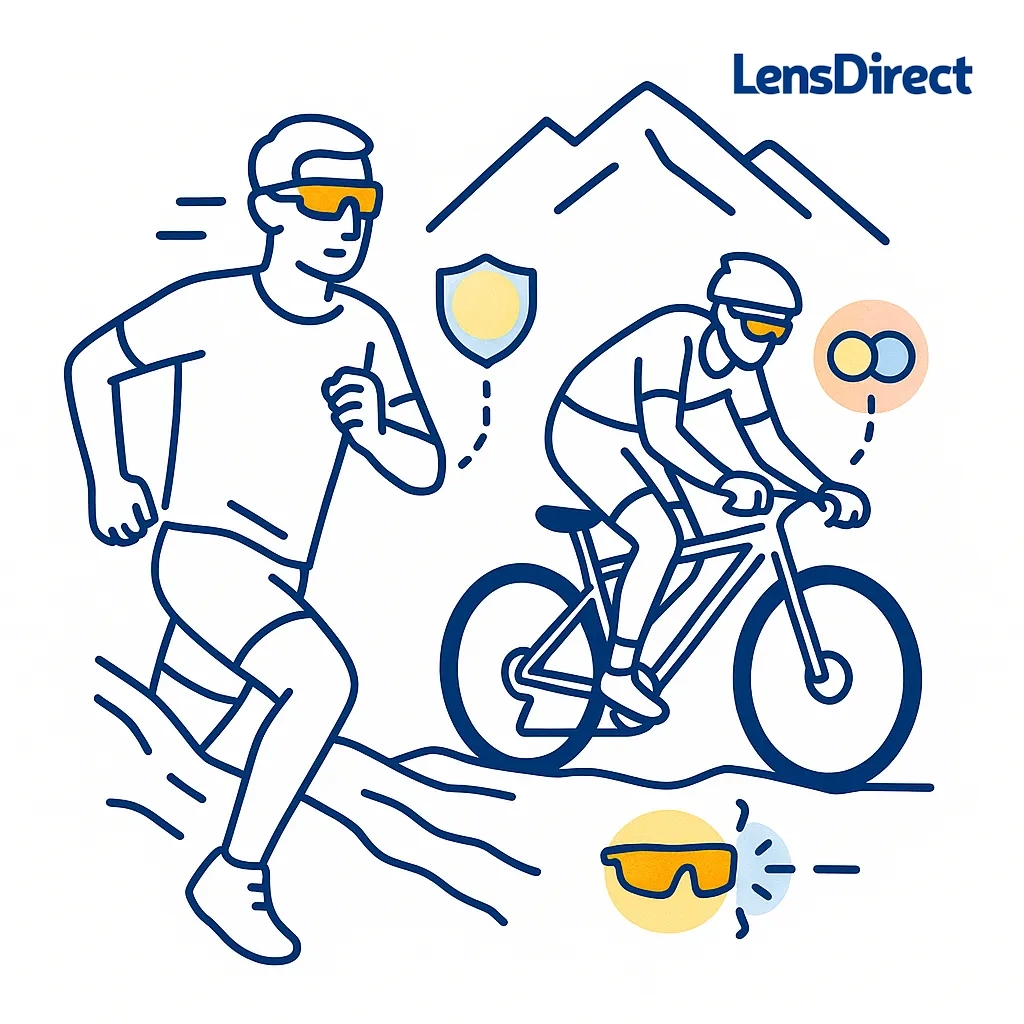
Glasses worn during physical activity must stay in place. Slipping frames or shifting lenses can be distracting or dangerous.
As a result, many people choose eyewear specifically designed for movement — even if they would never wear those glasses in casual settings.
Environmental Exposure
Sweat, dust, wind, and changing light conditions all affect how glasses perform during activity.
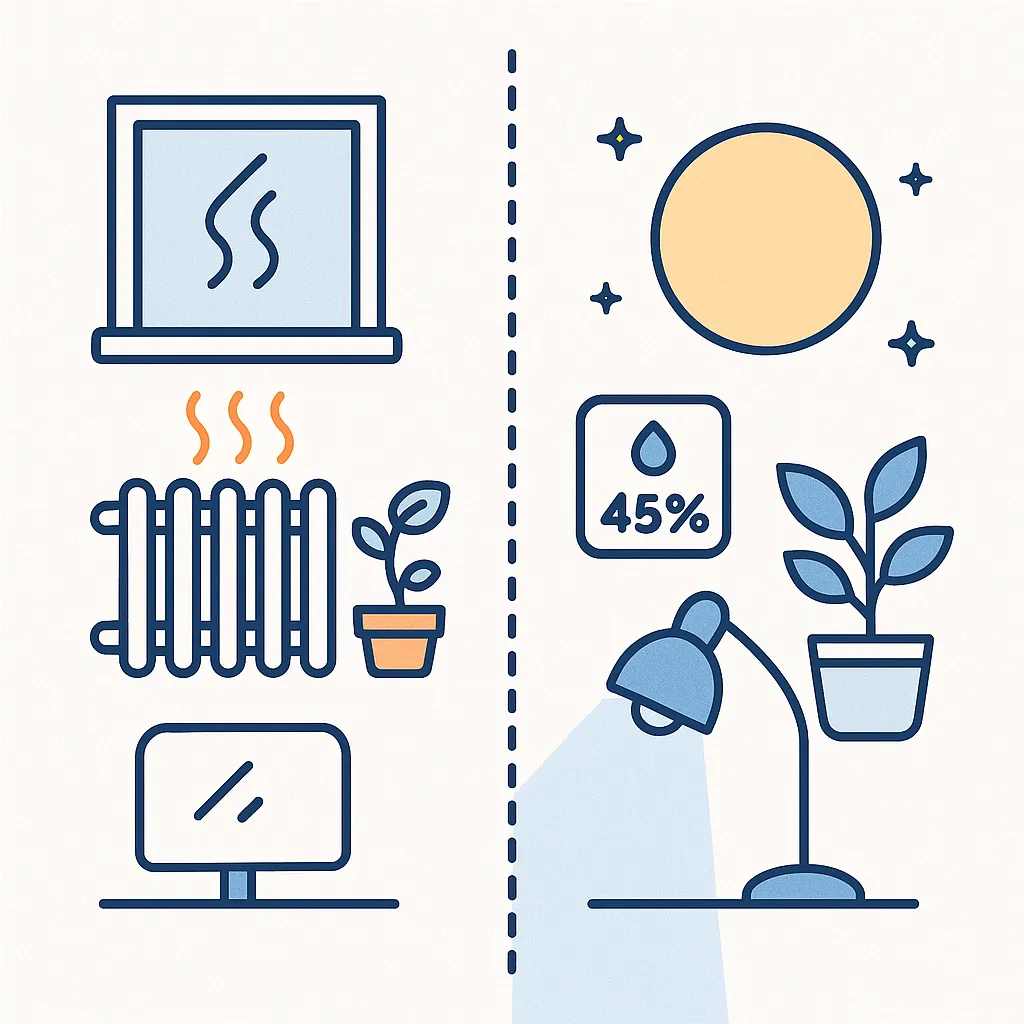
Lenses that work well indoors may fog or reflect glare outdoors.
Active-use glasses often prioritize functionality over versatility, which is exactly why they work so well in their intended context.
Separating Performance from Daily Wear
Rather than forcing one pair of glasses to survive every activity, people increasingly separate performance needs from daily wear. This approach protects primary eyewear and improves comfort during exercise.
Why One Pair No Longer Works
The idea of a single “do-it-all” pair of glasses assumes visual needs remain consistent. In reality, modern life is fragmented.
Each context — work, home, travel, activity — introduces different demands related to:
- Distance and focal range
- Lighting conditions
- Screen exposure
- Movement and stability
- Duration of use
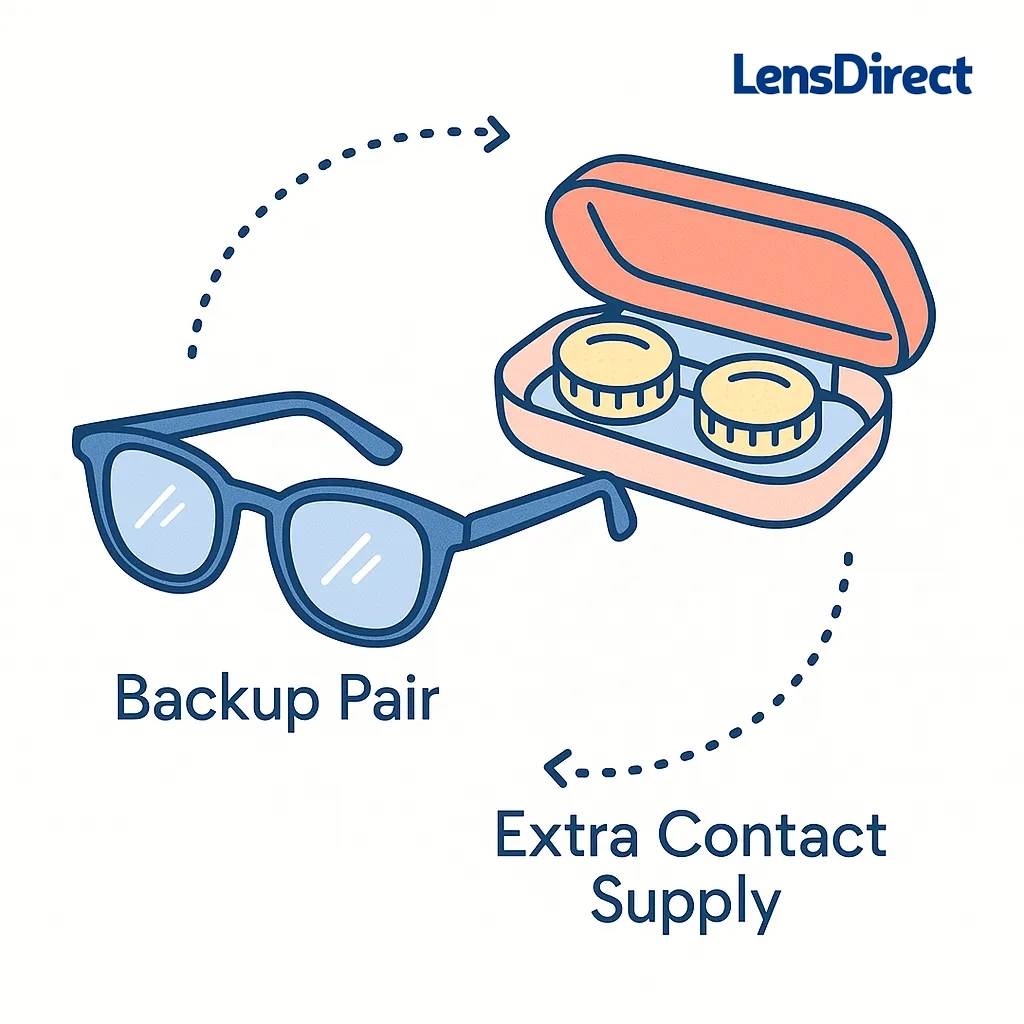
When one pair tries to meet all these needs, it often ends up excelling at none of them.
Multiple eyewear solutions allow each pair to do its job well without compromise.
Decision-Making Checklist: Do You Need More Than One Pair?
If you are unsure whether hybrid vision solutions make sense for you, consider the following checklist:
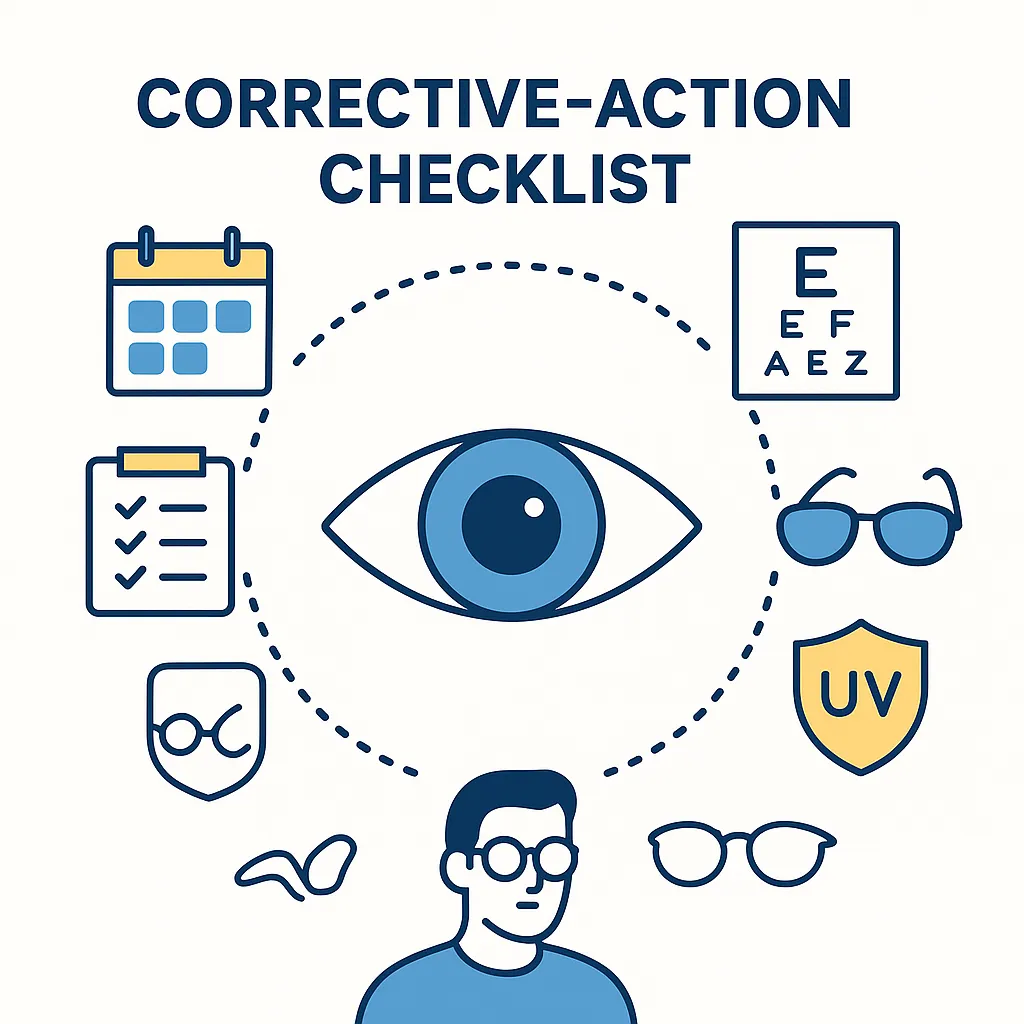
- Do you spend more than six hours a day looking at screens?
- Do your eyes feel tired or strained by the end of the day?
- Do your glasses feel comfortable in some settings but not others?
- Do you frequently move between indoor and outdoor environments?
- Do you participate in physical activities that make glasses uncomfortable?
- Do you travel regularly for work or leisure?
- Do you find yourself taking glasses off or adjusting them often?
If you answered yes to several of these questions, your vision needs are likely hybrid already — even if your eyewear setup has not caught up yet.
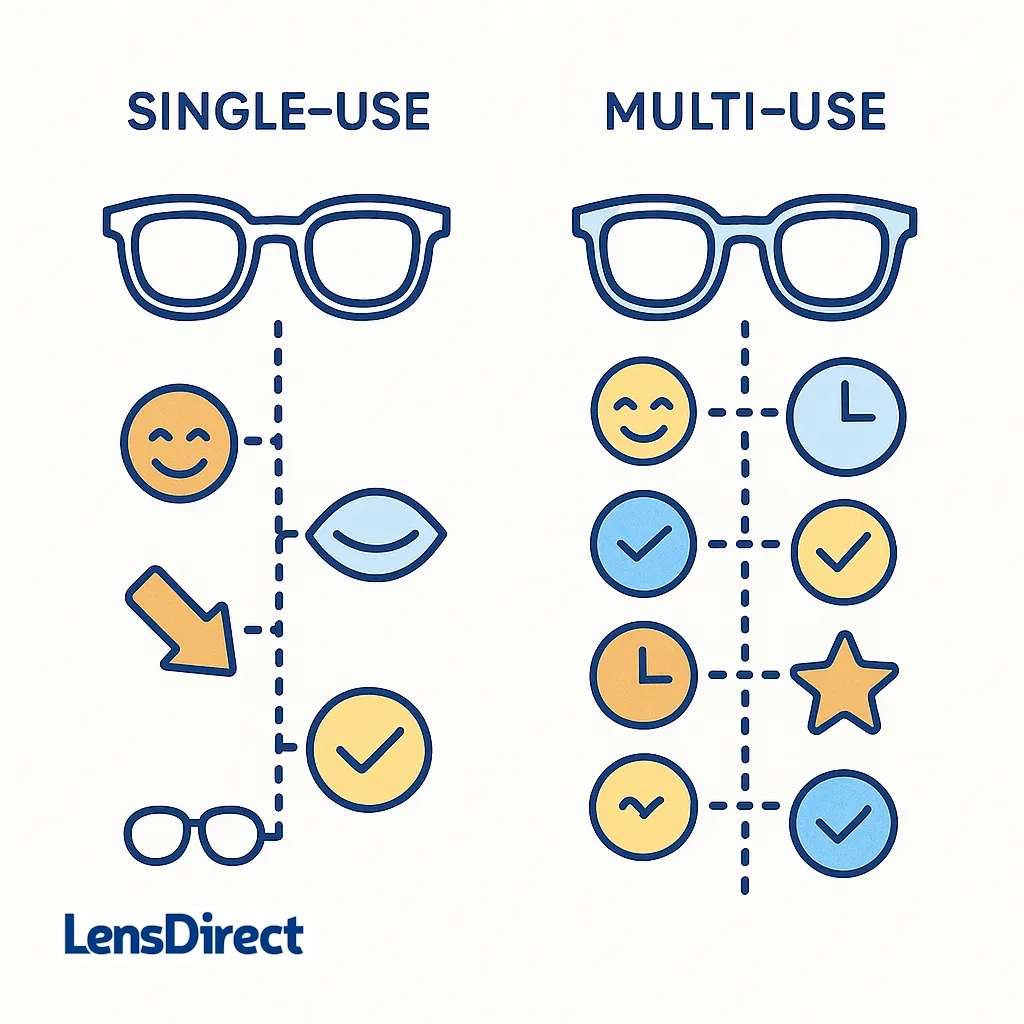
Single-Use vs Multi-Use Eyewear Setups
| Feature | Single-Use Eyewear Setup | Multi-Use Eyewear Setup |
| Visual comfort | Inconsistent across activities | Optimized for each context |
| Eye strain | More likely over long days | Reduced through specialization |
| Adaptability | Limited | High |
| Convenience | Simple but restrictive | Slightly more planning, less compromise |
| Longevity of frames | Faster wear and tear | Distributed use extends lifespan |
| Overall satisfaction | Mixed | Higher for most users |
This comparison highlights a key shift: convenience is no longer defined by owning less, but by experiencing fewer limitations.
How Consumers Are Adapting in 2026
The move toward hybrid eyewear solutions is not driven by luxury or excess. It is driven by practicality and self-awareness.
Consumers are adapting in several notable ways.
Intentional Eyewear Selection
Rather than browsing randomly, buyers are thinking in terms of use cases. They ask questions like:
- What do I wear during work hours?
- What feels best at night?
- What do I need when I am active or traveling?
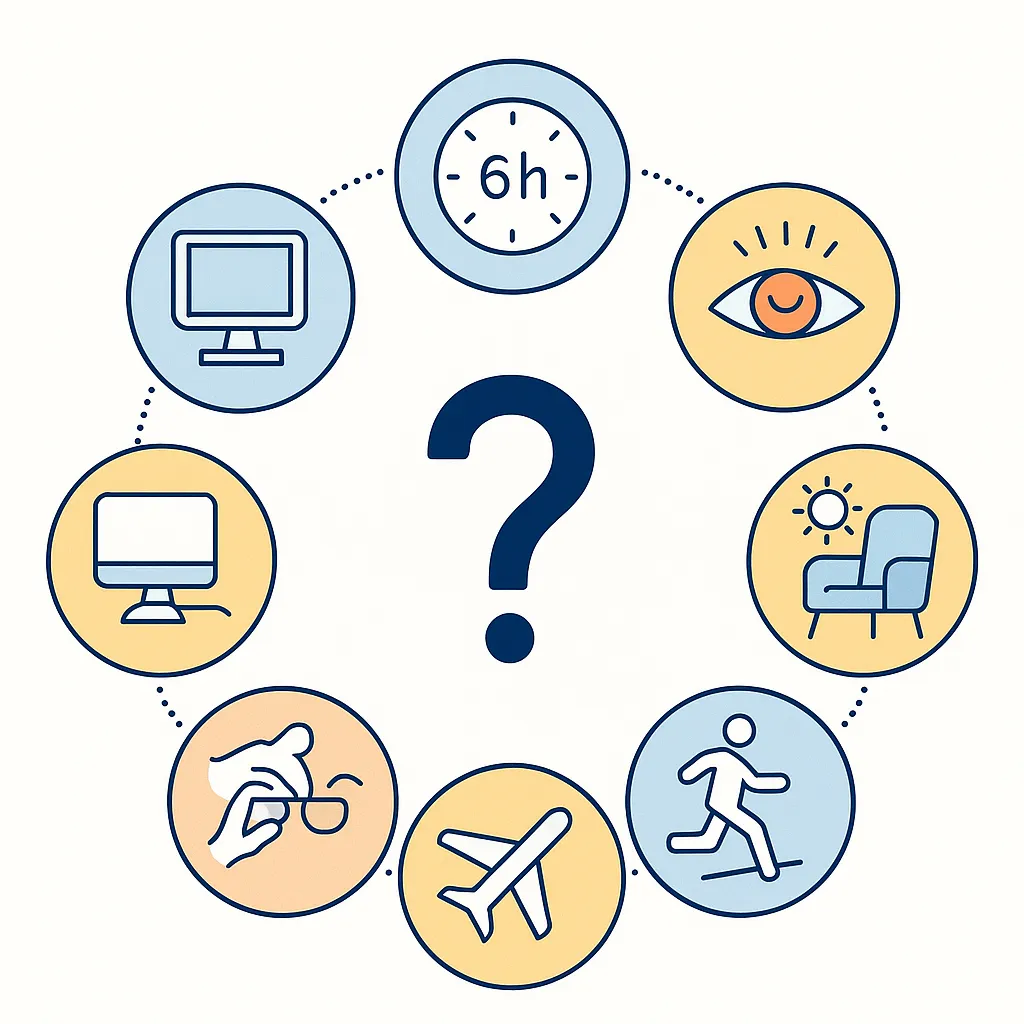
This mindset leads to smarter purchases and better long-term satisfaction.
Normalizing Multiple Pairs
Owning multiple pairs of glasses is no longer seen as indulgent. It is increasingly viewed the same way as owning different shoes for work, exercise, and social settings.
Each pair has a role, and none are expected to do everything.
Prioritizing Comfort Over Versatility
Instead of forcing lenses to adapt to every situation, consumers are prioritizing comfort and clarity where it matters most. Versatility is still valued — but not at the expense of visual well-being.
Leveraging Accessibility and Choice
With eyewear more accessible than ever, building a small collection tailored to real needs feels achievable rather than overwhelming.
The Psychological Shift Behind Hybrid Vision
There is also a mindset change happening beneath the surface. People are paying more attention to how their eyes feel, not just how well they see.
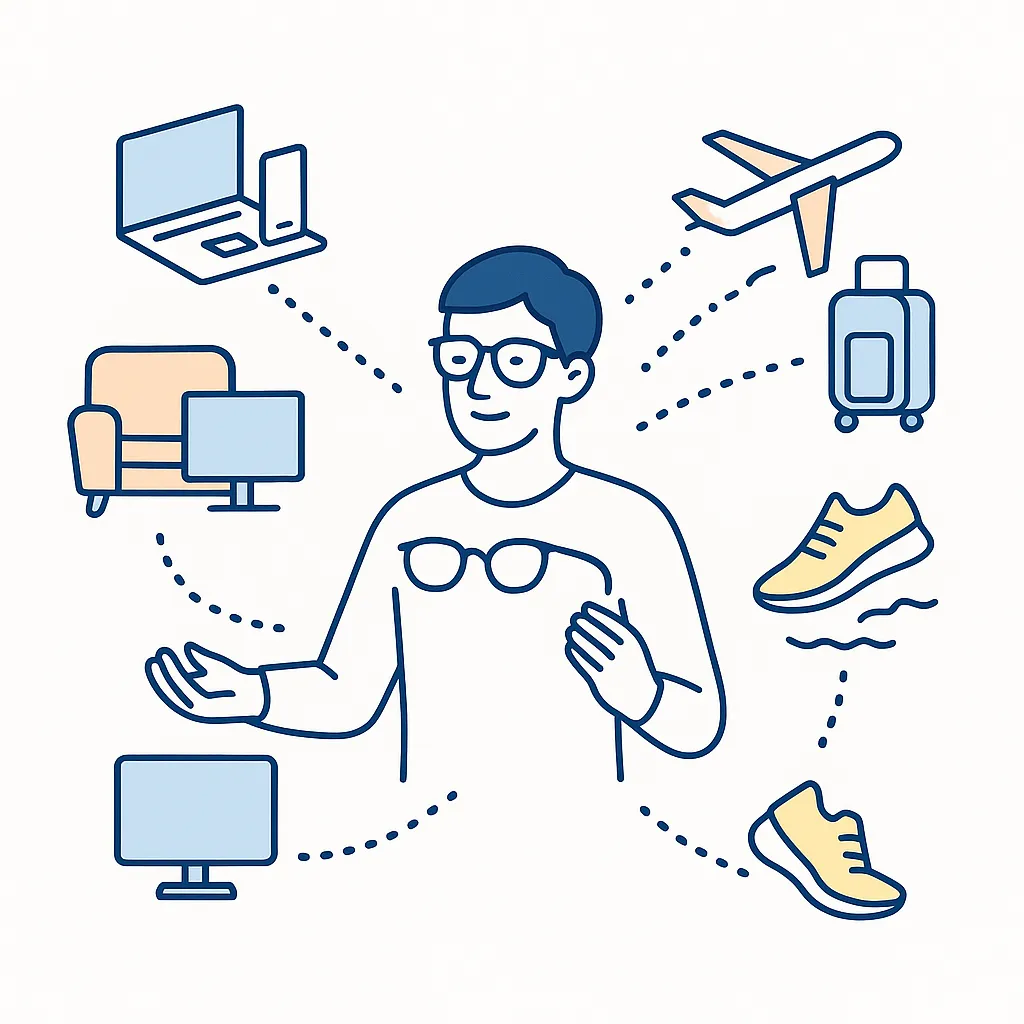
Discomfort is no longer dismissed as normal.
Fatigue is no longer accepted as inevitable.
This awareness is pushing consumers to seek solutions that align with their routines instead of fighting against them.
Hybrid vision needs reflect a broader cultural shift toward personalization and well-being.
Looking Ahead: Vision as a System, Not a Single Tool
As lifestyles continue to evolve, vision care is becoming more system-oriented. Glasses are no longer isolated items but part of a daily toolkit.
In 2026, clarity is contextual. Comfort is situational. And eyewear works best when it aligns with how people actually live.
The rise of hybrid vision needs signals a future where eyewear adapts fluidly to modern life — supporting focus at work, relaxation at home, confidence on the road, and freedom in motion.
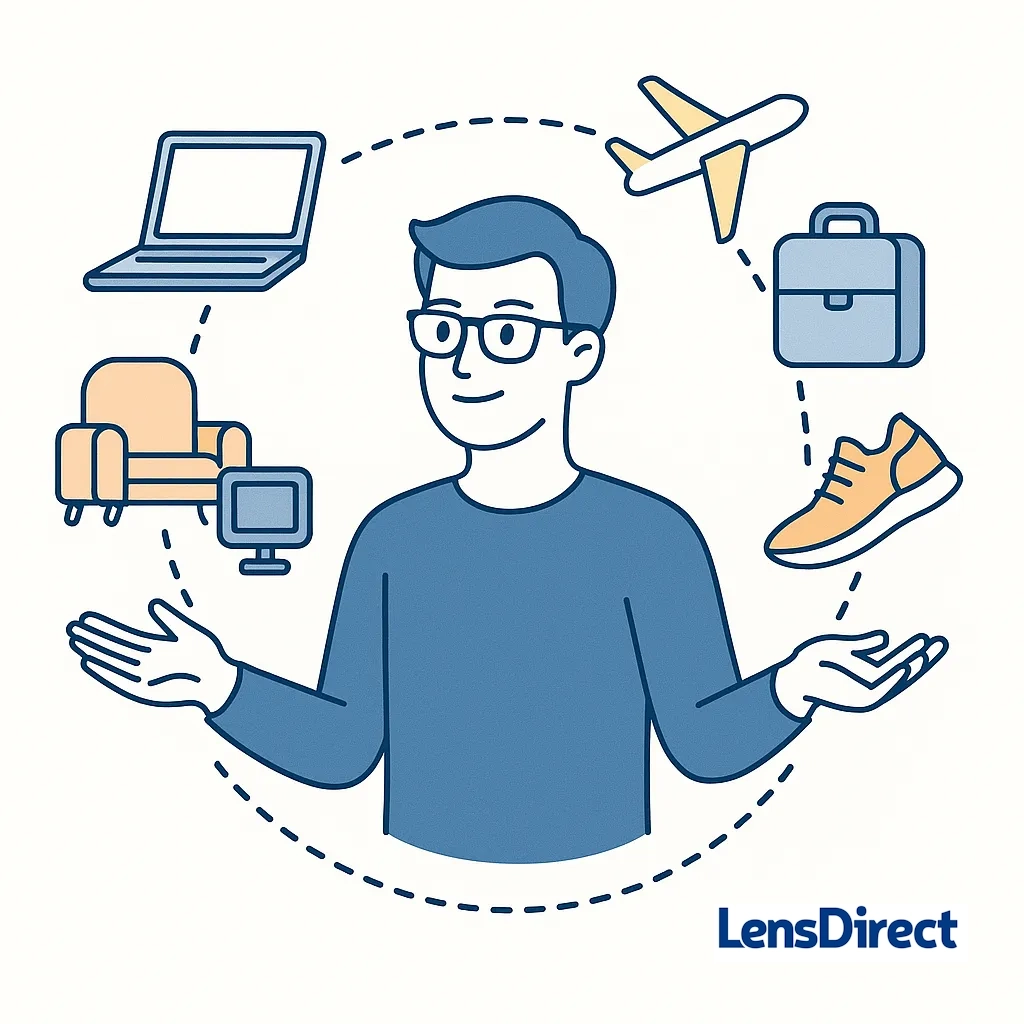
For many people, one pair of glasses is no longer enough. When you’re ready to buy your second (or third) pair, we’ve got you covered.
Author

Subscribe to our email newsletter to get the latest posts delivered right to your email.