
Flexible spending accounts (FSAs) and health savings accounts (HSAs) let you pay for medical expenses with pre‑tax dollars. Contact lenses, solutions, eye exams and prescription eyewear are all eligible, making these accounts invaluable for vision care. This guide explains how FSAs and HSAs work, highlights the 2025 contribution limits, and outlines a step‑by‑step plan for maximizing your benefits on contact lens purchases before the December 31 deadline.
FSA vs. HSA: Understanding the difference
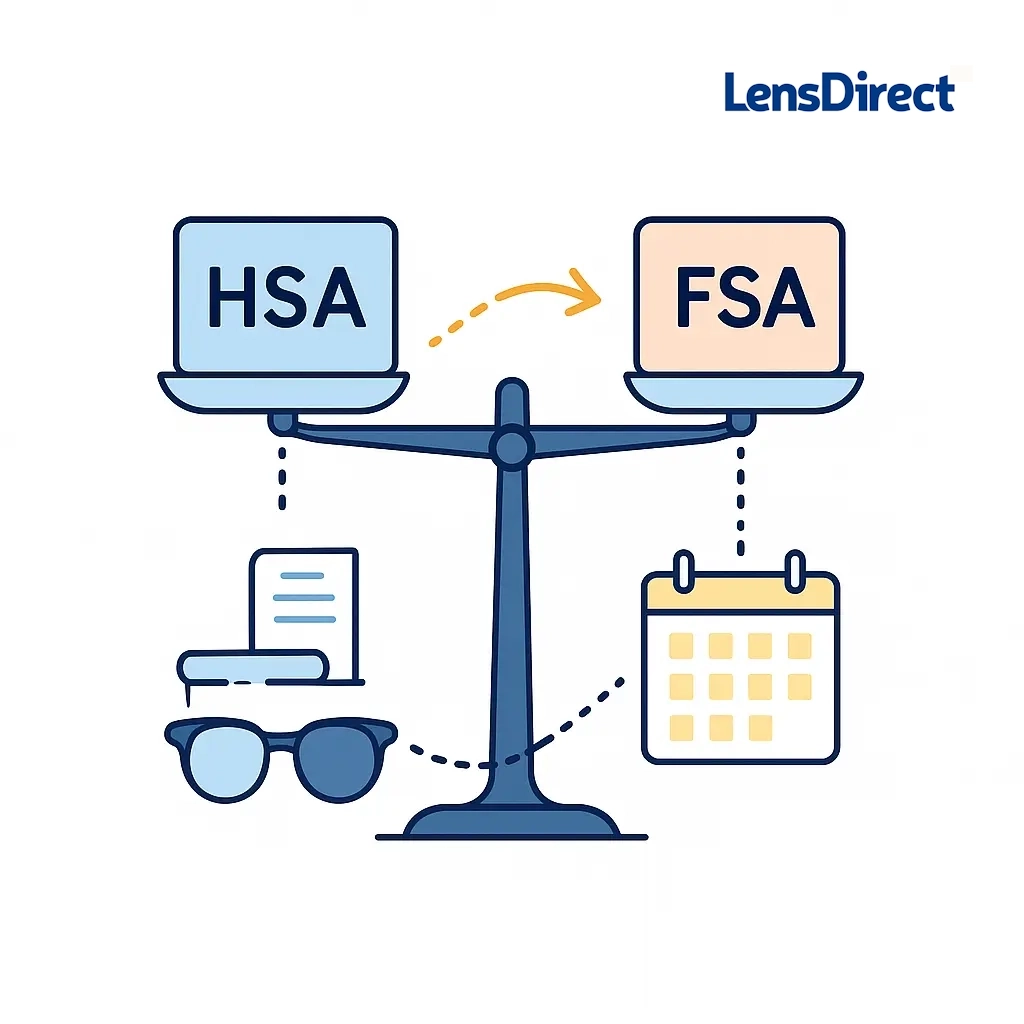
Flexibility vs. rollover
An FSA is established by your employer. You decide how much to contribute during open enrollment, and your full annual contribution is available at the start of the plan year.
However, FSAs follow a use‑it‑or‑lose‑it rule: unused funds generally expire at year end.
Employers may offer either a grace period (typically up to 2.5 months) or carryover option (up to a fixed amount) but they are not required.
The IRS announced that FSA participants can contribute up to $3,300 in 2025, and plans that permit a carryover may allow up to $660 to roll into 2026irs.gov.
An HSA requires enrollment in a high‑deductible health plan (HDHP). Contributions can be made by you or your employer and can be changed at any time during the year.
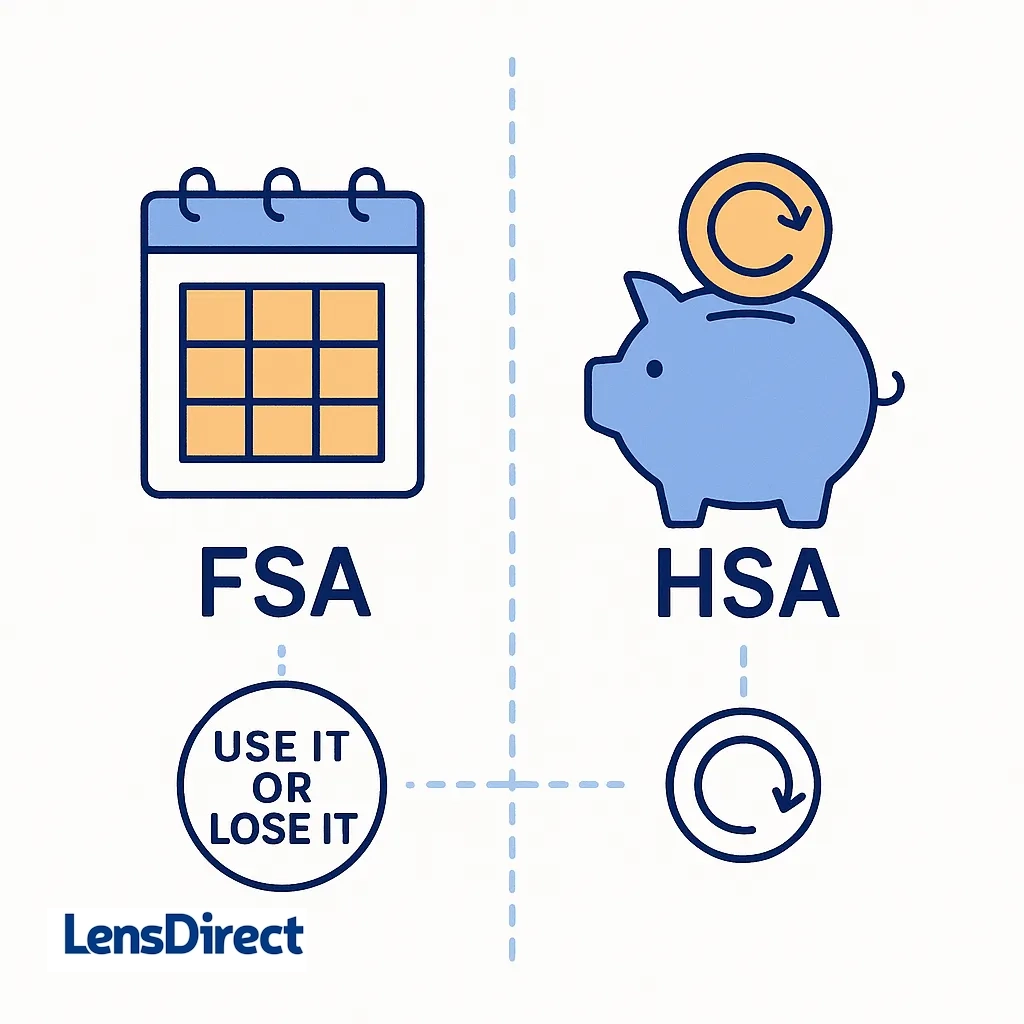
Unlike FSA funds, HSA balances roll over indefinitely and can even be invested.
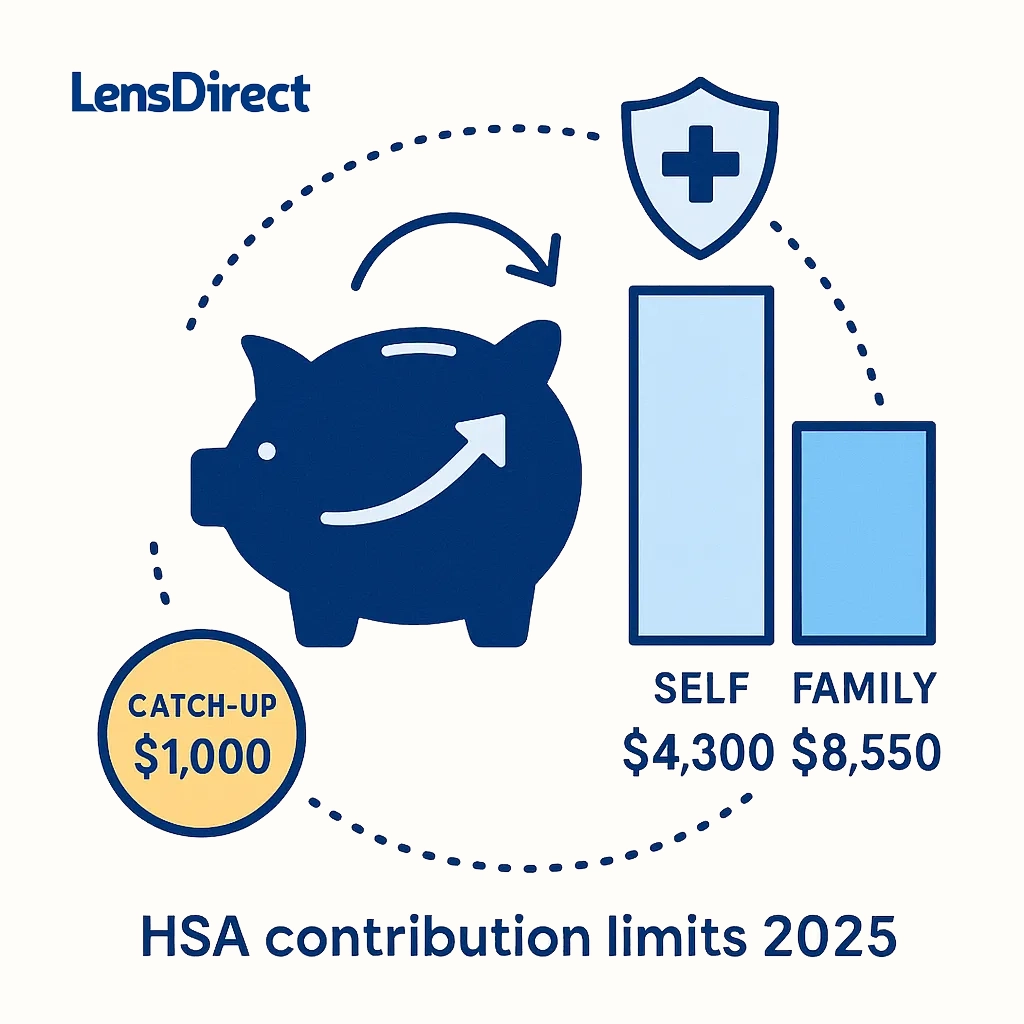
For 2025 the contribution limit increases to $4,300 for self‑only coverage and $8,550 for family coverageblog.healthequity.com.
Account holders aged 55 or older may contribute an additional $1,000 catch‑up contributionadvantageadmin.com.
Eligible expenses
Both accounts cover a wide array of medical expenses including eye care.
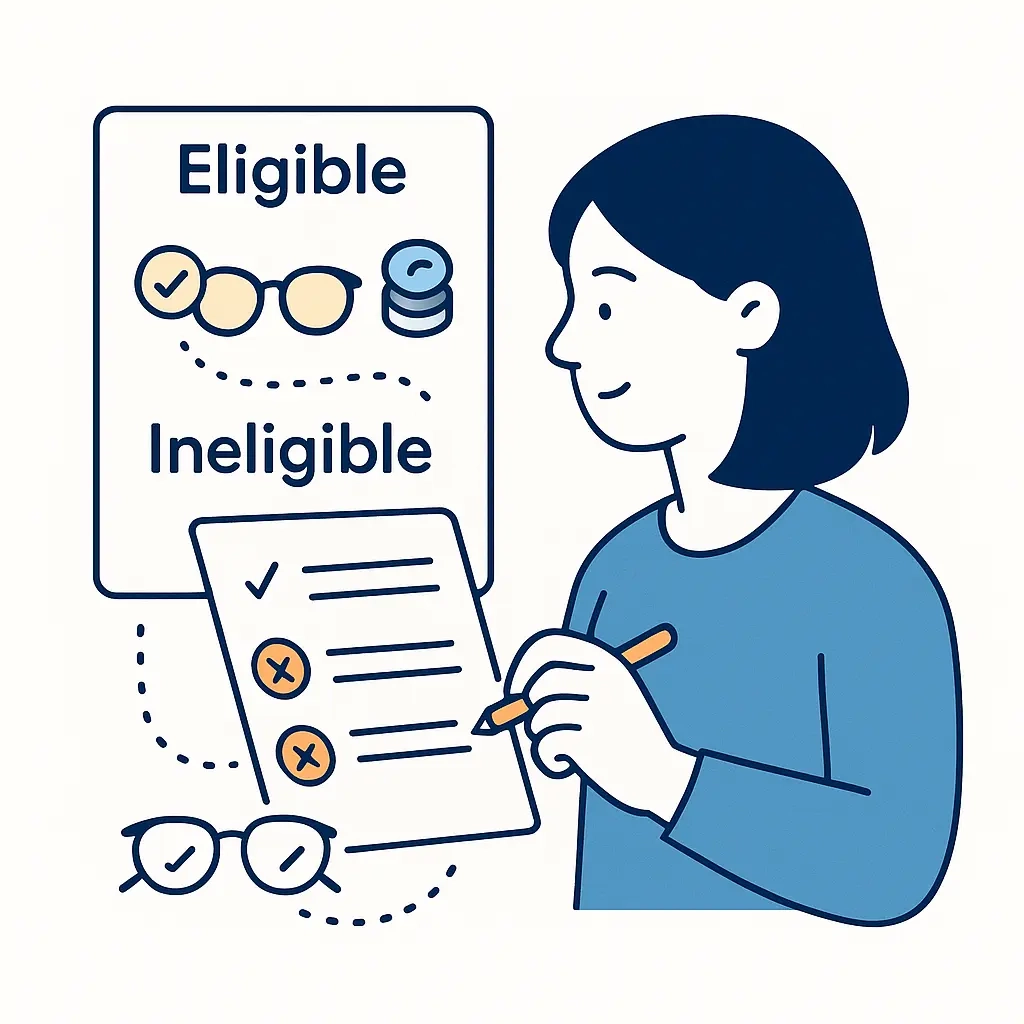
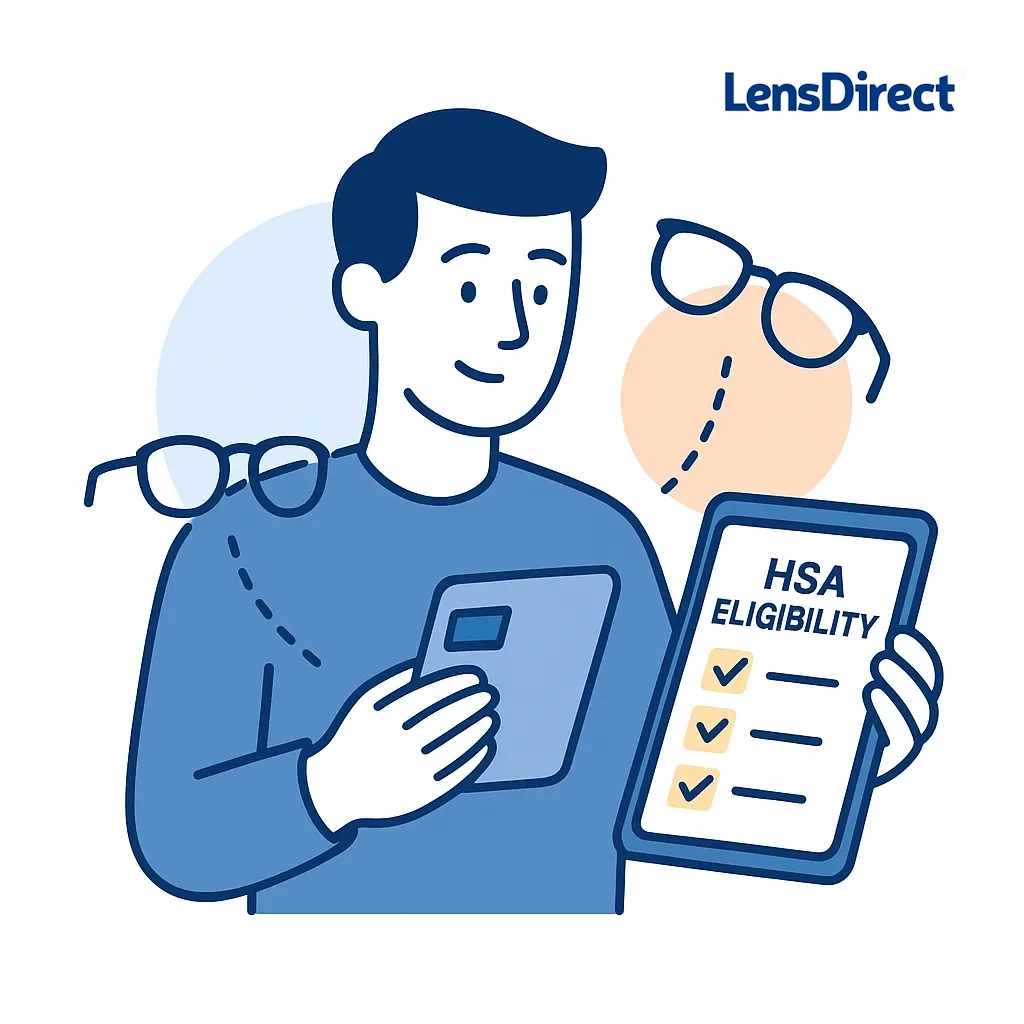
In general, prescription contact lenses, prescription glasses and even prescription sunglasses can be paid for with FSA/HSA funds.
You can also use the accounts for eye exams, lens cleaning solutions, rewetting drops and accessories — just keep receipts for documentation.
2025 contribution limits at a glance
| Account type | 2025 contribution limit* | Catch‑up (age 55+) | Carryover/grace period |
| Health FSA | $3,300 per employeeirs.gov | N/A | Plans may allow up to $660 carryover into 2026irs.gov |
| HSA (self‑only) | $4,300blog.healthequity.com | $1,000advantageadmin.com | Unlimited rollover |
| HSA (family) | $8,550blog.healthequity.com | $1,000advantageadmin.com | Unlimited rollover |
*Limits apply to combined employee and employer contributions. Always check your specific plan for rules on grace periods and carryovers.
Step‑by‑step countdown for FSA/HSA spending
1. Assess your balance and contributions
Log in to your FSA or HSA portal and check your current balance.
For FSA users, note whether you have a grace period or carryover; if not, plan to spend the entire balance before December 31.
For HSA users, review how much you have contributed so far and how much you can still contribute.
Since HSAs allow contribution changes at any time, you can add funds before year end to cover large purchases.
2. Review eligible expenses
Make a list of vision‑related needs for the next 6–12 months:
Contact lenses – A yearly supply ensures you won’t run out and locks in current pricing. Many brands offer bulk discounts or rebates.
Replacement glasses – Keep a backup pair for days when you can’t wear contacts. Glasses also help relieve digital eye strain when working on screens.
Prescription sunglasses – Provide UV protection and clear vision outdoors.
Lens solutions and rewetting drops – Preservative‑free drops help combat winter dryness and are recommended for contact lens wearers.
Eye exams – Scheduling a comprehensive exam ensures your prescription is up to date; HSA/FSA funds cover copays and out‑of‑pocket costs.
3. Schedule necessary appointments
If you need an updated prescription, book an eye exam immediately.
Many clinics fill up in late November and December.
Updated prescriptions are necessary to order contacts or glasses, and an exam can reveal conditions like dry eye, allergies or corneal changes that affect lens fit.
Use your FSA/HSA to pay for the exam and any additional diagnostic tests.
4. Place orders early
Holiday shipping delays and supply chain issues can turn year‑end purchases into a race against the clock.
Order your contact lenses, glasses and solutions early in December.
LensDirect often offers promotions during November and December; combining these deals with your FSA/HSA funds stretches your budget further.
Take advantage of manufacturer rebates on six‑ or 12‑month supplies and free shipping thresholds.
5. Save and submit receipts
Keep digital or printed receipts of all qualified purchases.
Many FSA plans require receipts for reimbursement, especially if you use a regular credit card instead of the FSA debit card.
Label your receipts clearly and submit them promptly.
For HSAs, receipts aren’t required for reimbursement but should be kept for tax records.
6. Adjust your HSA contributions if needed
If your current HSA balance is insufficient to cover your planned expenses, increase your payroll contributions or make a lump‑sum contribution before year end (as long as you stay within the annual limit).
Since HSAs roll over indefinitely, any unused balance continues to grow tax‑free.
7. Understand the grace period or carryover rules
Check whether your FSA offers a grace period (usually until mid‑March) or a carryover allowance.
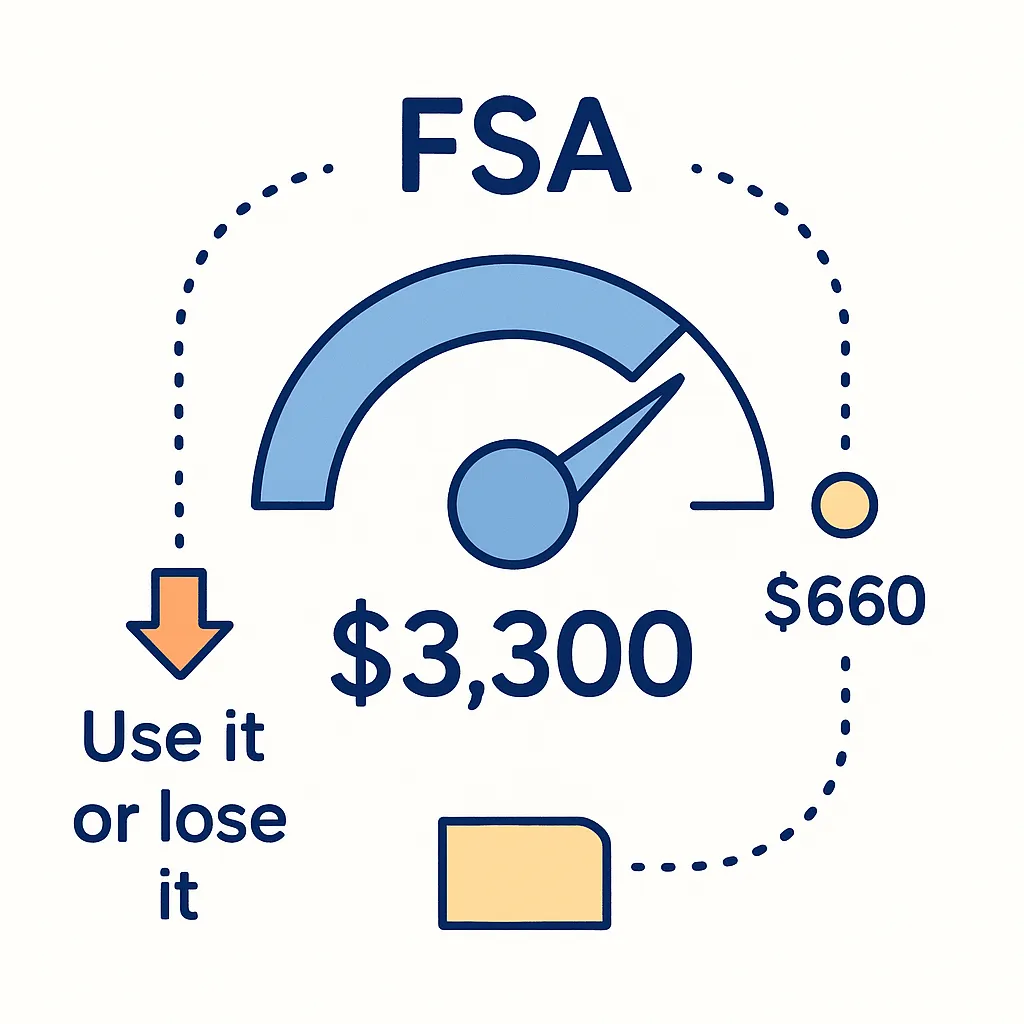
If your plan has a grace period, you may be able to spend unused 2025 funds in early 2026.
If it offers a carryover, up to $660 may roll into 2026 (irs.gov).
Plans cannot offer both options; they must choose one or neither.
Tips for maximizing FSA/HSA value on contacts
Buy daily disposable lenses if you wear contacts part‑time. The AOA notes that daily disposables are convenient for occasional wearers and reduce complications associated with storing lenses for long periods (aoa.org).
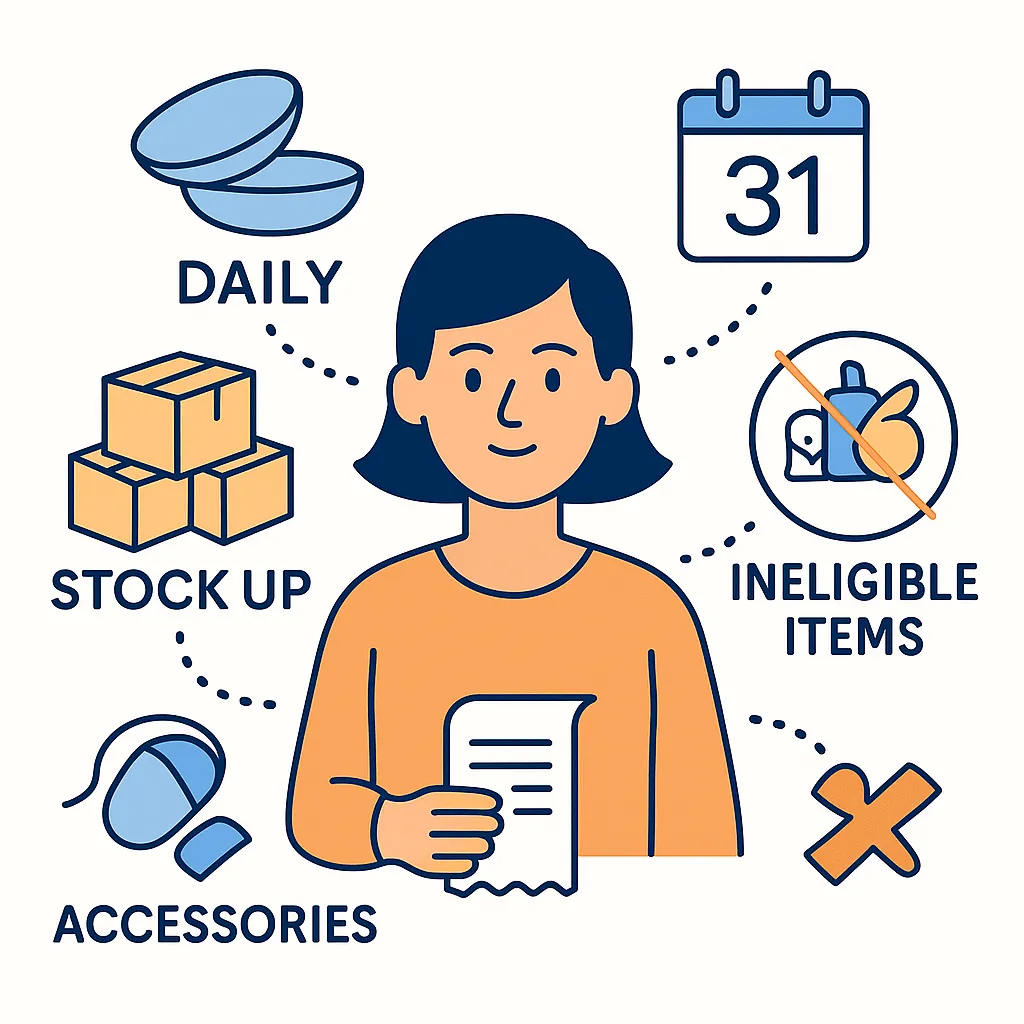
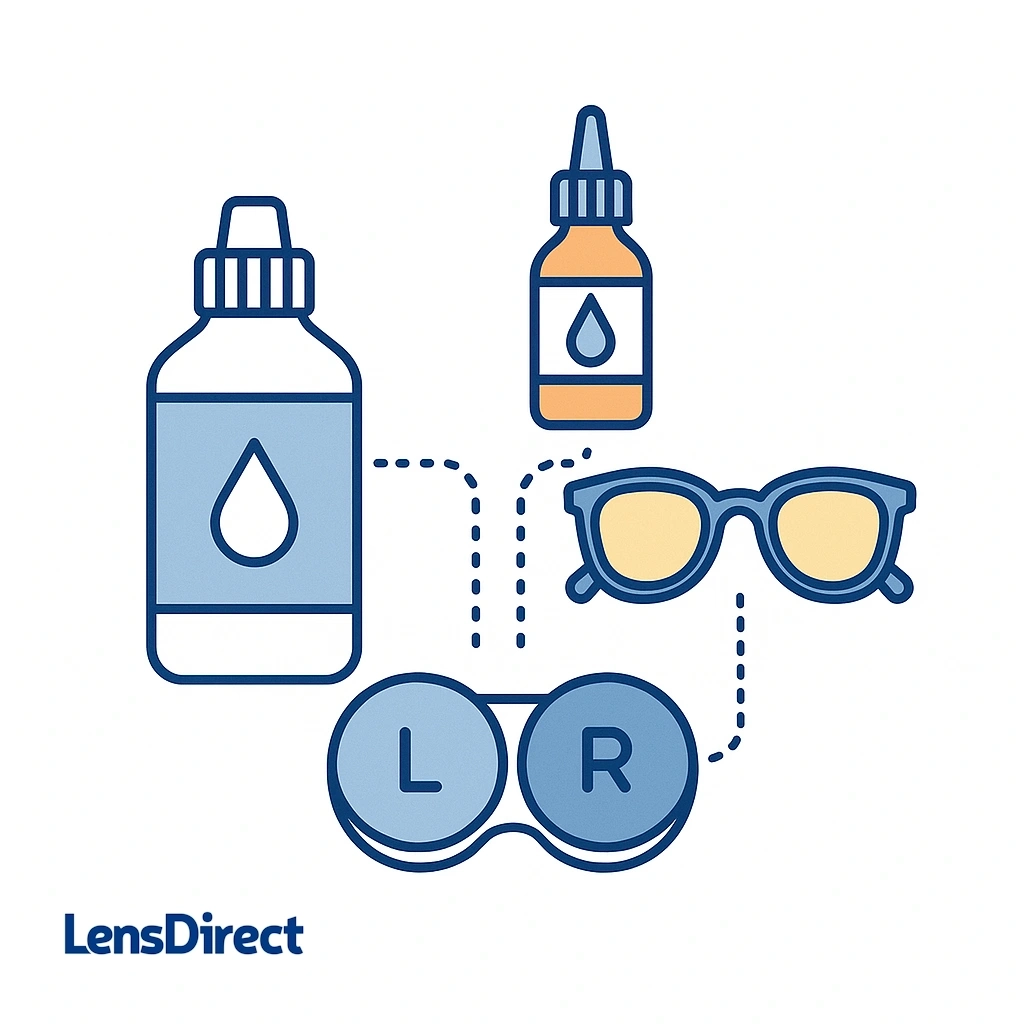
Stock up on lens care supplies. Cases should be replaced every three months and solutions discarded after opening (usually within 90 days) (aoa.org). Purchasing multiple bottles and cases ensures you stay compliant and infection‑free.
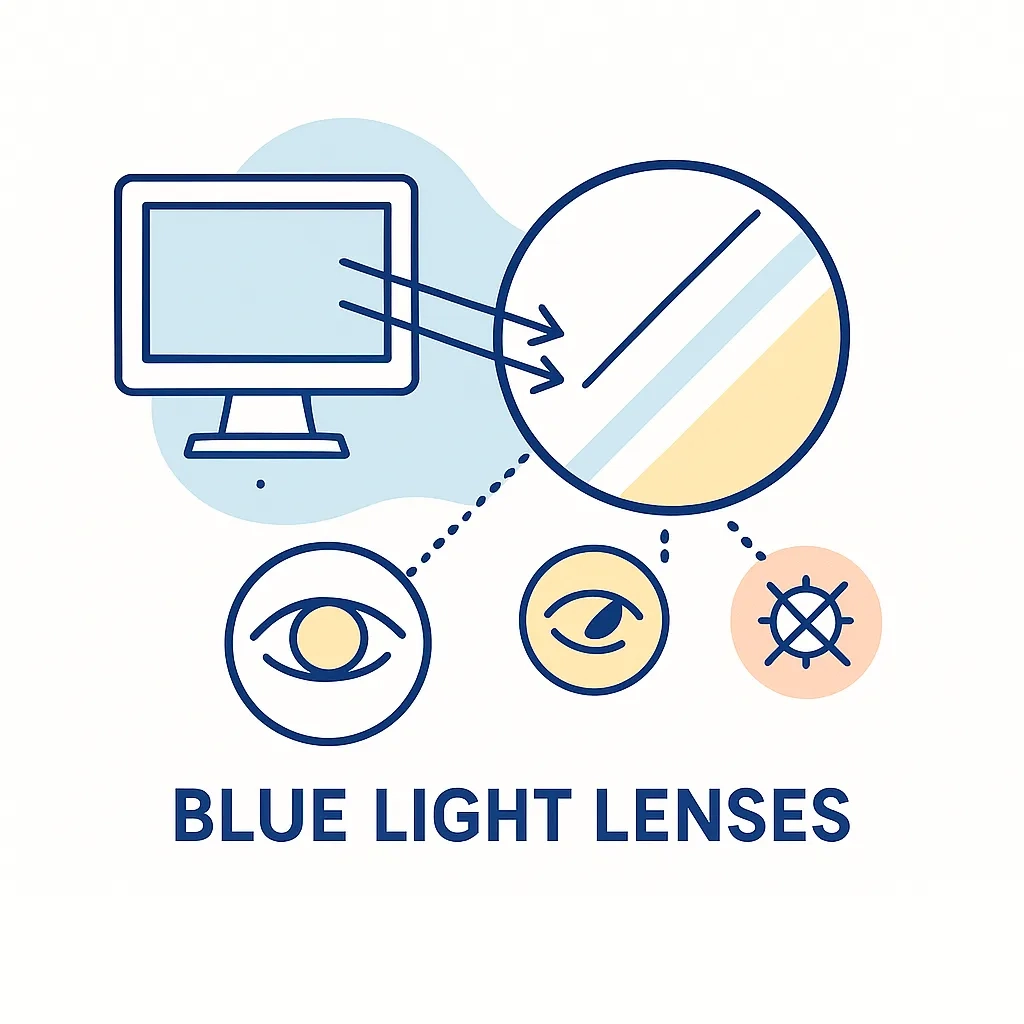
Invest in eye health accessories. Consider blue‑light blocking glasses or anti‑fatigue lenses for computer use, sunglasses with UV protection, or eyelid scrubs for blepharitis. Many of these items are FSA/HSA‑eligible when prescribed for a medical condition.
Avoid ineligible items. Cosmetic contact lenses for costumes are not eligible unless they correct vision; the AOA warns against purchasing decorative lenses without a prescription due to infection risks (aoa.org).
Final reminder
Using your FSA or HSA effectively requires early planning. By knowing your 2025 contribution limits and understanding which eye care expenses are eligible, you can make informed purchases that enhance your vision and protect your wallet. Don’t wait until the last week of December — check your account balances, schedule eye exams, and order your lenses from LensDirect well before the deadline. Your eyes and your finances will thank you.
Author

Subscribe to our email newsletter to get the latest posts delivered right to your email.