
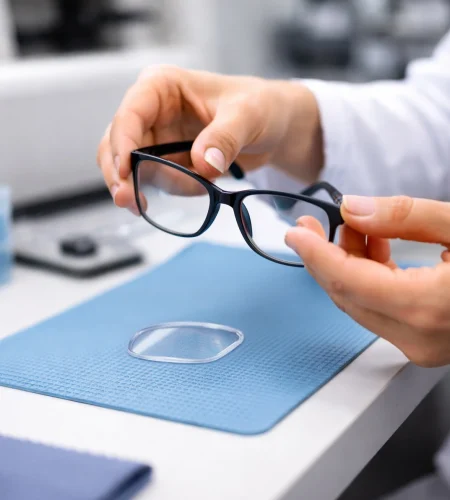
Mail-in lens replacement makes it possible to refresh your glasses or sunglasses without starting from scratch. Instead of buying a whole new pair, you send in your current frames and an optical lab makes new lenses to match your prescription and lifestyle needs.
This guide is for people who want value and convenience when buying eyewear online, contacts wearers who also keep a backup pair of glasses, and anyone looking to replace eyeglass lenses in frames they already love. You’ll learn the real-world lens replacement timeline, how shipping typically works, and what actually happens inside an eyeglass lens lab from intake to final inspection.
Who lens replacement is best for (and when it’s not)

Prescription lens replacement is a great fit when your frames still fit well, the hinges are solid, and you simply want clearer vision, a new coating, or updated sunglasses lenses. It is also a practical option if you like your current style and don’t want to risk a new frame fit.
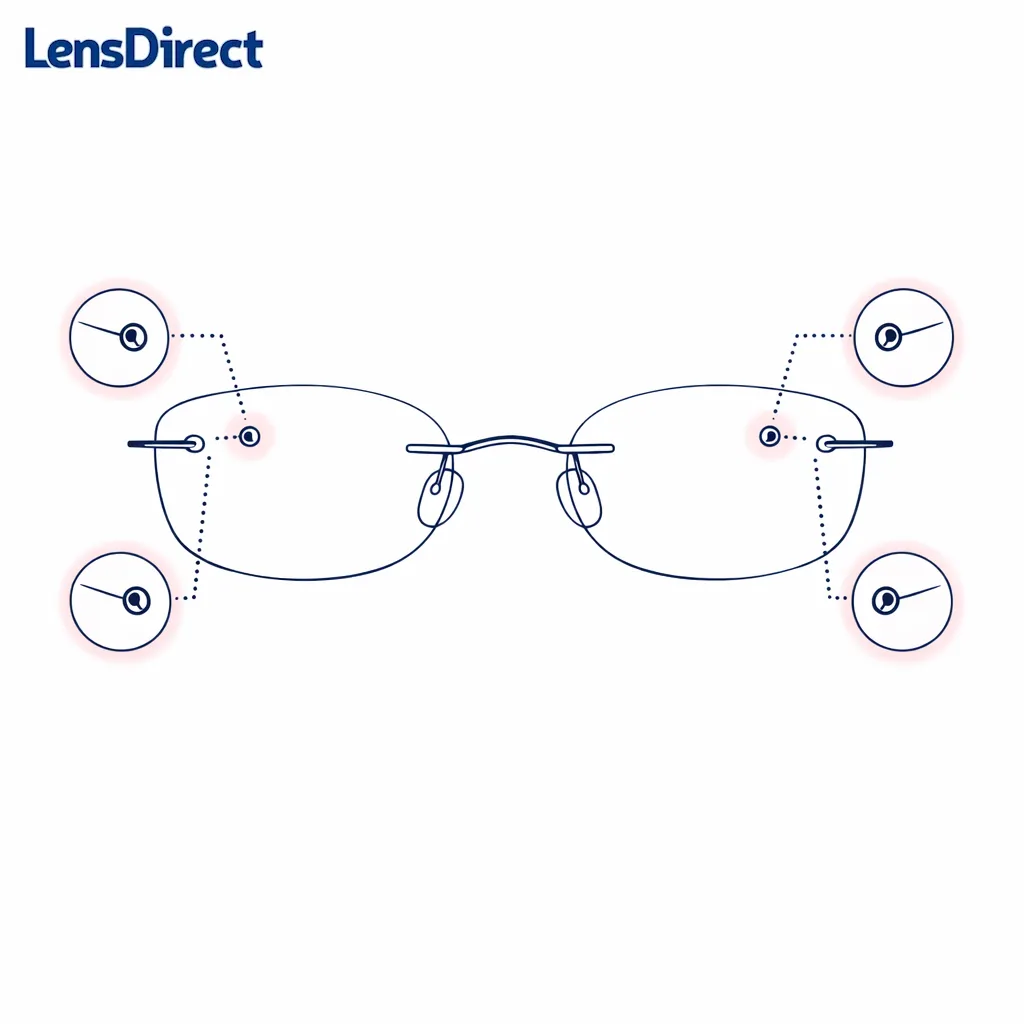
It may be a better idea to buy new frames if yours are cracked, heavily warped, or already repaired near the lens groove. Very fragile materials and deeply worn rimless drill-mount frames can be higher-risk because the mounting points and hardware are already under stress.
Good candidates for new lenses in existing frames
- Everyday eyeglasses where the frame is still structurally sound
- Sunglasses you want to convert into prescription, or refresh with new tints
- Backup glasses for travel, work, or contact lens breaks
- People who want to upgrade to anti-reflective or scratch-resistant coatings
When to pause and ask an optician first
- Rimless frames (drilled lenses) with loosening hardware
- Frames with stress cracks, missing screws, or bent bridges
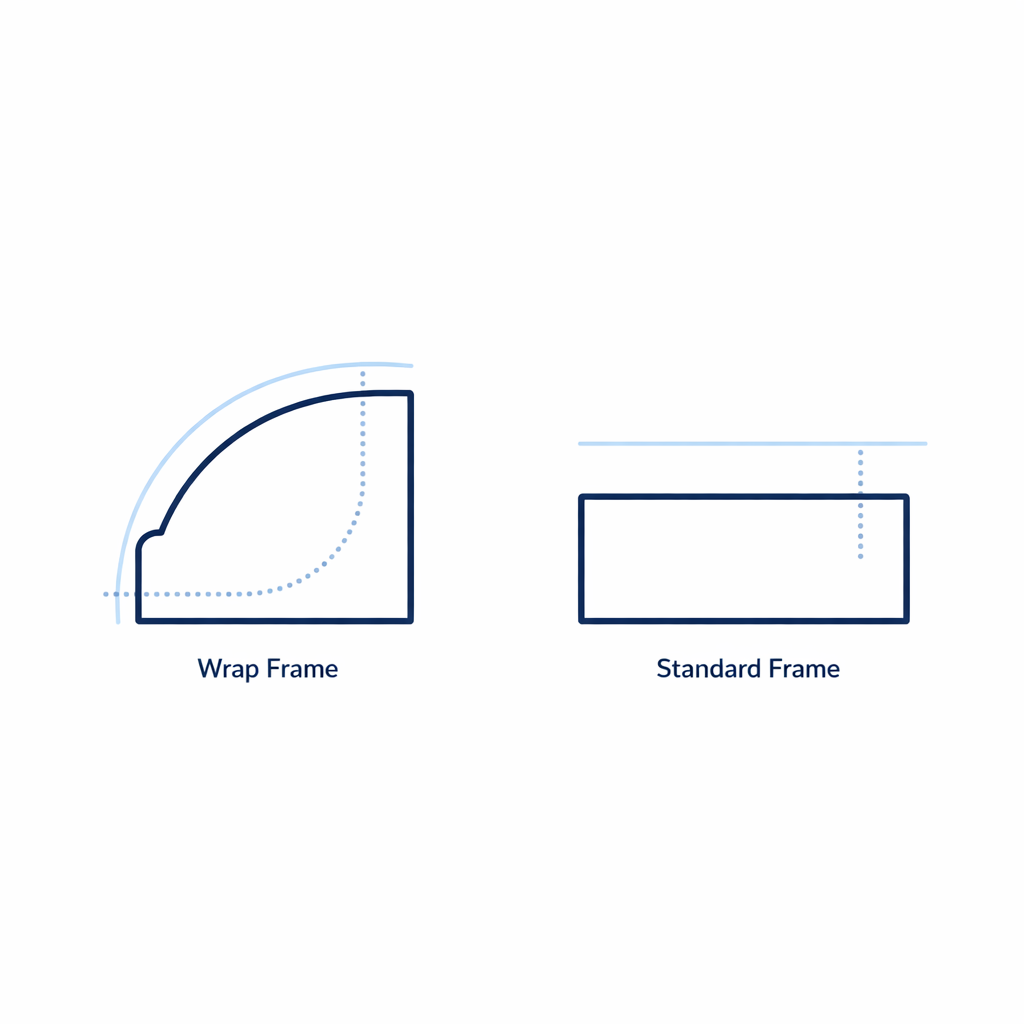
- Wrap/sport frames where lens curvature can limit prescription options
What changed recently when buying eyewear online
If you are replacing lenses using your latest prescription, it helps to know your rights. Under the FTC Eyeglass Rule (Ophthalmic Practice Rules), eye care prescribers must provide a copy of your eyeglass prescription after a refraction, which supports consumers who want to shop for glasses online.
The FTC also finalized updates aimed at improving access and recordkeeping, described in the FTC’s announcement on strengthening the Eyeglass Rule. The practical takeaway is that getting your Rx should be more straightforward, which can reduce delays when you are ready to order replacement lenses.
How mail-in lens replacement works (step by step)
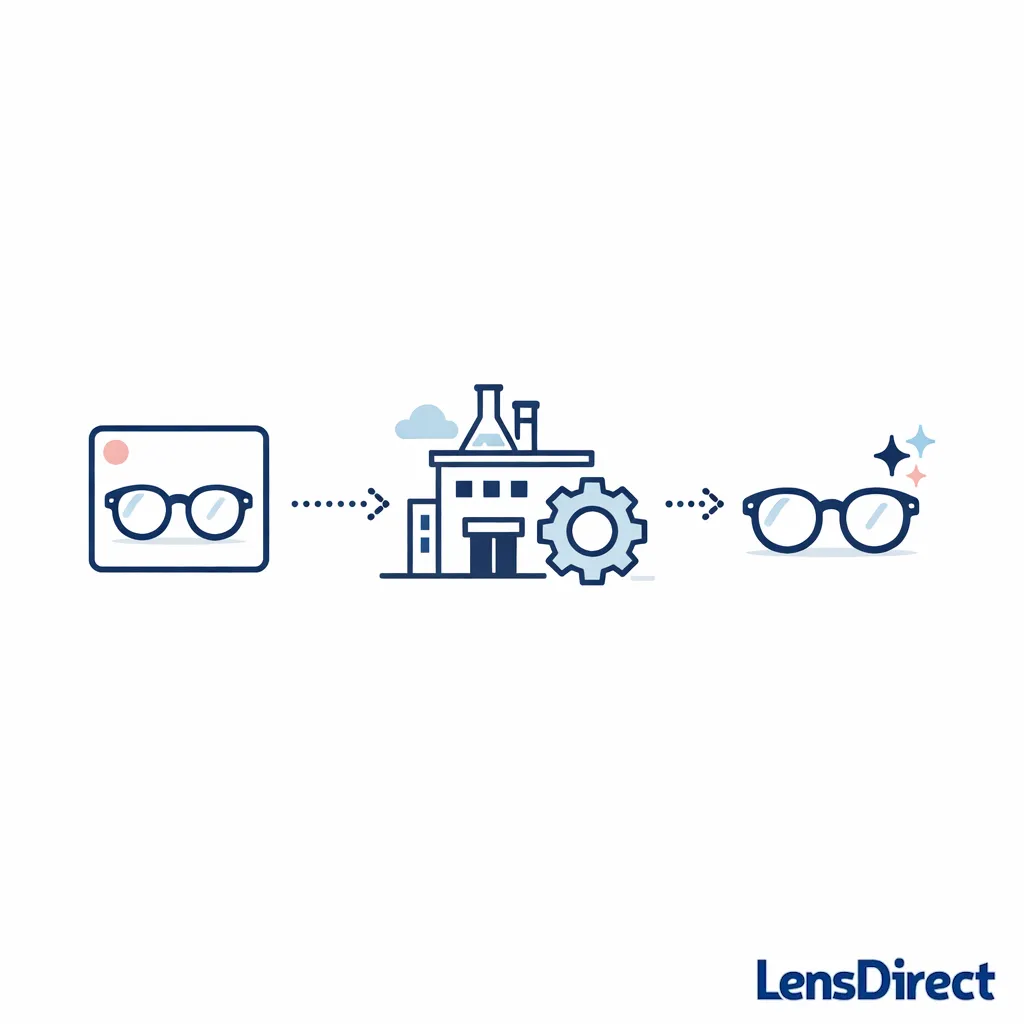
“Mail-in lens replacement” usually means you place an order online, ship your frames to a lab, and receive your frames back with new lenses installed. The details vary by provider, but the workflow below is a reliable way to understand how lens replacement works from your perspective.
1) You confirm what you want (prescription, lens type, add-ons)
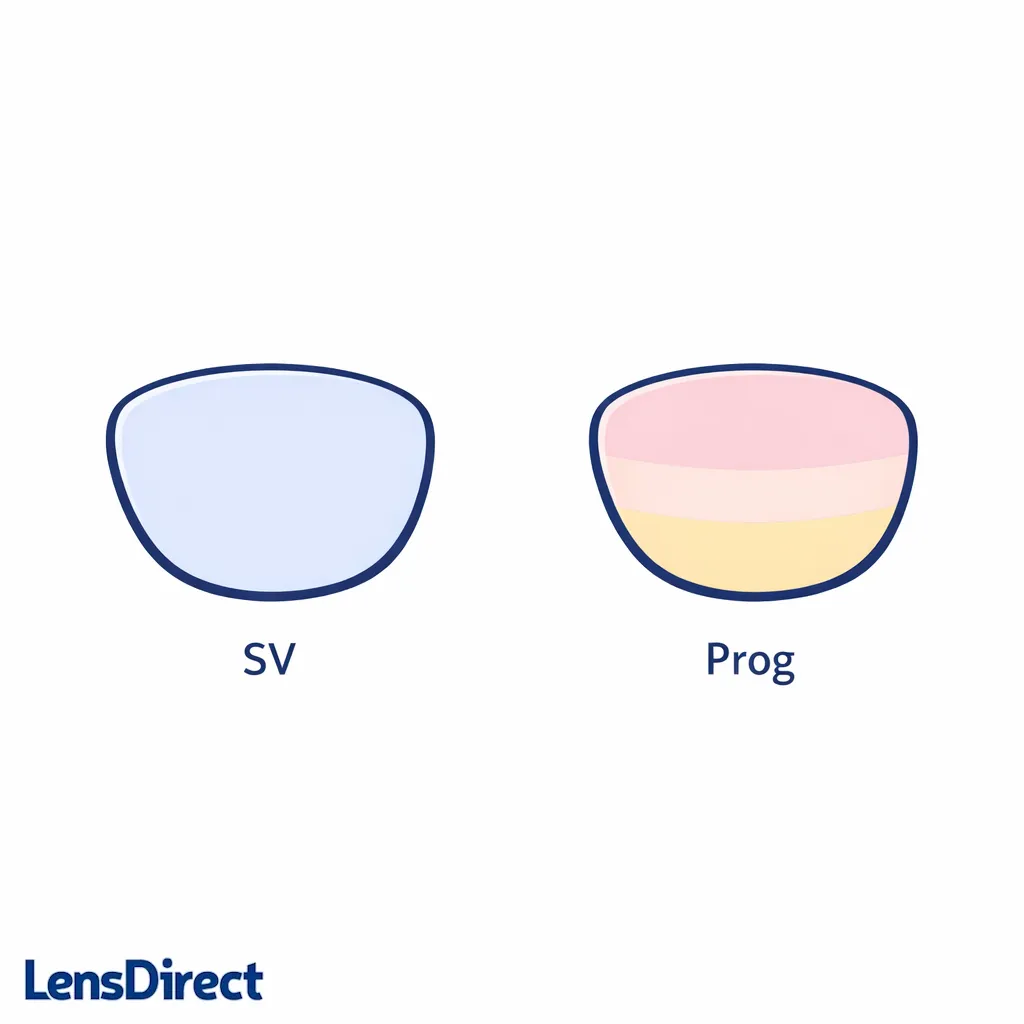
Start with your prescription and decide how you use the glasses. Single-vision lenses correct one viewing distance, while progressives correct multiple distances in one lens (usually far to near), and each option changes both price and lab complexity.
If you are replacing prescription sunglass lenses, decide whether you want polarization for glare reduction, a specific tint, mirrored coatings, or photochromic lenses that change with UV exposure. If you are unsure, it is safer to choose clarity and comfort first, then layer on add-ons that match your routine (driving, screens, sports, or outdoor time).
2) You place your order and follow the ship-in instructions

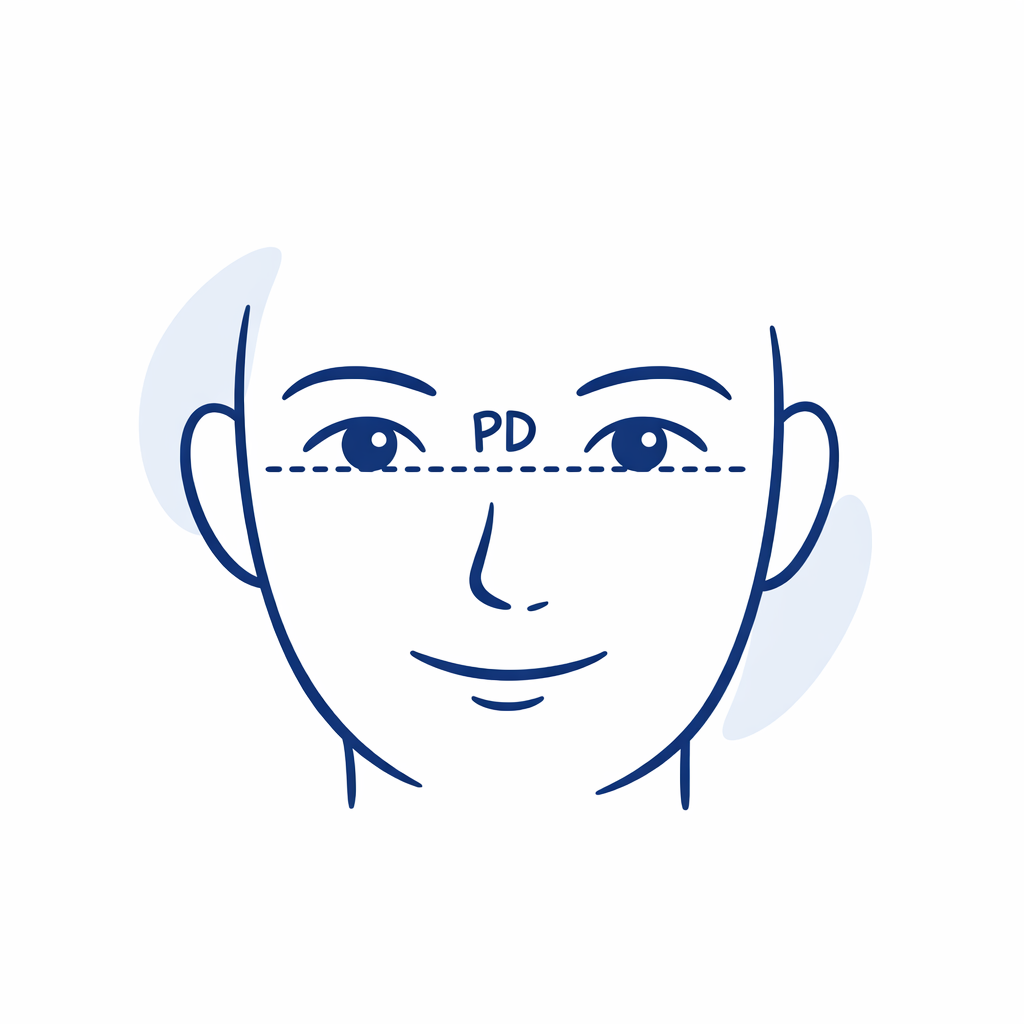
Most services will ask for your prescription details (and sometimes your pupillary distance, or PD). PD is the distance between your pupils and helps place the optical center of the lenses where your eyes actually look through the frame.
Some orders also include preferences like lens material (for thickness/weight), blue-light filtering, or stronger anti-reflective coatings. If anything about your prescription seems unusual or you have a history of adaptation issues, consider checking in with your eye doctor or optician before ordering.
3) You pack your frames for shipping
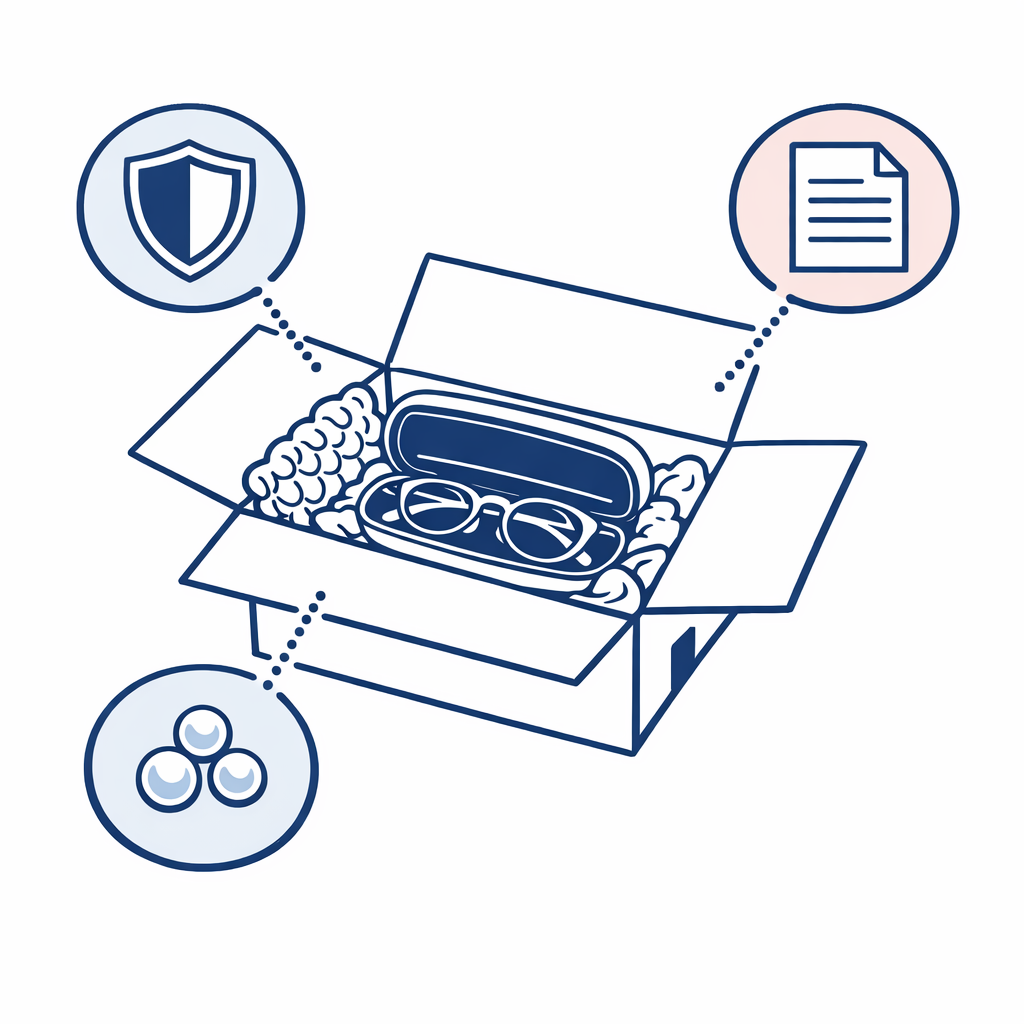
Shipping is the part you control the most. The goal is to prevent crushing and to keep your frames from rubbing against hard objects inside the box.
If your frames already have loose screws or a weak hinge, tighten what you safely can before shipping. You want the lab to evaluate the frame as it will be worn, not as it rattles during transit.
- Use a hard case if you have one, then place it inside a sturdy box.
- Pad the empty space with packing paper or bubble wrap so the case cannot shift.
- Remove accessories you don’t want to lose (extra clip-ons, decorative chains).
- Include order details as instructed (order number, name, and any notes).
4) The lab receives your frames and checks them in
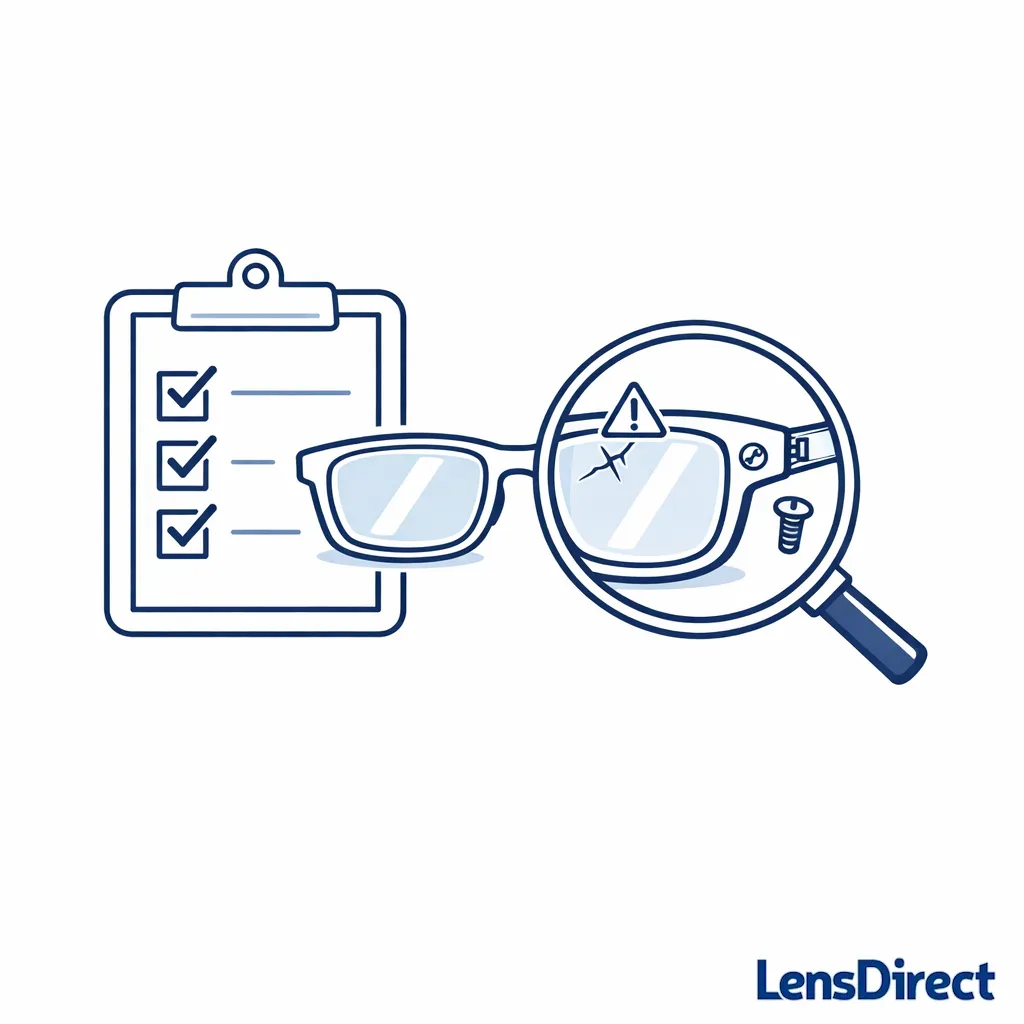
At intake, the lab typically logs the order, matches the frames to the job ticket, and performs a quick inspection. If the frame is too risky to lens, many labs will contact you before proceeding so you can choose a different plan (like switching to a new frame).
This is also where turnaround time can expand, because problems are easiest to catch before new lenses are cut. A careful inspection can prevent avoidable remakes later.
5) The lab measures your frame and plans the lenses
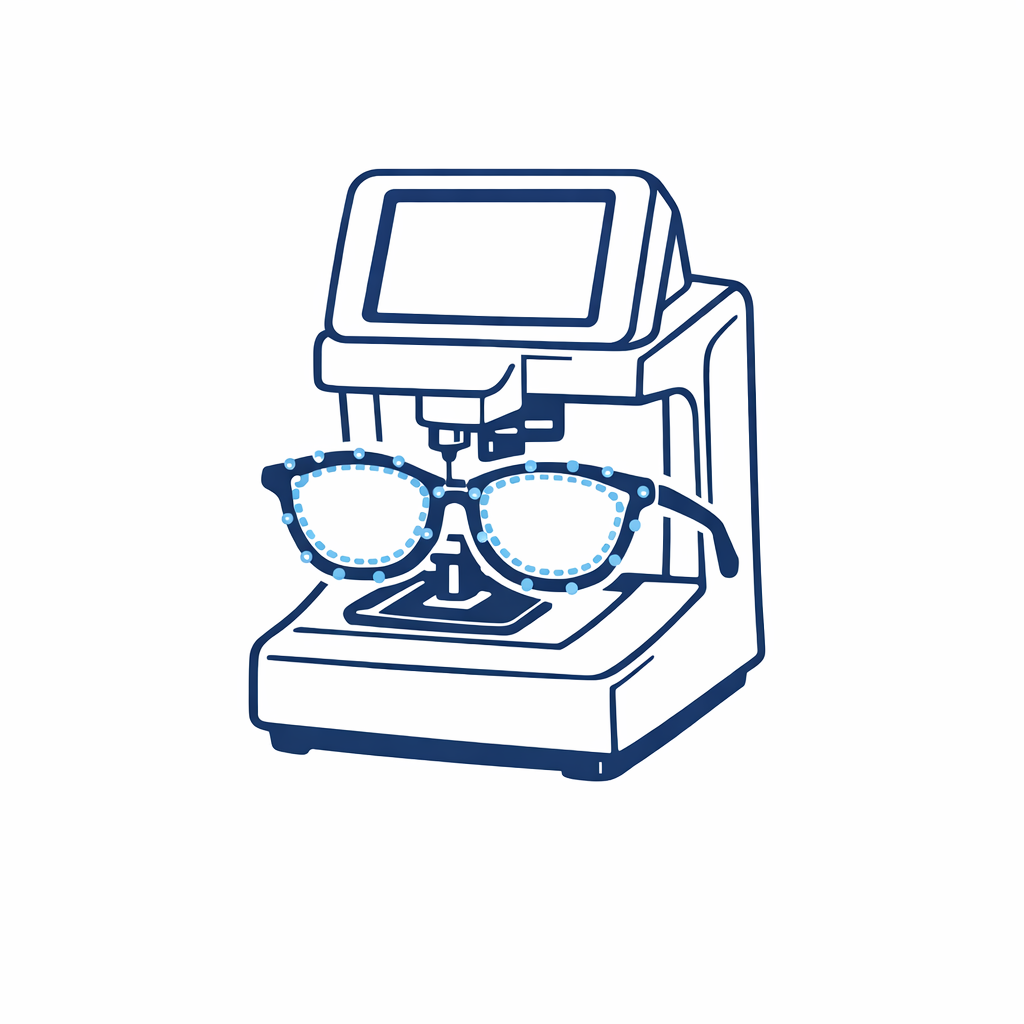
To make lenses that fit your exact frame shape, labs generally capture the lens outline and sizing information. This can be done by tracing the frame shape and using that data to guide edging equipment.
Planning also includes choosing the lens blank (a semi-finished lens piece) that matches your material and design. The lab then calculates how the lens surfaces should be produced to match your prescription and how the finished lens should sit in your frame.
6) The lenses are surfaced, polished, and prepared for coatings
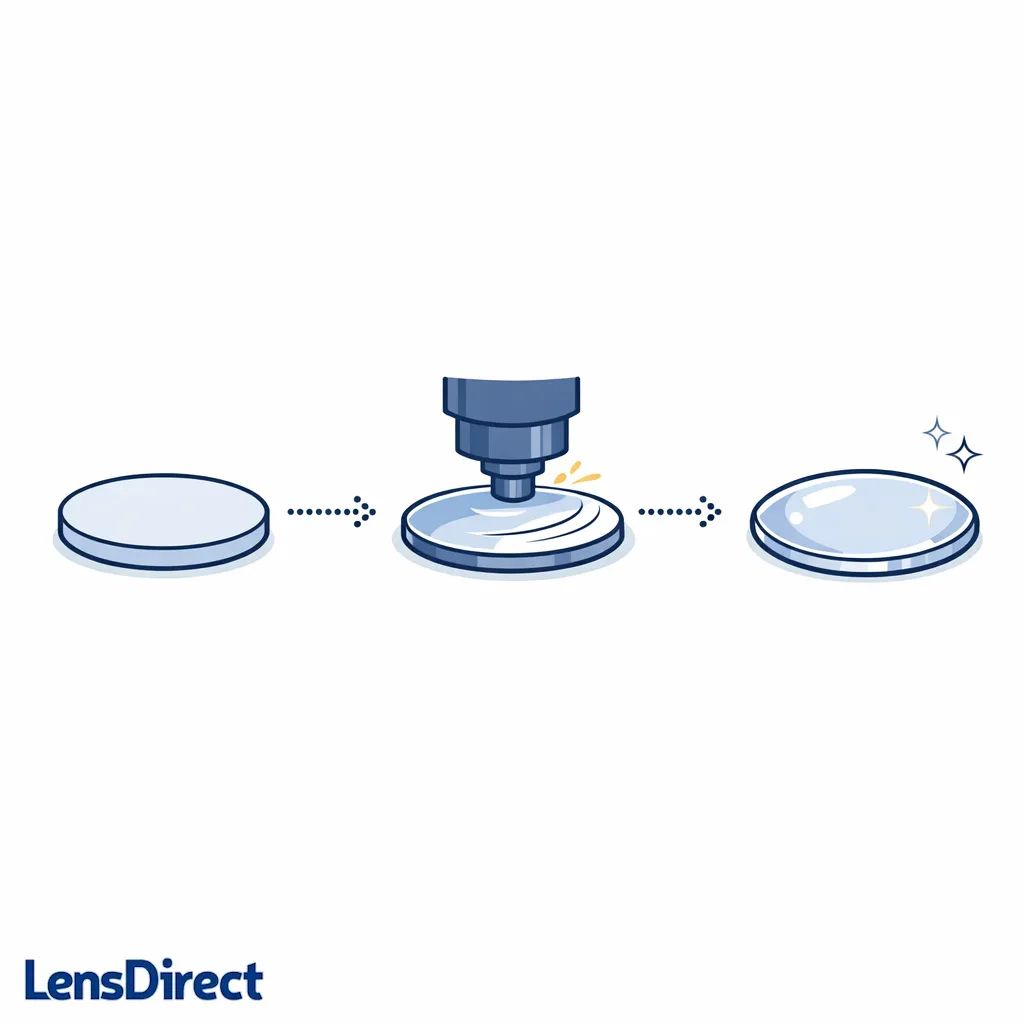
Surfacing is where prescription power is created by shaping one or more surfaces of the lens. In modern labs, this is done by controlled machinery that generates the curves, then smooths and polishes the surface to optical clarity.
If you choose premium designs (like certain progressive styles) or higher prescriptions, there can be more steps and more quality checks. That does not automatically mean “slower,” but it can add complexity that influences the schedule.
7) Coatings and treatments are applied (if selected)
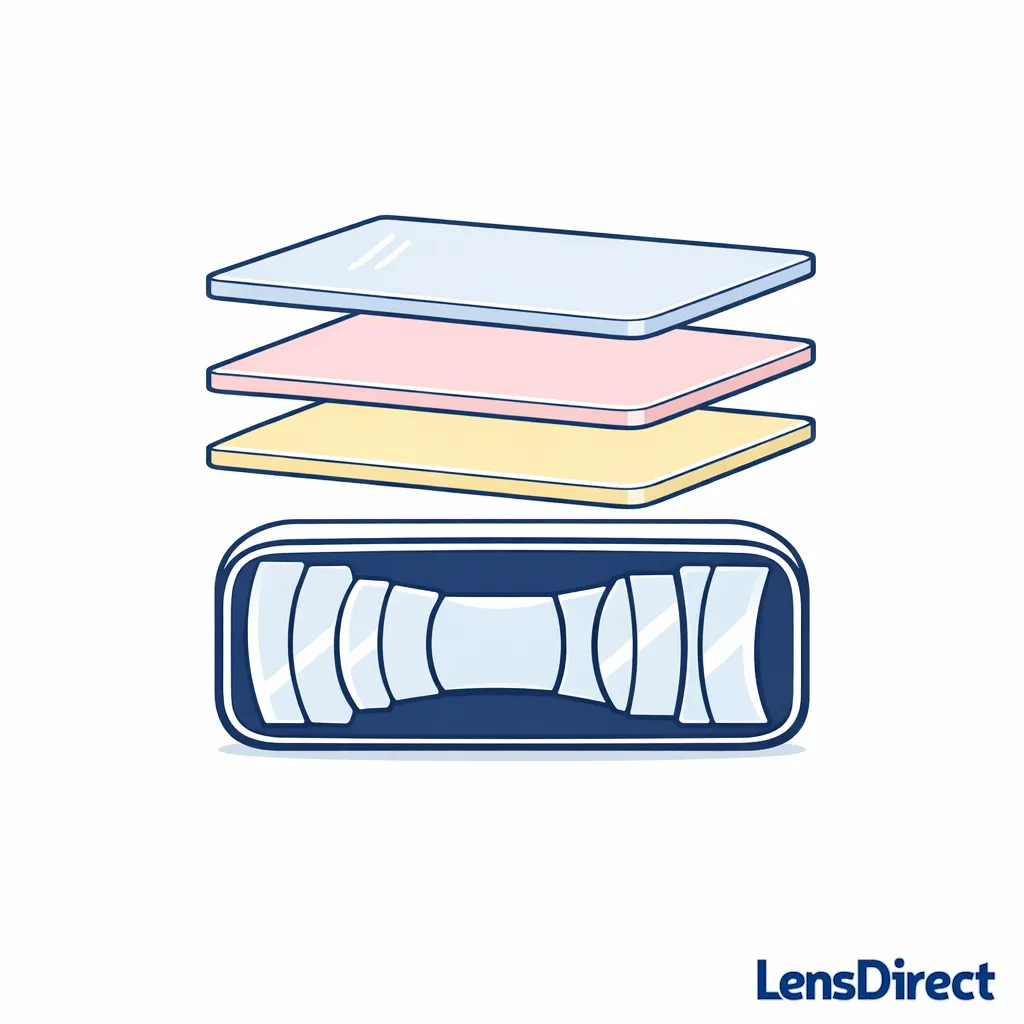
Anti-reflective coatings are commonly used to reduce reflections and improve cosmetic clarity, while scratch-resistant coatings help durability in everyday use. Tinting, polarization, and mirrored finishes are additional processes that may require extra handling and cure time depending on the lab’s equipment and workflow.
Because coatings bond to the lens surface, labs typically inspect lenses before and after coating for cosmetic quality. This is one of the reasons lens replacement is not simply “swap in a new piece of plastic” and done.
8) The lenses are edged to your frame and mounted
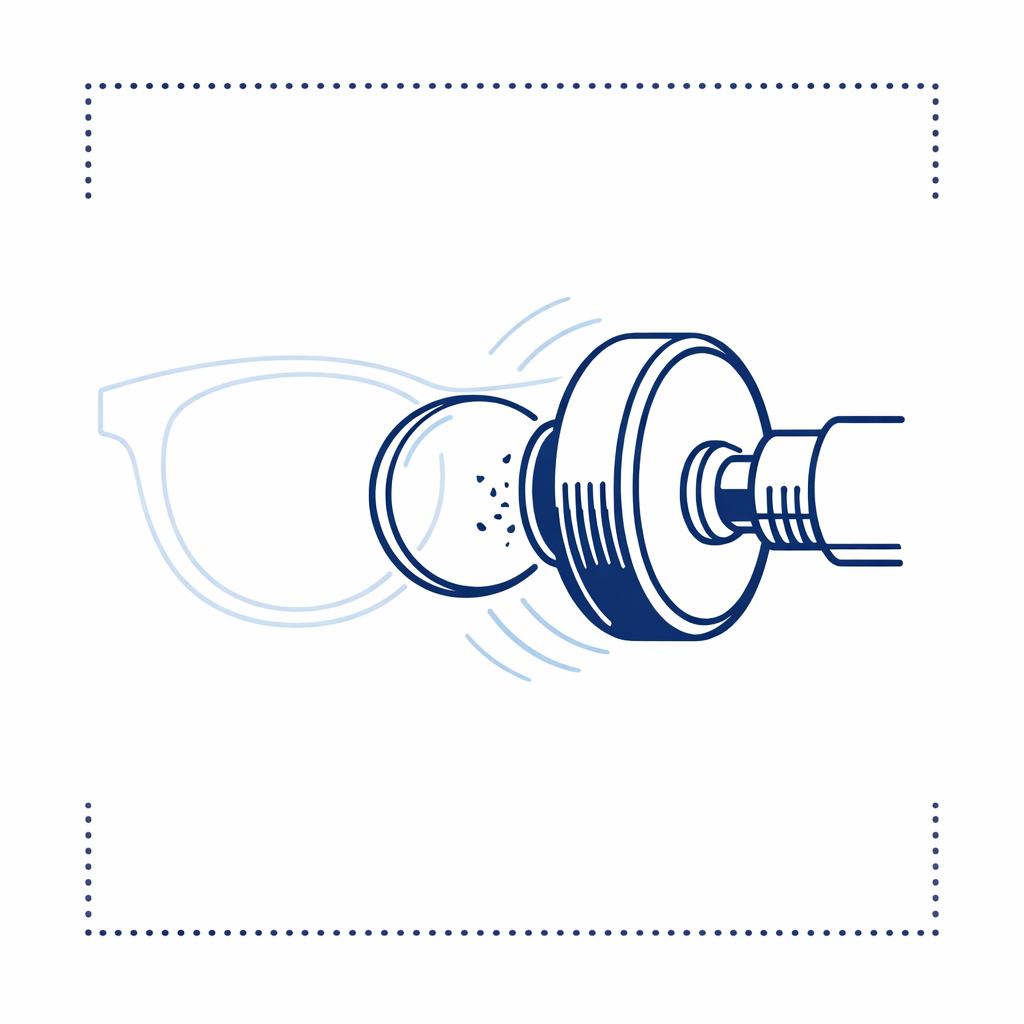
Edging is the step where the lenses are cut to the exact shape needed to fit your frame. The lab then mounts the lenses into the frame, checks alignment, and makes small adjustments so the lenses sit securely.
Certain frame types can be more time-sensitive here. For example, a tight full-rim fit may need careful edging tolerances, and rimless designs may require precise drilling and hardware alignment.
9) Final quality checks happen before the frames ship back
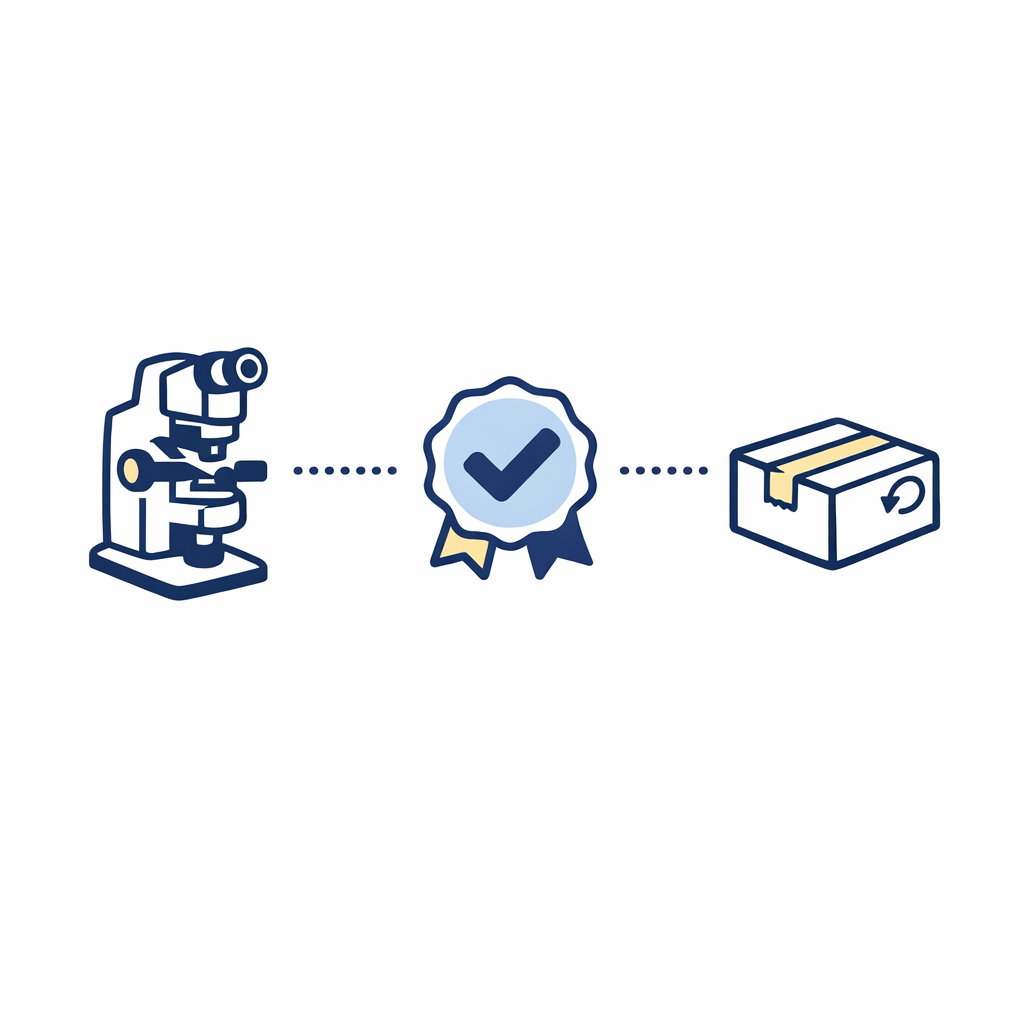
Labs commonly verify that the finished lenses match the ordered prescription and that the frame is assembled correctly. In the U.S., eyeglass lenses also have impact-resistance requirements tied to labeling and testing practices under FDA’s impact-resistant lens regulation (21 CFR 801.410), which is part of why inspection and handling steps matter.
Once the job passes final checks, the lab prepares the return shipment. Many providers include cleaning, basic adjustments, and protective packaging so your glasses arrive ready to wear.
Turnaround time for lens replacement: what drives the timeline
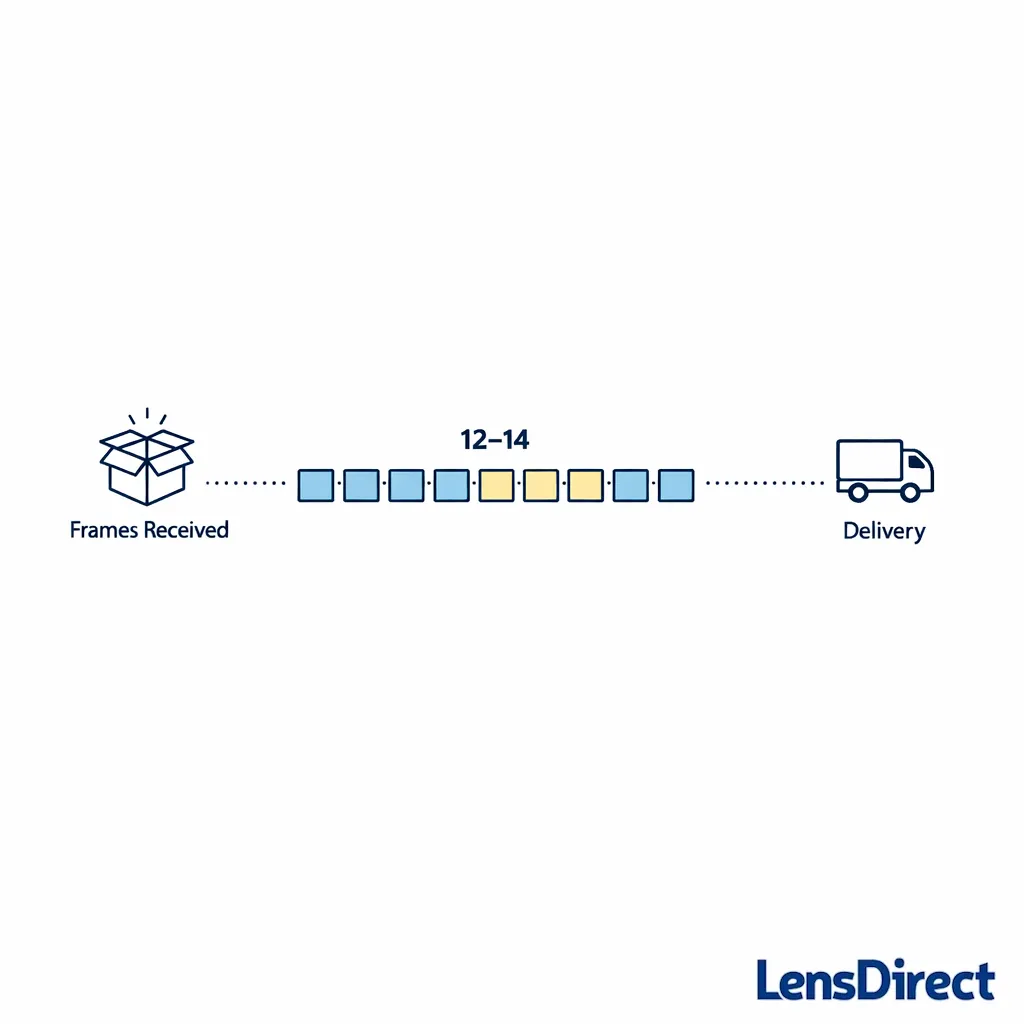
People often search for “turnaround time lens replacement” because they want a simple number. In reality, the total time is the sum of (1) getting your frames to the lab, (2) lab production time, and (3) shipping the finished glasses back to you.
Instead of promising a one-size-fits-all estimate, use the factors below to predict whether your order will run faster or slower than a basic single-vision clear-lens job.
Factors that can speed things up
- Simple lens design (single vision) and standard materials
- No specialty finishes (no mirror, no polarization, no complex tint requests)
- Sturdy full-rim frames that are straightforward to edge and mount
- Clear order details with no missing Rx information
Factors that can add time
- Progressives or prescriptions that require more careful design and verification
- Specialty coatings and sunglass treatments that add process steps
- Wrap/sport frames where curvature and fit constraints can limit lens options
- Frames needing extra care (old acetate, brittle plastic, loose hardware)
A sample lens replacement timeline (example only)
- Day 0: Order placed online and you receive ship-in instructions
- Days 1–4: Frames ship to the lab (depends on your carrier and distance)
- Days 4–10: Lab production (inspection, surfacing, coatings, edging, QC)
- Days 10–14: Return shipping and delivery
Use this as a planning model, not a promise. If you have a trip, a big event, or you rely on one pair of glasses, consider keeping a backup pair or ordering contacts as a temporary bridge.
What happens in an eyeglass lens lab (translated into plain English)
The eyeglass lens lab is where your prescription becomes a finished, wearable product. Even though the equipment is advanced, the lab’s job can be summarized in three goals: make the optics accurate, make the lenses fit your frame, and make sure the final pair is comfortable and safe to wear.
When you hear terms like “surfacing,” “edging,” or “freeform,” think of them as different stages of shaping and finishing. Each stage has its own checks, because a lens can be the right power but still fail on fit, cosmetics, or alignment.
Why labs care so much about measurement and alignment
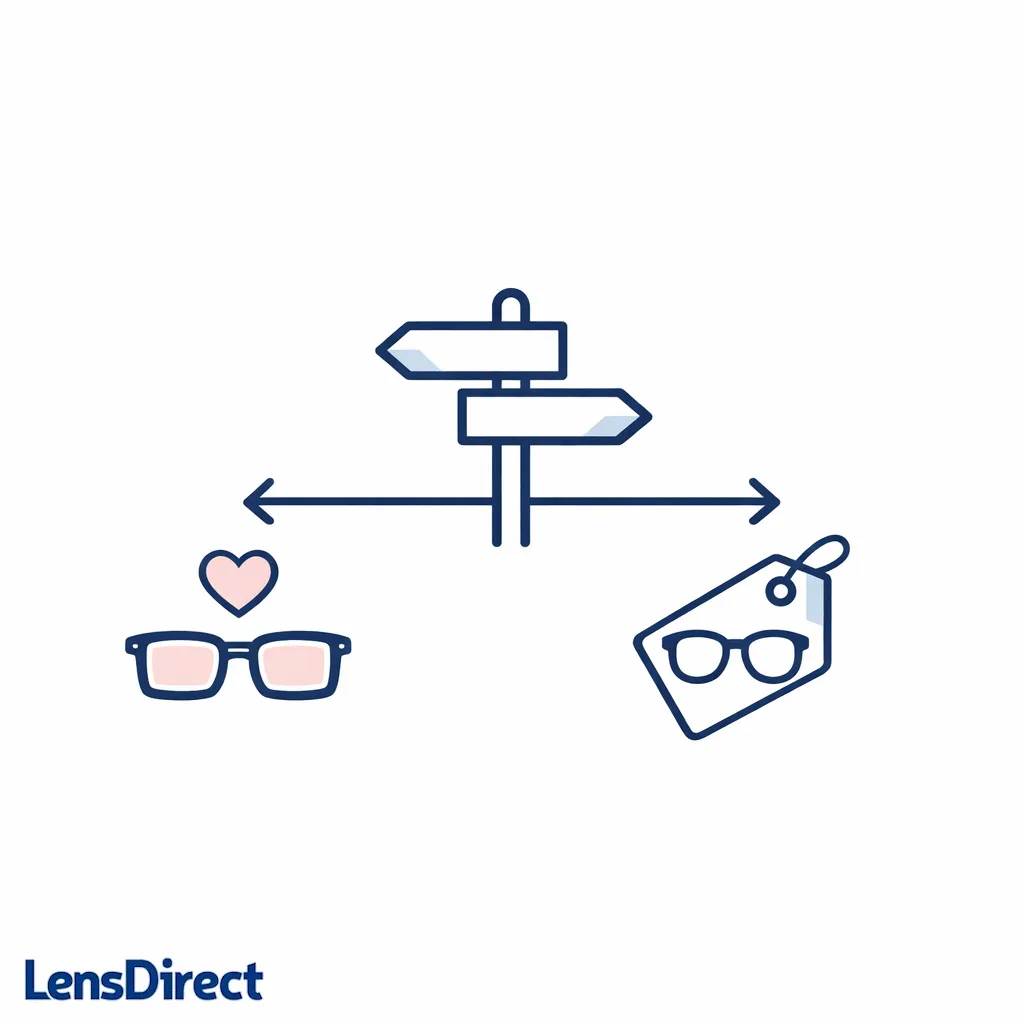
Your prescription is not just “a strength.” Lenses also need proper positioning so you naturally look through the intended optical area, especially for progressives where the viewing zones are built into the design.
That is why good labs treat measurement as part of manufacturing, not a clerical step. If you have ever tried glasses that felt “off” even when the prescription was correct, positioning and frame fit are often the reason.
Replacing lenses vs buying new glasses: how to decide
Replacing lenses in existing frames can be a smart value move, especially when your frame fits your face well and you already like how it looks. It can also be a way to upgrade to better lenses without paying for a full new frame package.
Buying a new pair can be simpler when your current frame is worn out, your style needs have changed, or you want a different shape that improves your visual comfort. If you are debating “replace eyeglass lenses” versus “new glasses,” ask yourself one question: do you love the frame enough to keep it another one to two years?
Quick decision checklist
- Keep the frames if the fit is great, the hinges are solid, and the style still works for you.
- Replace the frames if you see cracks, major warping, or frequent loosening that will keep returning.
- Consider sunglasses lens replacement if the frame is in good shape but the lenses are scratched or non-prescription.
Special cases: Ray-Ban, Oakley, and sport/outdoor sunglasses
Many people search for “Ray-Ban replace lenses” or “Oakley prescription lenses” because they already own a premium frame and want to refresh it. The biggest variable with sport and designer sunglasses is not the logo, it is the frame geometry.
What to think about for outdoor use
- Driving glare: polarized prescription sunglass lenses can help comfort in bright conditions.
- Snow/ski: mirror finishes and darker tints can feel better in intense light, but you still want clarity and good optics.
- Sports durability: coatings and lens material choices can affect weight, thickness, and scratch resistance.
If you are unsure whether your frame can accept your prescription, the safest approach is to ask the provider before you ship your only pair. A quick check can save you time and avoid disappointment.
Contacts wearers: how replacing glasses lenses compares to ordering contacts
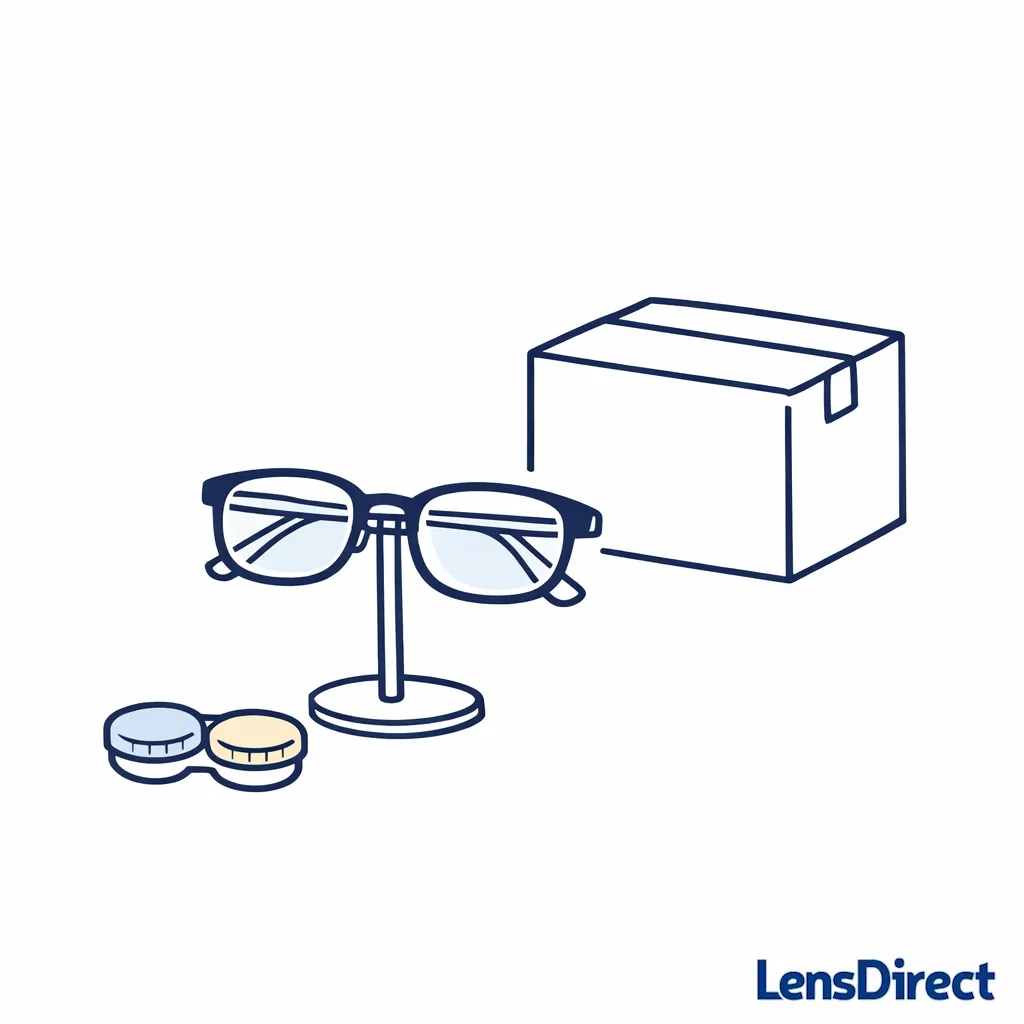
Contacts and glasses solve different problems, and many people use both. If you wear contacts for sports or travel, lens replacement for your glasses is often about keeping a comfortable, updated backup pair for mornings, red-eye flights, allergy days, or whenever your eyes need a break.
Unlike glasses, contacts are more strictly controlled at the point of sale. The FTC Contact Lens Rule describes requirements around having a valid prescription and verification processes, which is why contact lens ordering can involve prescription checks even when you know your brand.
For day-to-day comfort and safety, the CDC’s contact lens health guidance is worth following, especially around cleaning, replacement schedules, and water exposure. A good system is glasses at home, contacts for the activities they are best for, and updated prescriptions for both.
Common mistakes and misconceptions (and how to avoid them)
- “My old prescription is close enough.” If your vision has changed, “close” can still mean headaches, eye strain, or poor night driving. When in doubt, confirm with your eye doctor.
- “Any frame can take any lens.” Wrap frames, rimless mounts, and heavily worn frames can restrict what is possible or raise breakage risk during installation.
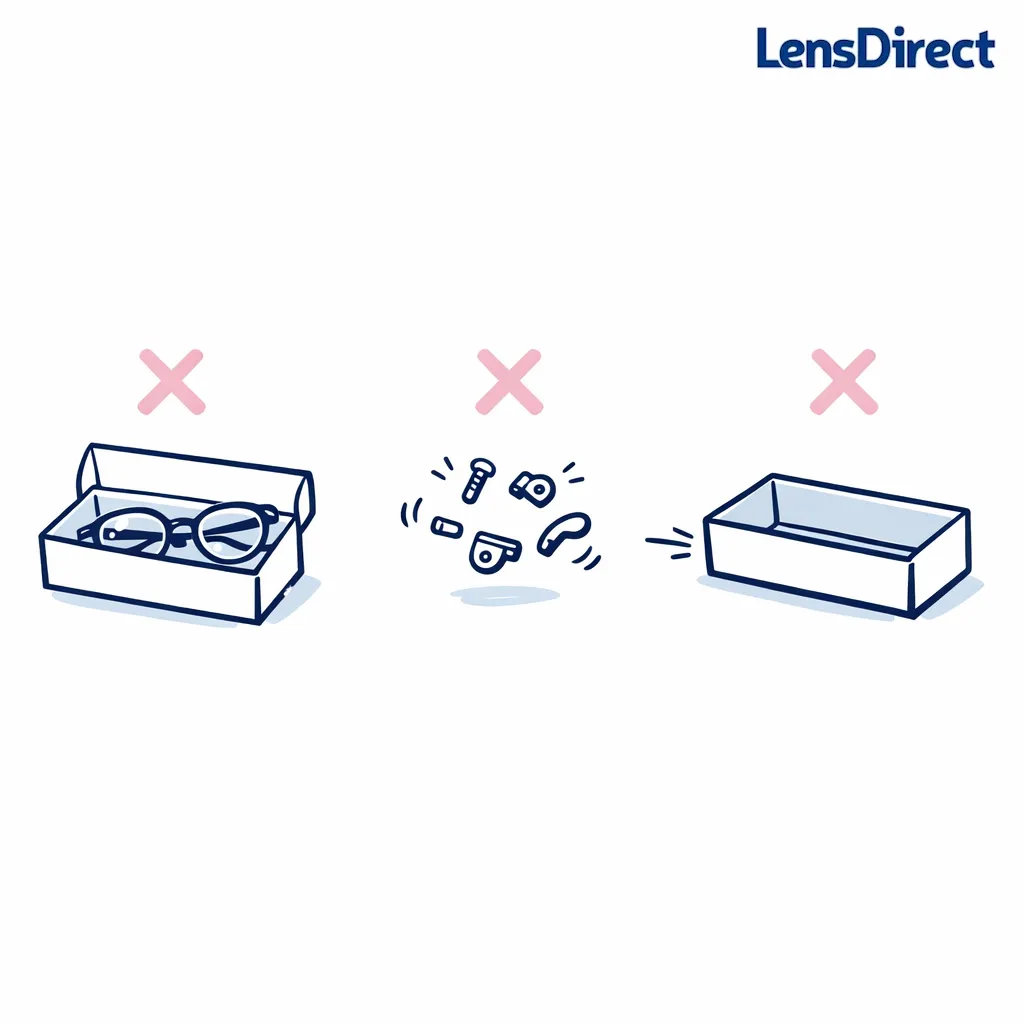
- “Shipping doesn’t matter.” Most preventable problems happen in transit. A hard case inside a box is the simplest protection you can give your frames.
- “Anti-reflective is only cosmetic.” Many people notice functional benefits like reduced glare from screens and headlights, not just a nicer look in photos.
- “If it feels weird, I should force myself to adapt.” Some adaptation is normal, but persistent blur, dizziness, or distortion should be checked promptly.
What to do next (practical checklist)
- Find your most recent prescription and make sure it includes the details you need (especially for progressives).
- Inspect your frames under good light for cracks, loose hinges, and warping.
- Decide on the lens goal: clearer daily vision, less glare, thinner lenses, or prescription sunglasses.
- Plan for downtime if these are your only glasses (keep a backup pair or contacts ready).
- Pack for protection: hard case, padding, sturdy outer box, and your order details.
- When in doubt, ask first if your frame type or prescription is a special case.
Replace lenses or refresh your whole look with LensDirect
If you want a straightforward way to replace eyeglass lenses by mail, LensDirect is built for people who value convenience and clear options. Whether you are updating everyday glasses, upgrading prescription sunglass lenses for driving glare, or keeping a dependable backup for contact lens days, the goal is the same: comfortable vision without extra hassle.
- Shop Glasses if you want a full new pair and the simplest reset.
- Shop Contacts if you want an easy backup plan for travel, sports, or dry-eye days.
- Replace Your Lenses if you love your frames and just want new prescription lenses.
- Browse Best Sellers if you want quick ideas that match what other shoppers choose most often.
- Find Your Fit if you want help narrowing down frame shapes and comfort.
- Compare Options if you are deciding between single vision, progressives, or prescription sunglasses lenses.
- Learn More if you want to understand lens types, coatings, and what to expect before you ship your frames.
Author

Subscribe to our email newsletter to get the latest posts delivered right to your email.