
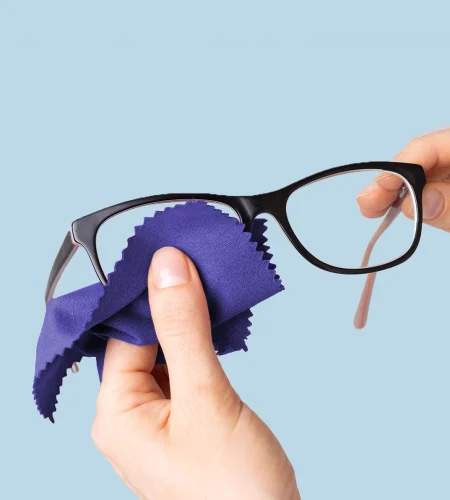
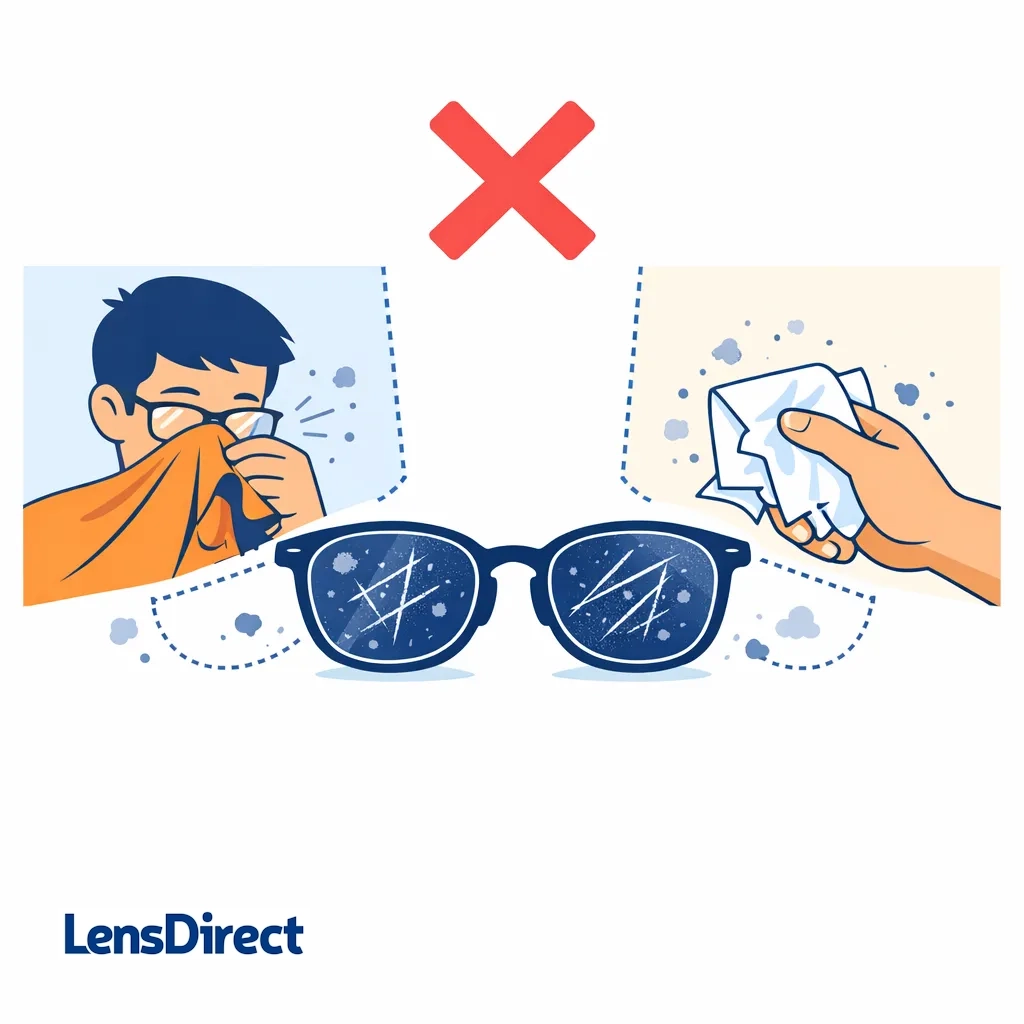
A scratched lens is one of those “how did that happen?” problems — because most scratches don’t come from dramatic accidents. They come from everyday habits: wiping lenses while they’re dusty, using the wrong fabric, or tossing glasses into a bag unprotected.
The good news is that keeping your lenses clean without scratching them isn’t complicated.
It’s mostly about the right order of steps and a few “never do this” rules.
Below is a simple, reliable routine (plus a do’s & don’ts list) you can follow whether you wear everyday eyeglasses or sunglasses with coatings like anti-reflective (AR), blue-light filtering, or photochromic (Transition-style) lenses.
Why glasses scratch so easily (even when you’re being careful)
Most lens scratches are basically tiny abrasions. Here’s why they happen so often:
- Dust and grit act like sandpaper. If you wipe lenses before rinsing, you can drag particles across the surface.
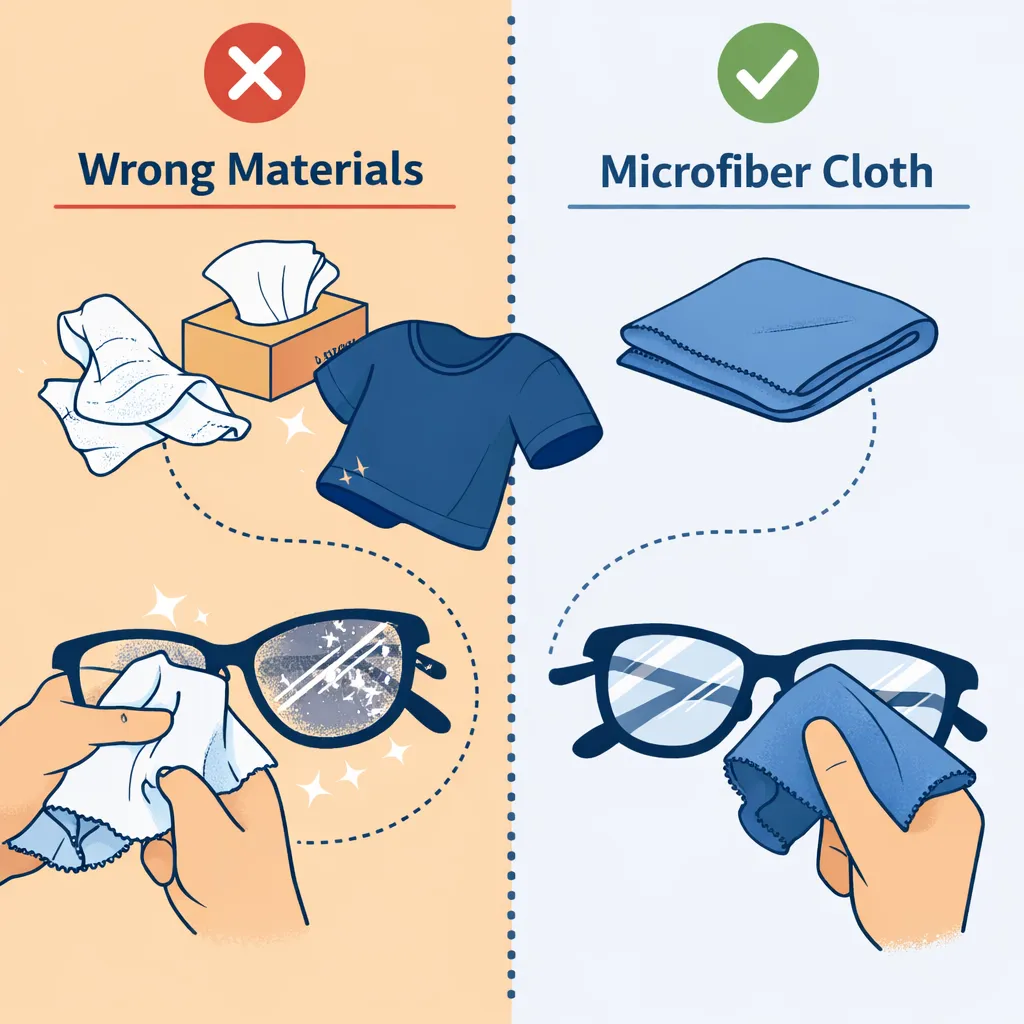
- Wrong materials are surprisingly rough. Paper towels, tissues, napkins, and clothing can all contain fibers or texture that scuff lenses.
- Cleaning products can damage coatings. Some household cleaners strip or weaken protective coatings, which makes lenses more vulnerable over time.
The biggest takeaway: Always remove debris first, then clean. Dry-wiping is the #1 scratch risk.
The “no scratches” cleaning rule in one sentence
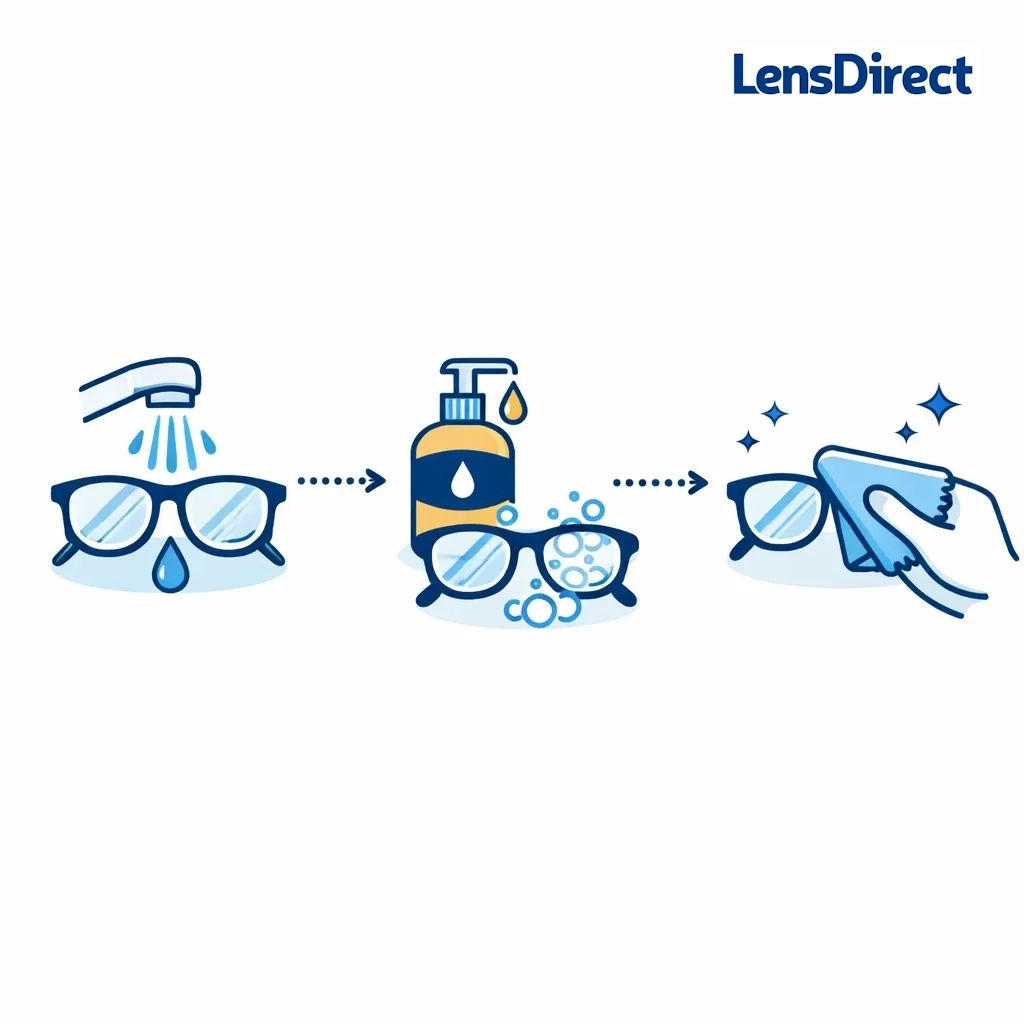
Rinse first, wash gently, then dry with a clean microfiber cloth.
If you do only that — consistently — you’ll dramatically reduce scratches.
The best way to clean glasses (the safe, everyday method)
This routine is fast enough for daily cleaning and safe for most lenses and coatings.
Step 1: Wash your hands
Use soap and water, then dry with a lint-free towel.
Dirty fingertips can smear oils onto the lens and create more rubbing later.
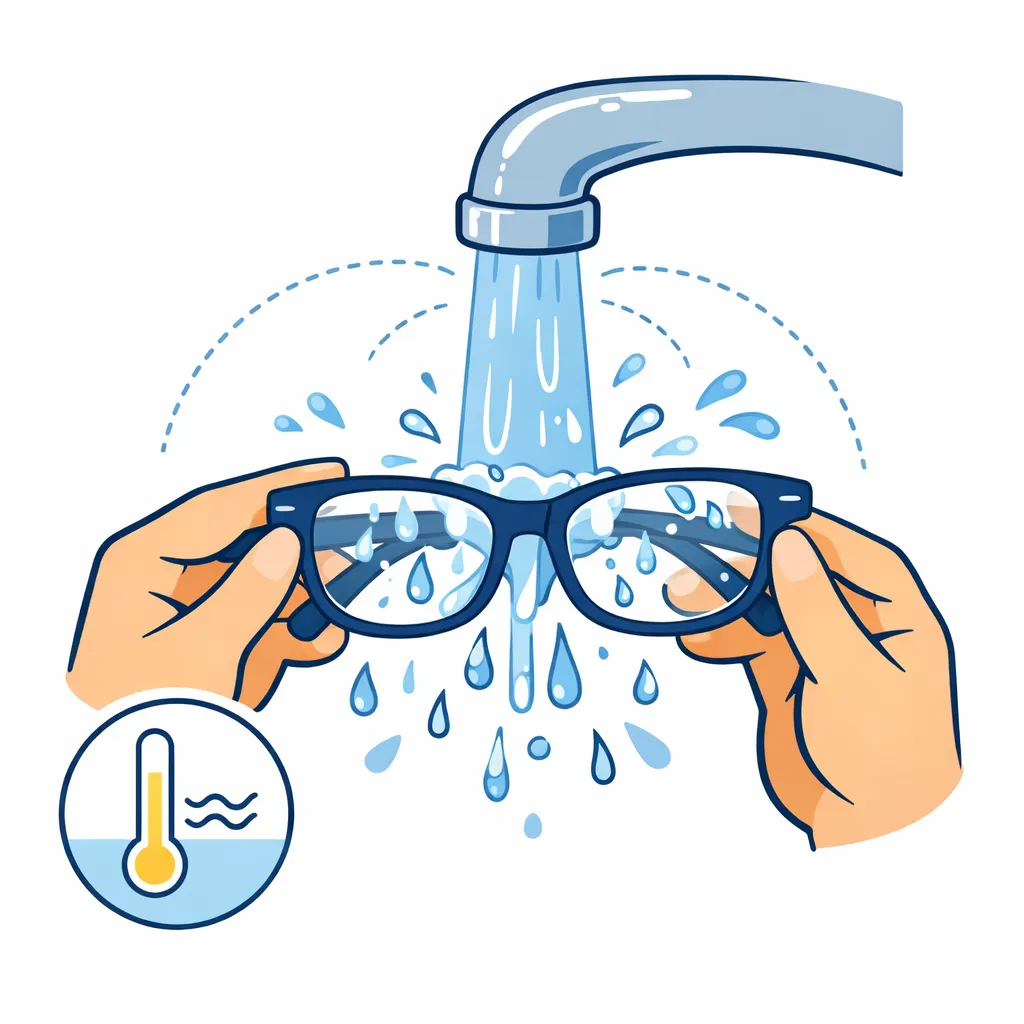
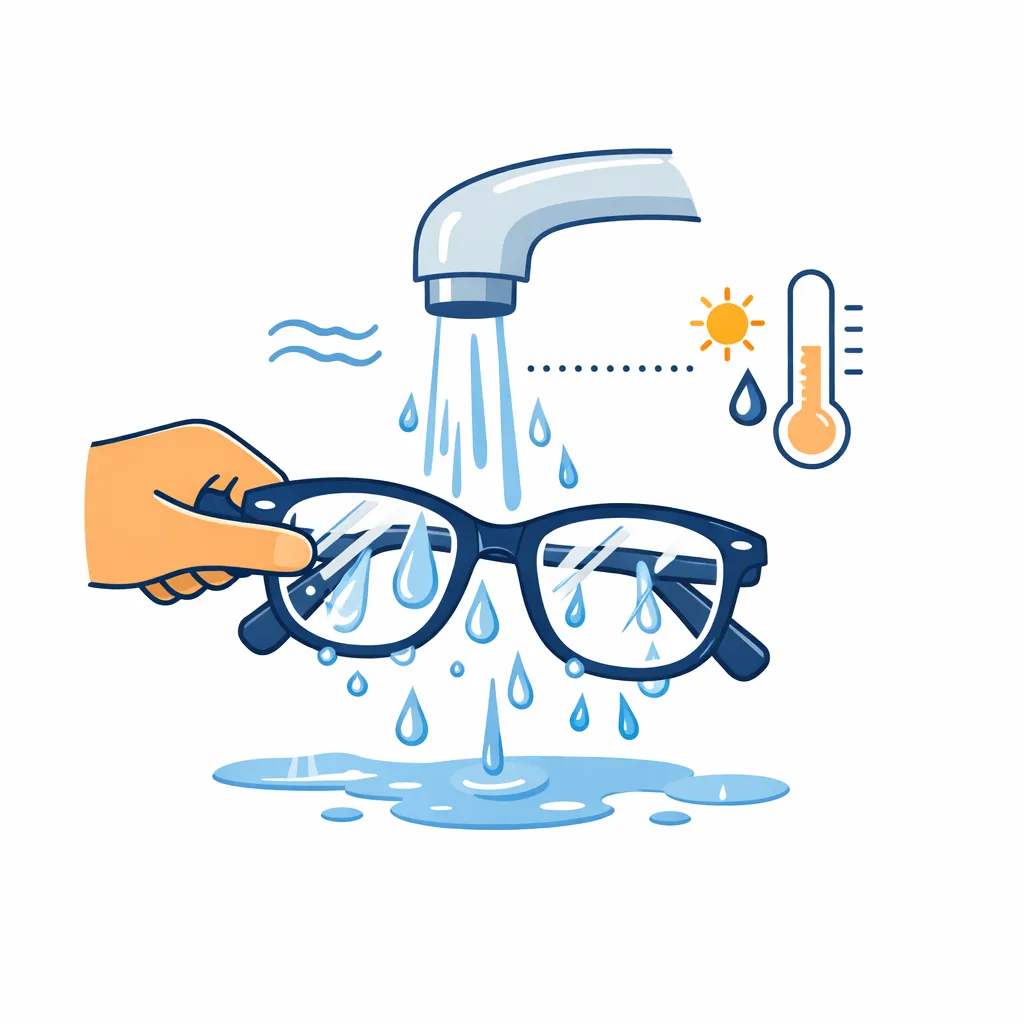
Step 2: Rinse your glasses with lukewarm water
Hold your glasses under a gentle stream to remove dust and grit.
Avoid hot water, which can stress some coatings over time.
Step 3: Use a tiny drop of lotion-free dish soap
Put a small drop on your fingertips and gently clean:
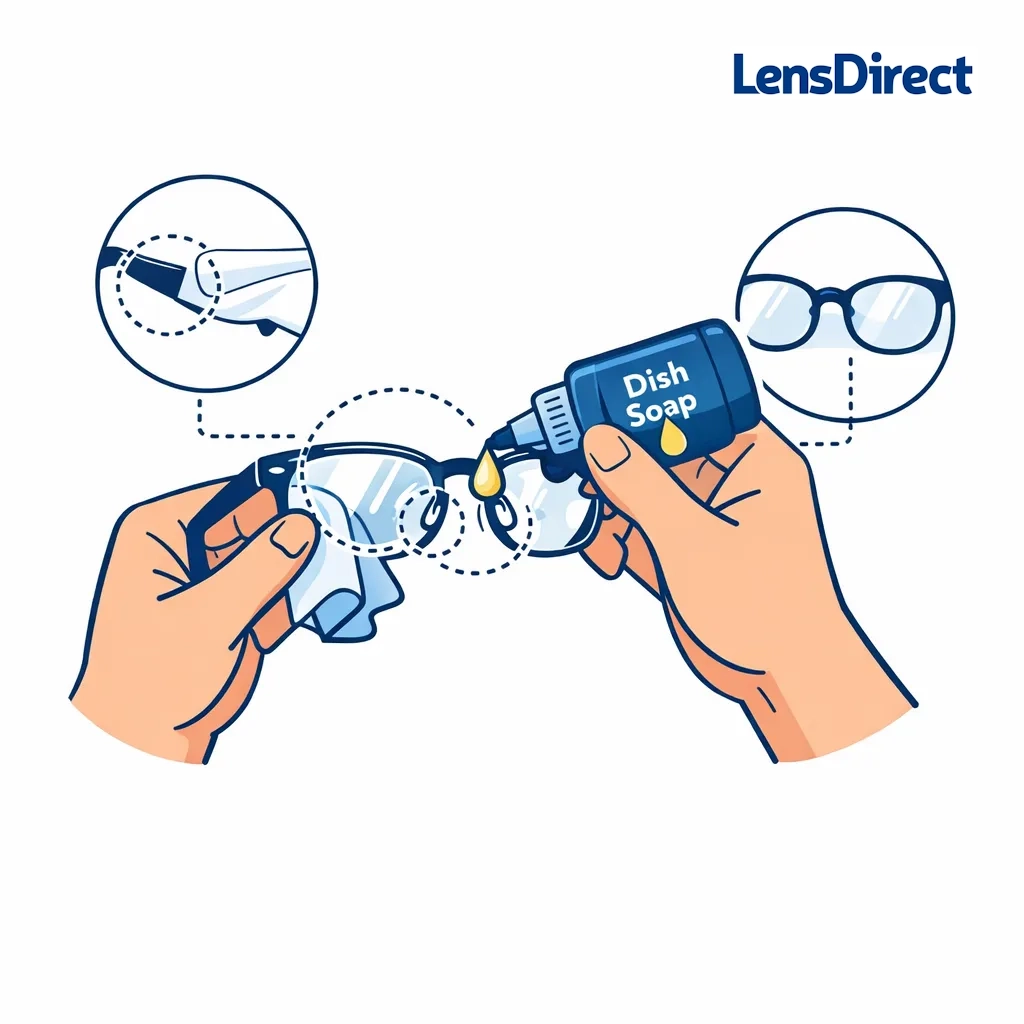
- both sides of each lens
- the nose pads
- the temples (arms)
- the frame around the lenses (where oils build up)
Tip: Choose a basic dish soap (no lotions, no “moisturizing” additives). Those extras can leave residue.
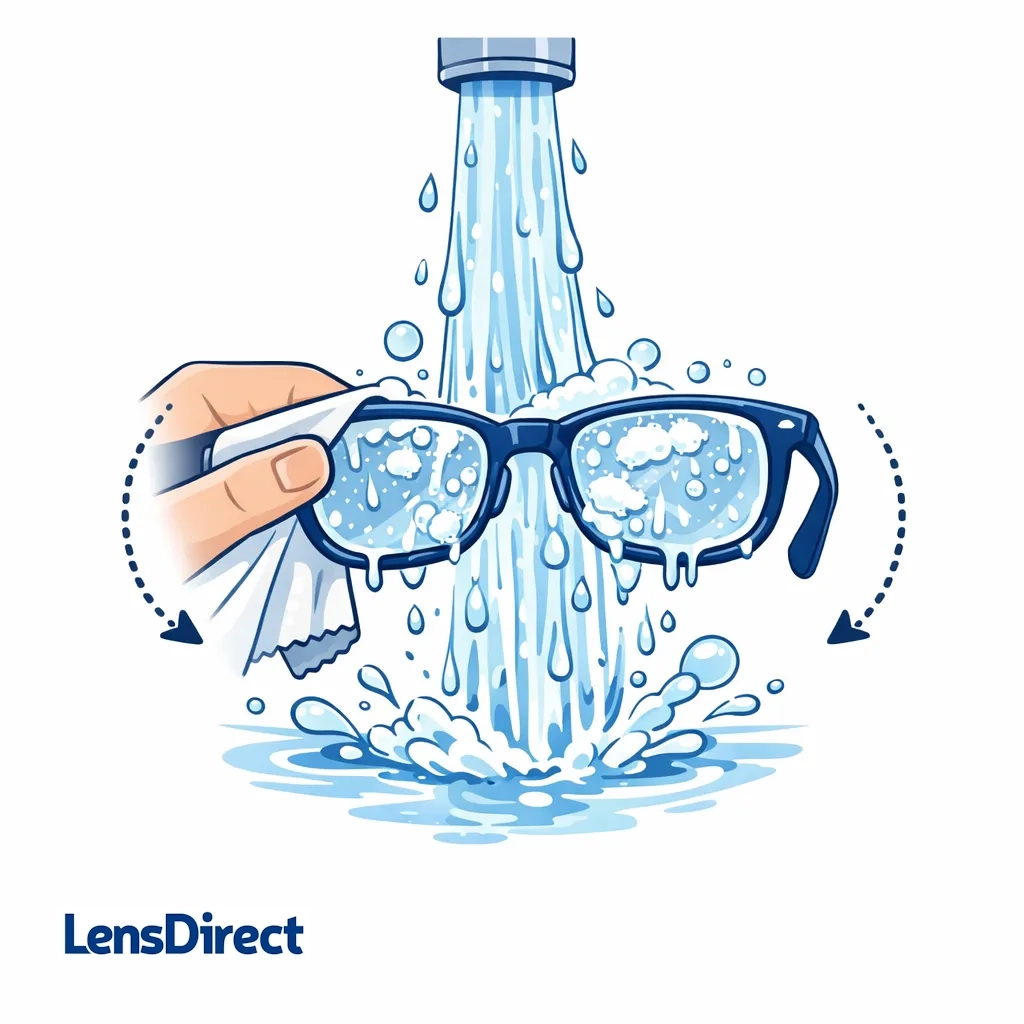
Step 4: Rinse thoroughly
Any leftover soap can cause smears that tempt you into extra rubbing.
Step 5: Dry the right way
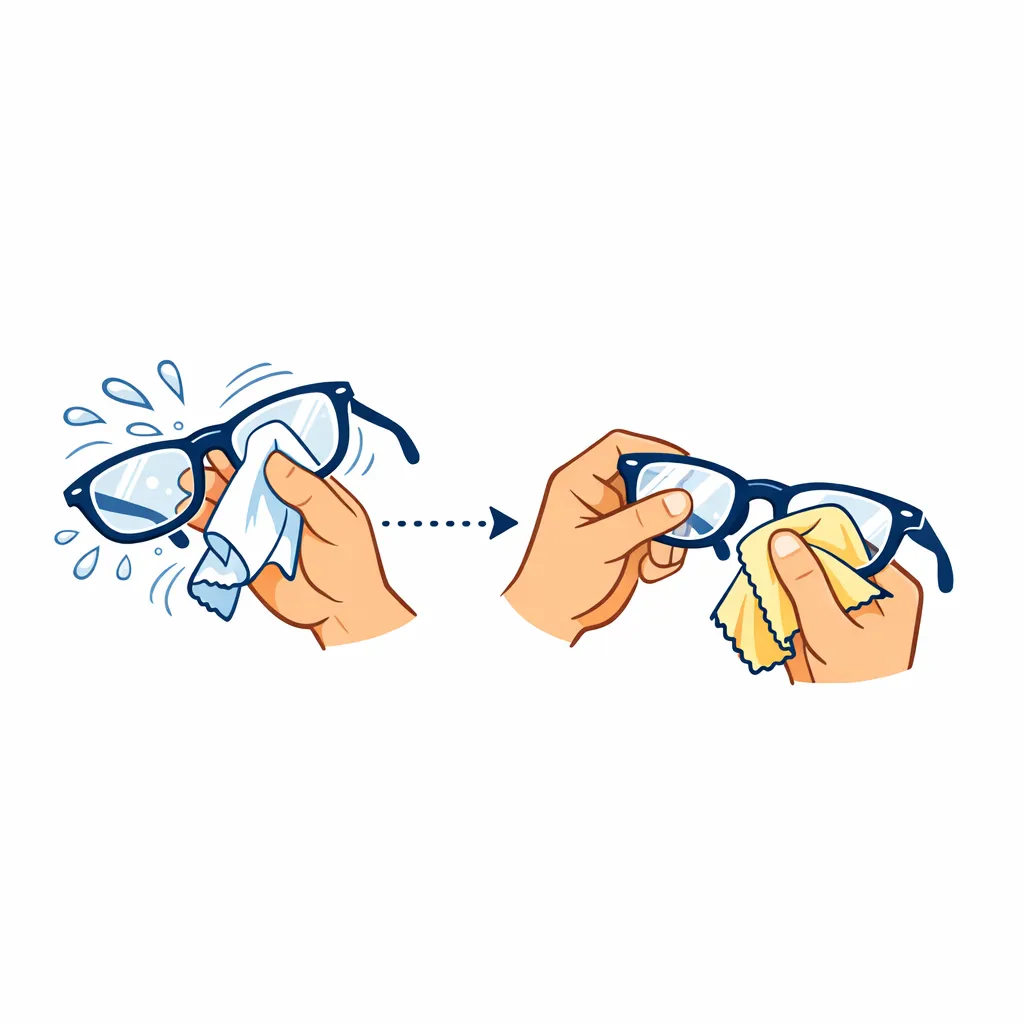
- Shake off excess water first.
- Blot, don’t aggressively rub, using a clean microfiber cloth.
- Finish with gentle, straight strokes if needed.
If you’re getting streaks, your cloth may have oil buildup (more on that below).
Deep-clean routine (when lenses feel greasy or keep smearing)
If your glasses still look cloudy after the standard method, it’s usually one of two things: skin oils or product residue (hair spray, sunscreen, moisturizer, etc.). Try this:
- Rinse lenses with lukewarm water.
- Wash with a tiny drop of lotion-free dish soap.
- Rinse thoroughly.
- Dry with a microfiber cloth that’s been recently washed (or use a fresh one).
- If needed, finish with a lens-safe spray cleaner and a final microfiber wipe.
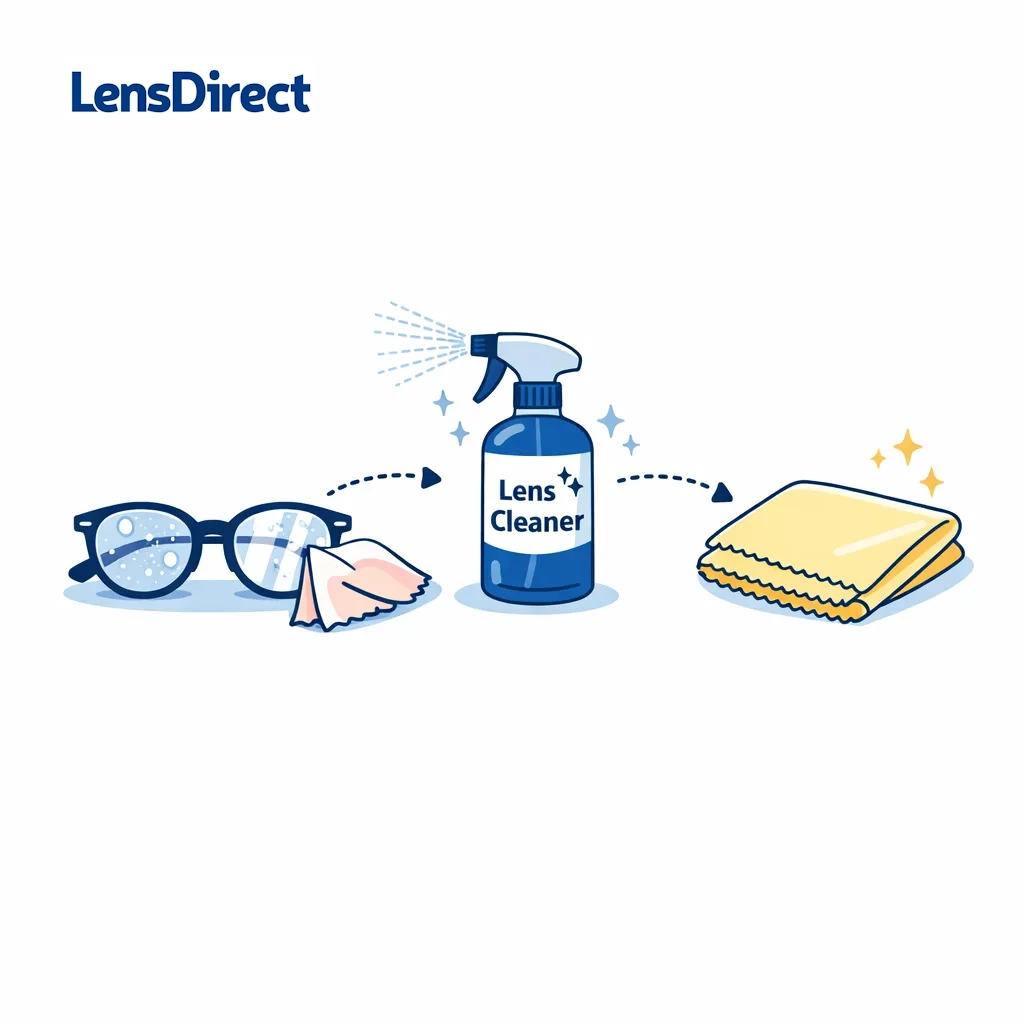
This “reset” is especially helpful for sunglasses used outdoors (sunscreen is a lens smear machine).
Quick clean on the go (without risking scratches)
Sometimes you don’t have a sink. Here’s the safest approach:
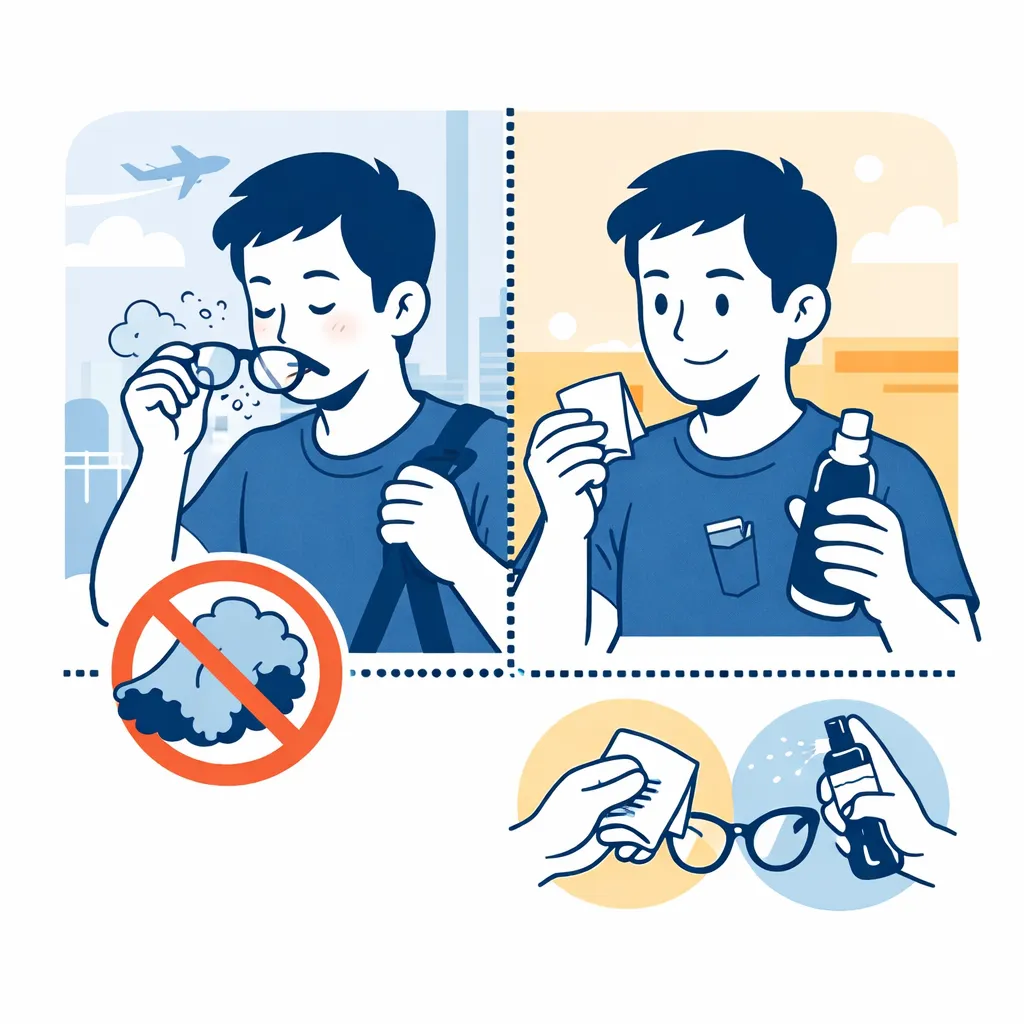
- Blow off loose dust (a few strong puffs can help).
- Use lens spray or a pre-moistened lens wipe designed for coated lenses.
- Wipe gently with microfiber, using light pressure.
If your lenses are visibly dusty or gritty and you don’t have spray/water, the safest move is: don’t wipe yet. Wait until you can rinse them. A few minutes of smudges beats permanent scratches.
DO’s & DON’Ts: the no-scratch checklist
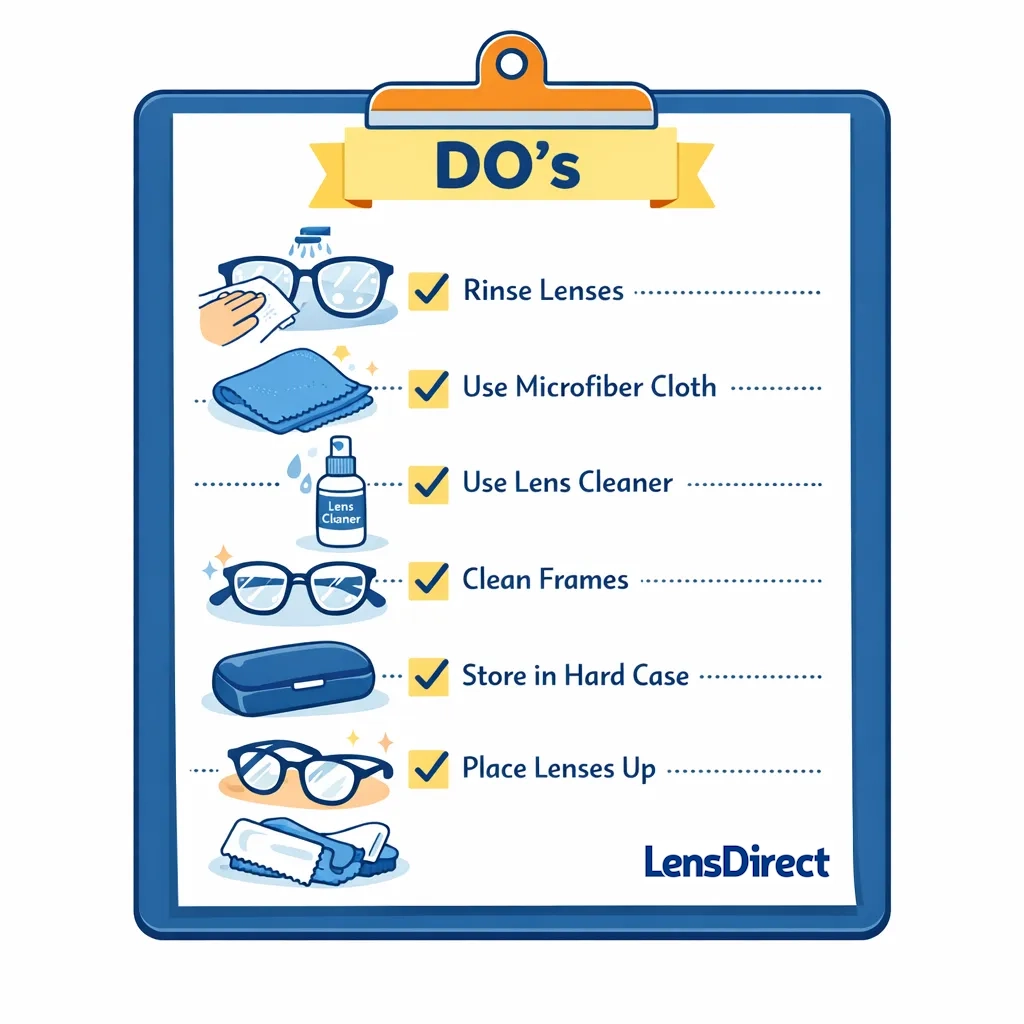
DO
- Rinse lenses before wiping whenever possible.
- Use a clean microfiber cloth (and replace it when it starts smearing).
- Use lens cleaner made for eyewear (or the soap-and-water method).
- Clean your microfiber cloth regularly (details below).
- Clean the frames too — oil buildup around the lens edge causes constant smudging.
- Store glasses in a hard case when you’re not wearing them.
- Set glasses down lenses-up to avoid scuffs from countertops.
DON’T
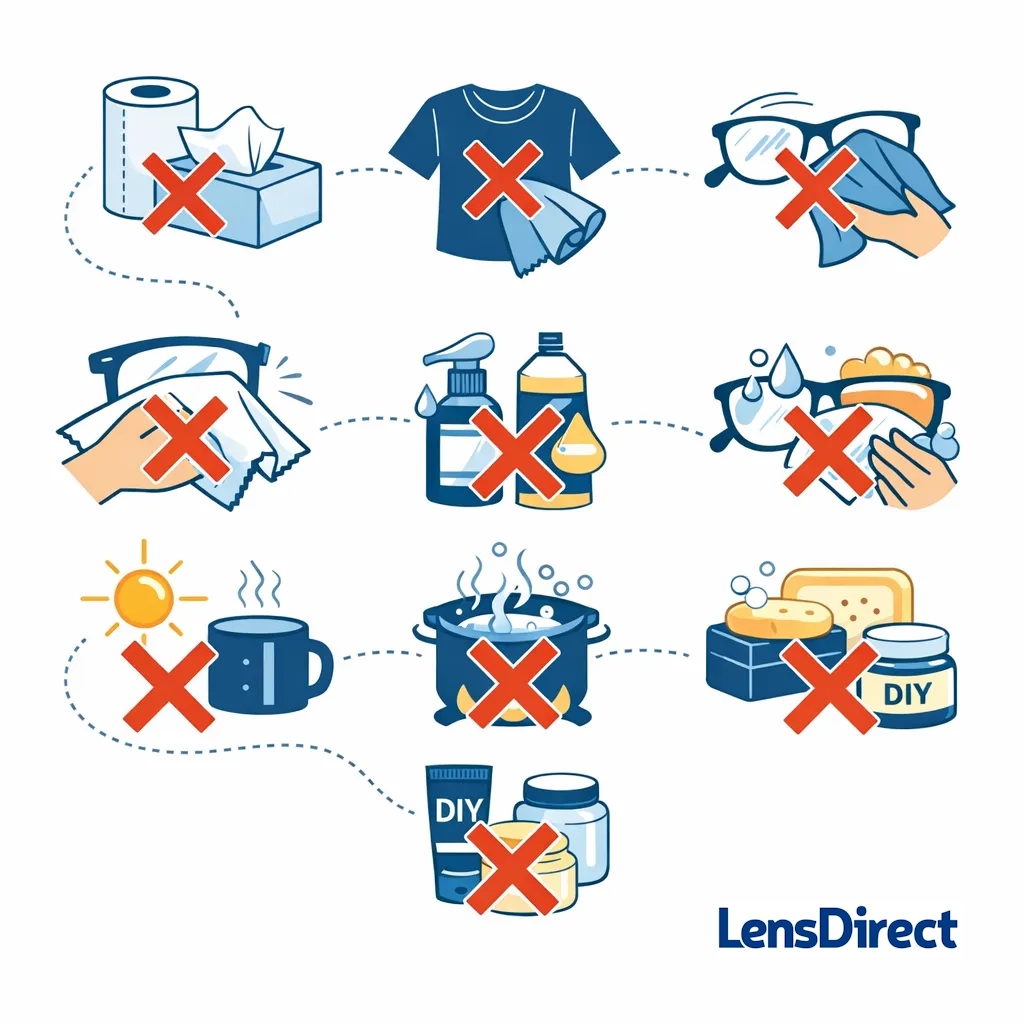
- Don’t use paper towels, tissues, or napkins. They can be abrasive and often contain wood fibers.
- Don’t wipe lenses with your shirt, hoodie, or whatever fabric is nearby — especially if it’s dusty.
- Don’t clean lenses dry (unless you’re using a proper pre-moistened lens wipe).
- Don’t use household cleaners like window cleaner, vinegar mixes, bleach, or anything with ammonia.
- Don’t use “moisturizing” soaps or anything with lotion — residue = streak city.
- Don’t use hot water or leave glasses in hot environments (like a car dashboard), which can degrade coatings.
- Don’t polish scratches with DIY hacks (toothpaste, baking soda, etc.). These can worsen damage and strip coatings.
Microfiber cloth care (the detail most people miss)
A microfiber cloth is only “safe” when it’s clean. If it’s loaded with oils and tiny debris, it can smear — or worse, drag particles across the lens.
How to wash microfiber cloths:
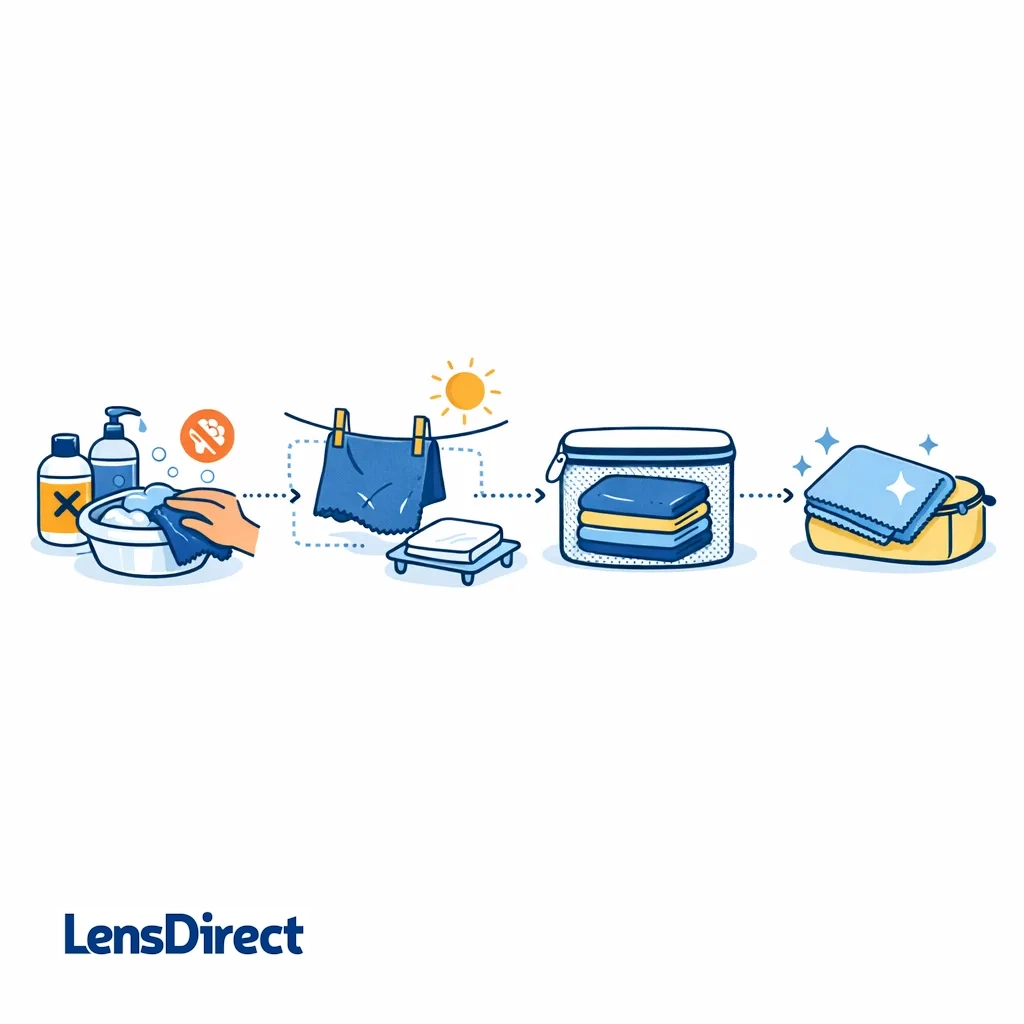
- Hand wash or machine wash in warm water.
- Use a small amount of mild detergent.
- Do not use fabric softener (it coats fibers and reduces cleaning performance).
- Air dry or tumble dry on low heat.
- Store cloths in a clean drawer or a small zip pouch.
If your cloth still smears after washing, it may be saturated with oils over time. At that point, it’s a “backup cloth,” not your daily driver.
Special lens types and coatings: anything different?
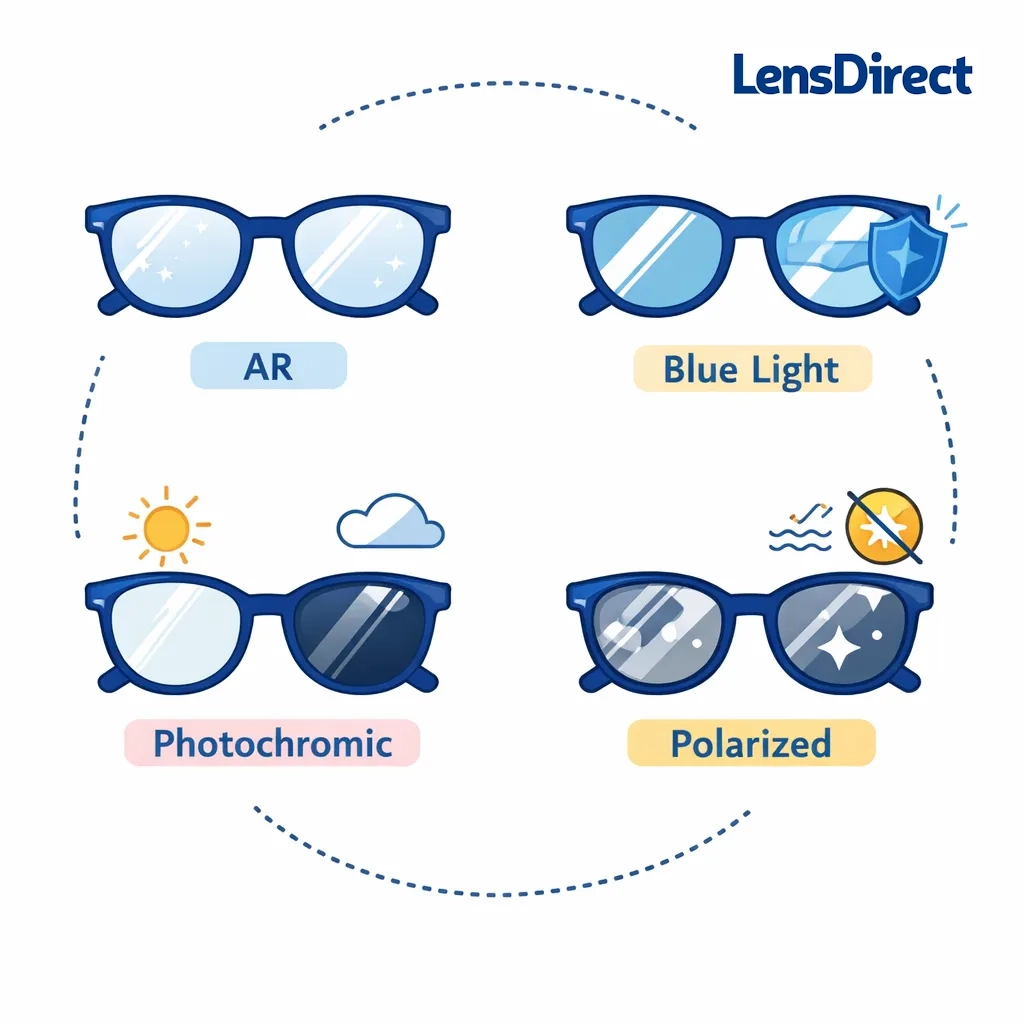
Most modern lenses have coatings (AR, anti-smudge/oleophobic, UV, mirror coatings for sunglasses, etc.). The routine above is generally safe — but keep these notes in mind:
- Anti-reflective (AR) coatings: Super common, slightly more sensitive to harsh chemicals. Stick to soap-and-water or lens-safe cleaner.
- Blue-light filtering lenses: Clean the same way; just avoid harsh cleaners.
- Photochromic lenses: Same method; avoid heat and harsh chemicals to protect the coating performance.
- Polarized or mirrored sunglasses: Use the same gentle approach, and avoid abrasive wipes. Mirror coatings can show fine scuffs more easily.
If you ever notice your lenses developing a permanent haze (not smudges), that can be coating wear. It’s not always fixable with cleaning.
Frame cleaning tips (because smudges start here)
If your lenses constantly look dirty, your frames might be the culprit.
- Nose pads: Oils build up fast. Clean gently with soap and water.
- Temple tips (arms): Skin oils and hair products collect here.
- Lens edges: The groove around the lens loves to trap gunk.
Use a soft toothbrush only on the frame if you need help in tight areas — just keep it away from lens surfaces to avoid accidental scuffs.
What to do if you already have scratches
First: don’t beat yourself up. It happens.
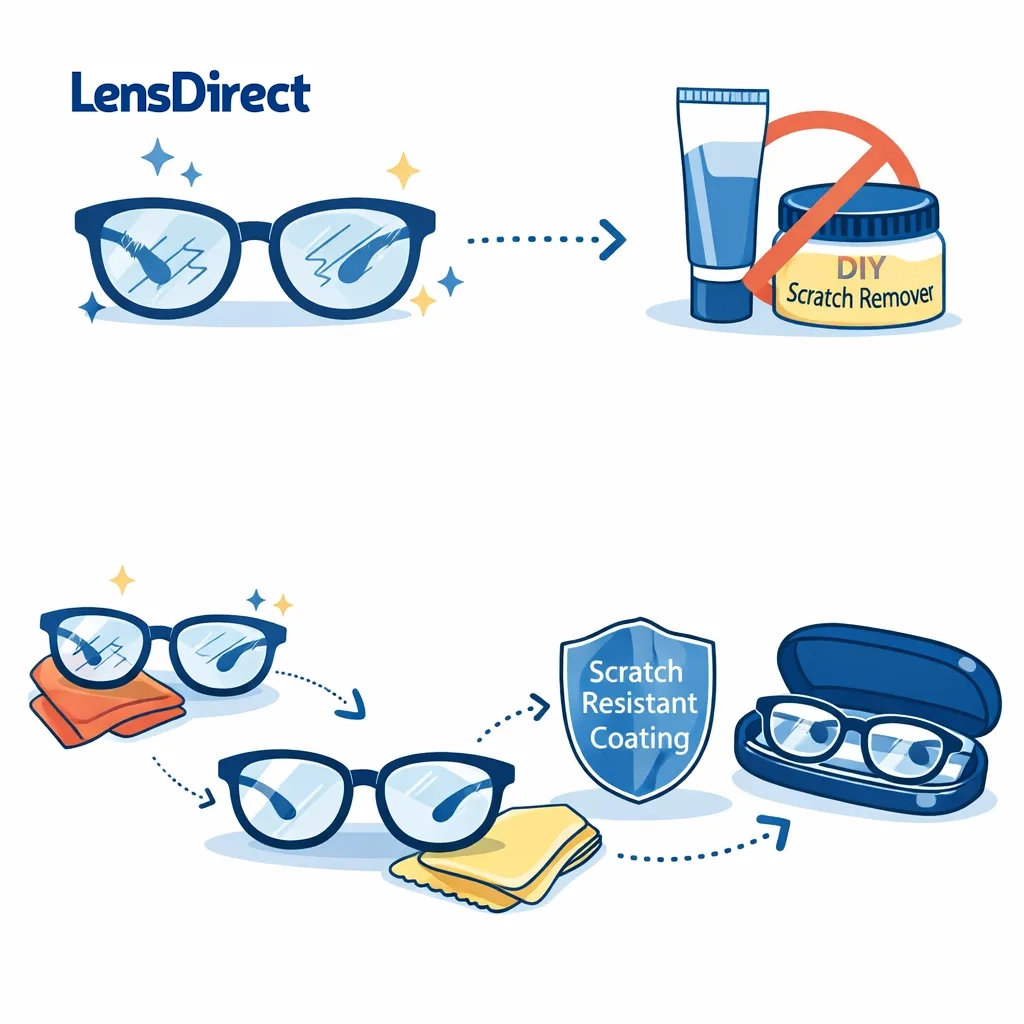
- Skip DIY scratch removers. Most “home fixes” are abrasives that can damage coatings and make the lens look worse.
- If scratches are minor, you may notice them mostly in bright light or when driving at night.
- If scratches affect vision, it’s usually time to replace the lenses (or the whole pair).
Pro tip: If you’re rough on glasses (outdoors, sports, kids, job sites), consider lenses with stronger scratch-resistant coatings and keep a hard case in your daily bag.
Get Cleaner Glasses with LensDirect
Scratch-free cleaning is all about one habit: don’t wipe grit around. Rinse first, wash gently, and dry with a clean microfiber cloth. Once that becomes your default, your lenses stay clearer, your coatings last longer, and you’ll spend way less time fighting smears.
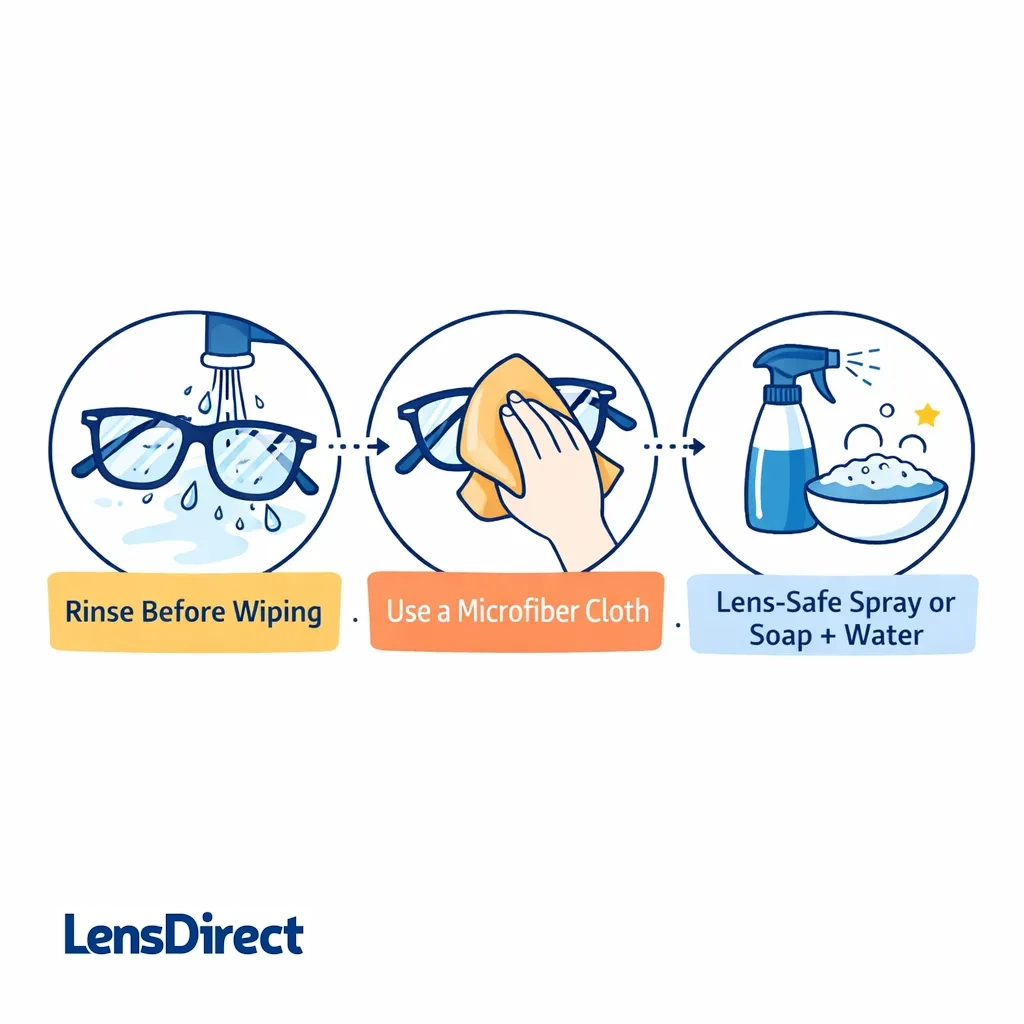
If you’re due for a new pair (or a backup pair for travel), LensDirect makes it easy to find glasses and sunglasses that fit your style — and keep them looking new longer with the right care routine.
Frequently Asked Questions
Can I use rubbing alcohol on glasses?
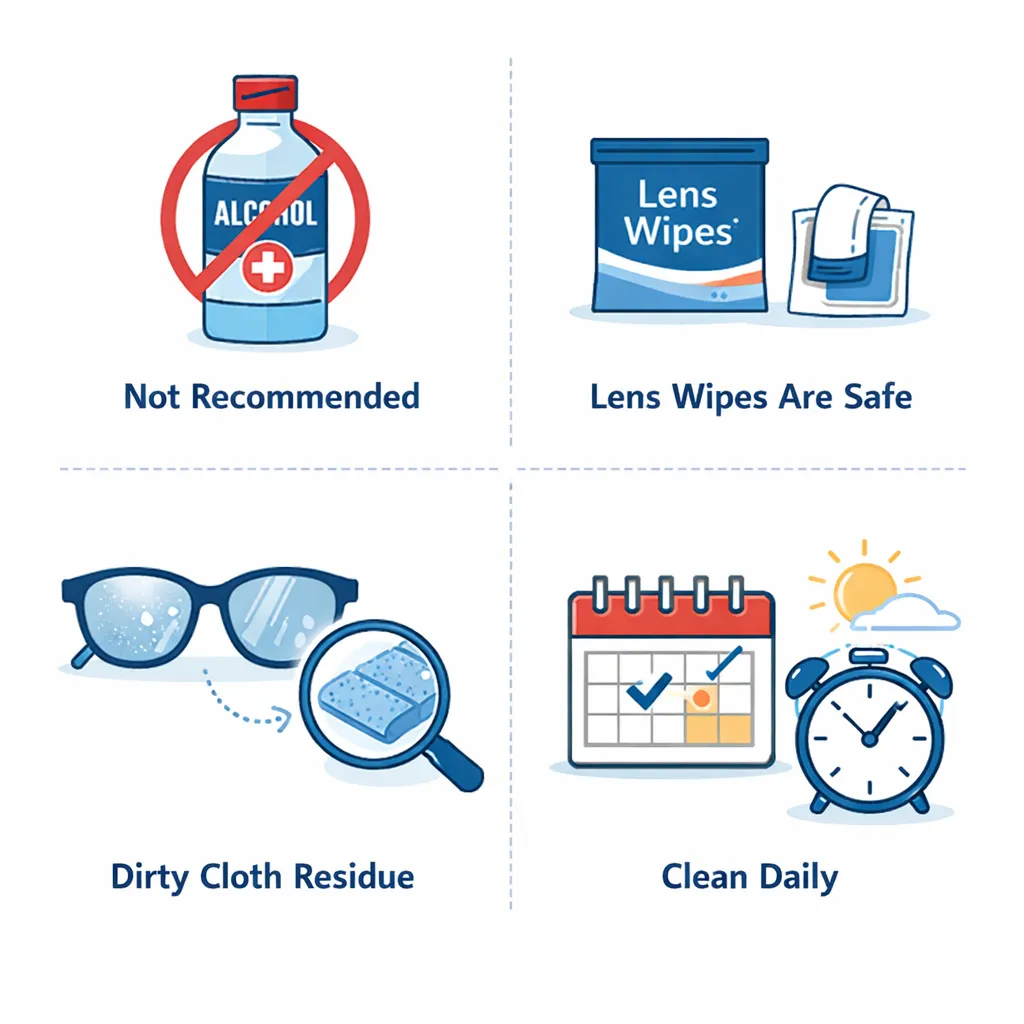
It’s not the best idea. Alcohol can be harsh on certain coatings over time. Use lens-specific spray or the soap-and-water method.
Are pre-moistened lens wipes safe?
If they’re made for coated lenses, yes — great for travel. Avoid generic wipes not intended for eyewear.
Why do my lenses smear even after cleaning?
Usually it’s residue (from lotion soaps, skin oils, or hair products) or a microfiber cloth that’s oily. Do a deep clean and use a freshly washed cloth.
How often should I clean my glasses?
A light clean daily (or every other day) prevents buildup and reduces the temptation to rub harder later.
Author

Subscribe to our email newsletter to get the latest posts delivered right to your email.