

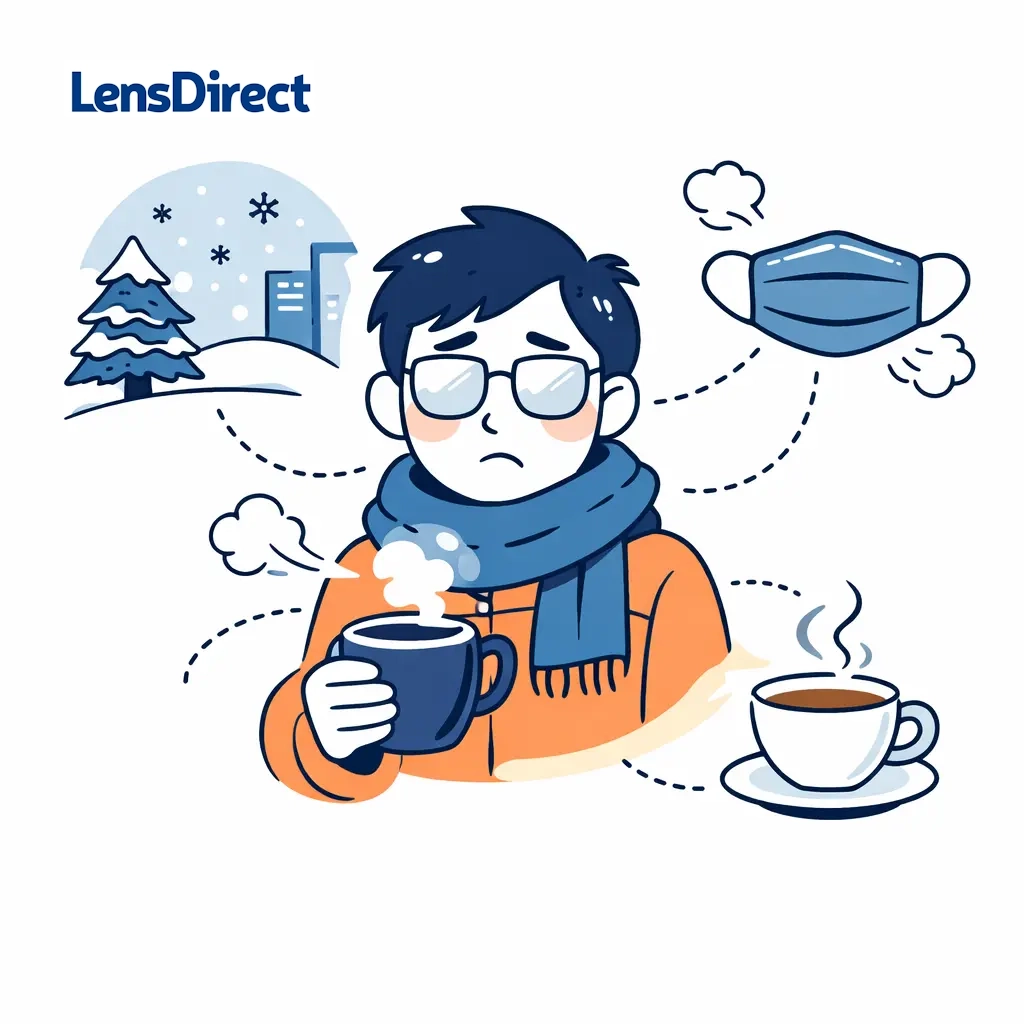
You walk outside on a cold morning and — boom — your lenses go opaque. Or you take a sip of hot coffee, step into a warm store, pull on a face mask, open the dishwasher… and suddenly you’re living in a soft-focus movie you didn’t ask to star in.
Lens fog is annoying, but it’s also fixable.
The key is understanding why glasses fog in the first place and then choosing the right anti-fog strategy for your lenses, lifestyle, and (very importantly) your lens coatings.
Below are practical anti-fog tips that work in real life — plus what to avoid so you don’t accidentally ruin your lenses.
Why glasses fog (the 10-second science)
Fog happens when warm, moist air hits a cooler lens surface. The moisture condenses into tiny droplets that scatter light — so your lenses look “white” and hazy.
Common fog triggers:
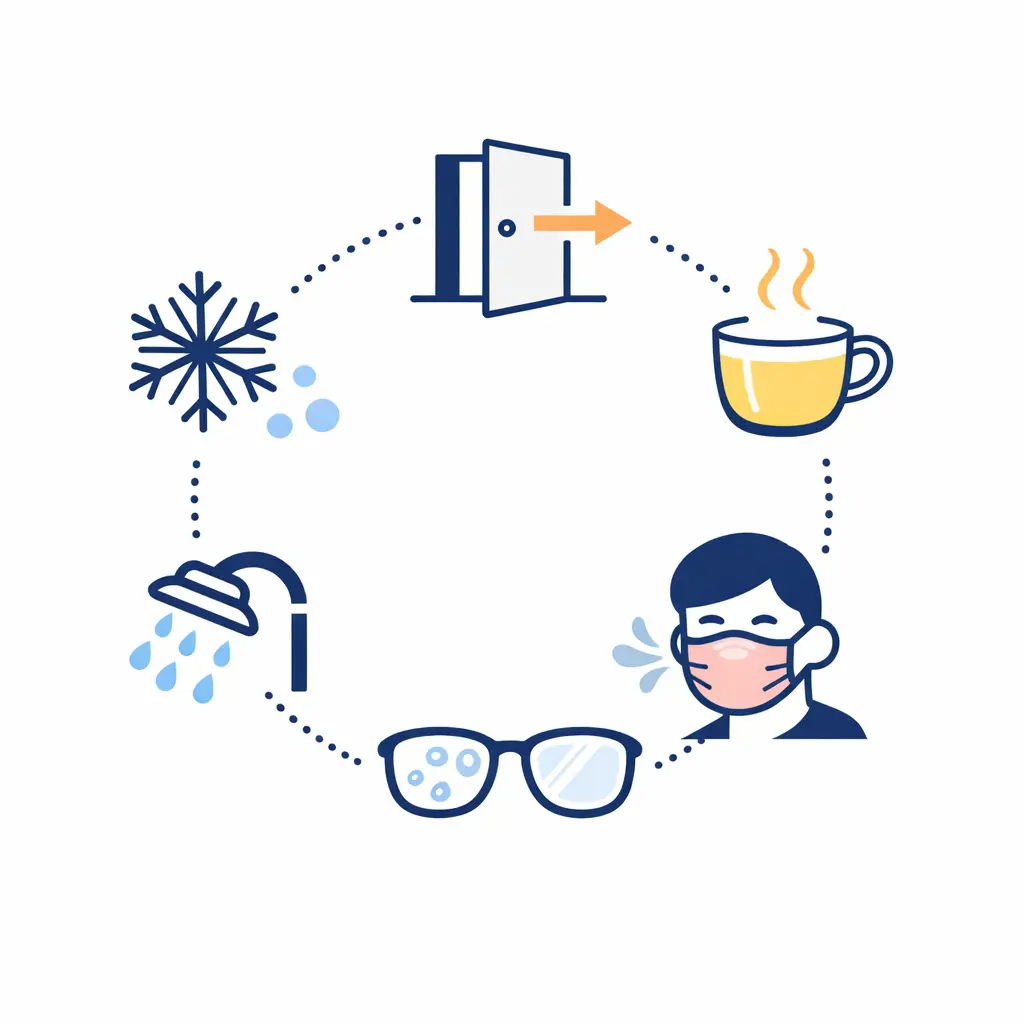
- Cold weather + your warm breath
- Moving between temperatures (cold outdoors → warm indoors)
- Hot drinks/food (steam rises right into your lenses)
- Wearing a mask (breath escapes upward)
- High humidity (showers, kitchens, gyms)
To stop fog, you can:
- Reduce moisture hitting the lens, and/or
- Prevent water droplets from forming by making moisture spread into a thin, clear film.
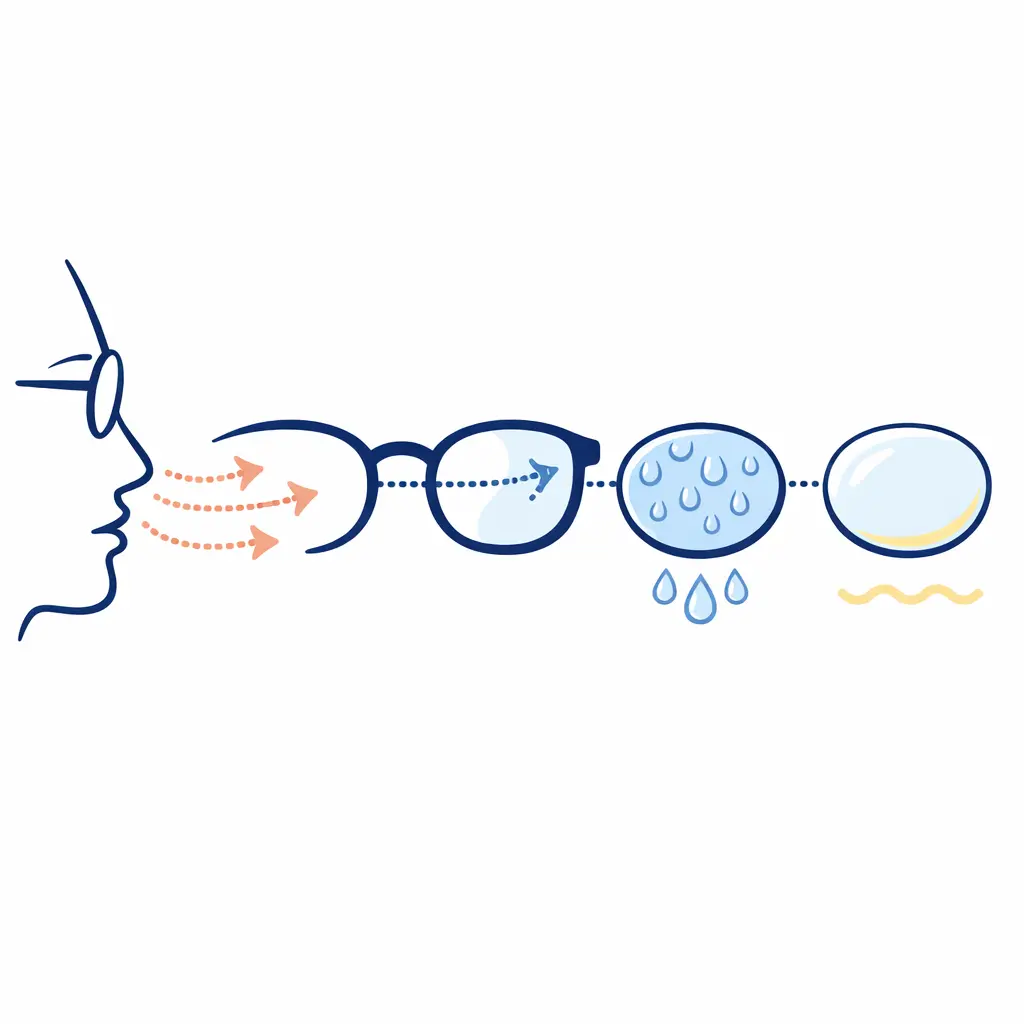
Most effective anti-fog solutions do one (or both).
The fastest fixes (when you need clear vision right now)
1) Warm your lenses before you go out
If your lenses start off warmer, they’re less likely to instantly condense moisture.
Try:
- Keep glasses in an inside pocket for a few minutes
- Hold them in your hands briefly before putting them on
- In the car, let them warm up for 30–60 seconds before stepping outside
This won’t eliminate fog forever — but it buys time and reduces the “instant fog wall.”
2) Improve airflow: wear glasses slightly farther from your face
Fog loves trapped air. Anything that increases ventilation helps:
- Adjust nose pads (if you have them) to create a tiny air gap
- Choose frames that sit a touch farther from your cheeks
- Avoid wrapping scarves high across your nose (they funnel breath upward)
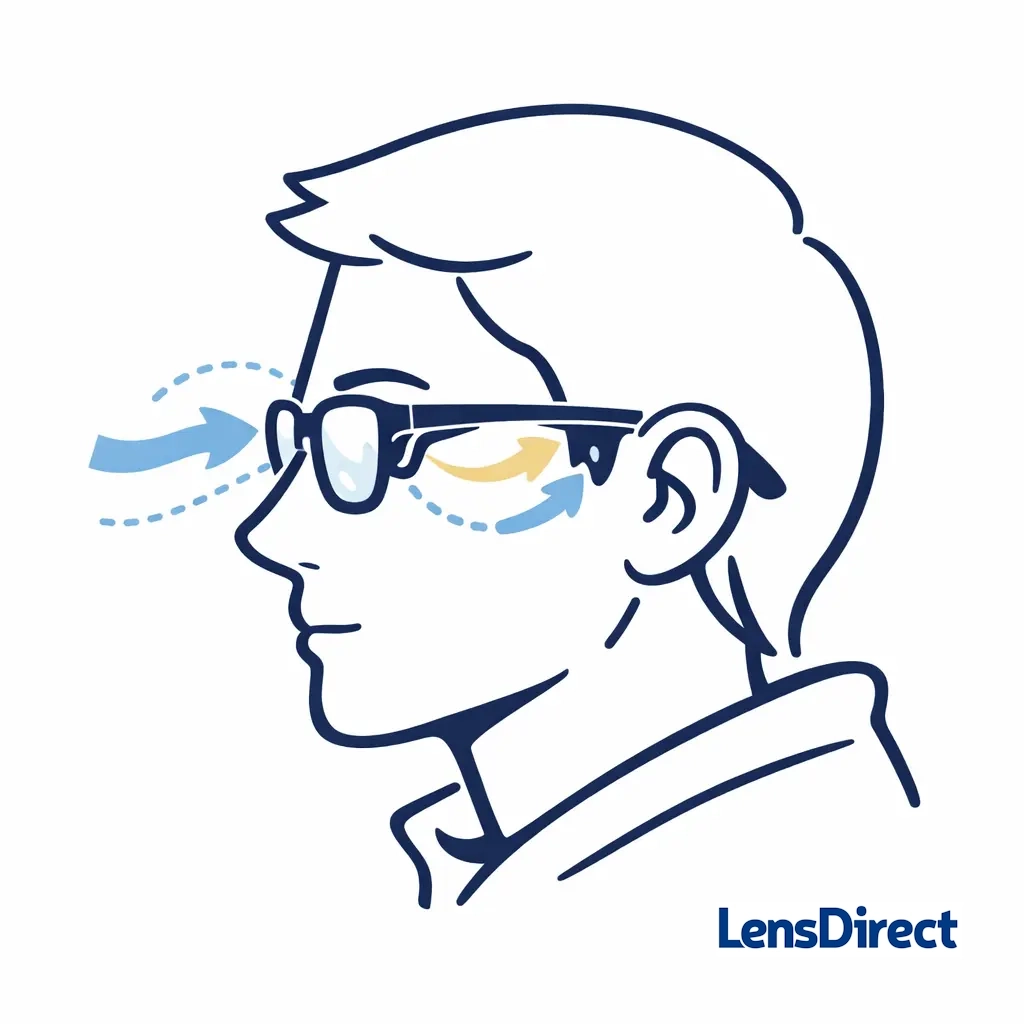
If your frames constantly fog, the fit may be too tight/close for your environment.
Mask fogging: the real-world fix list
If you’ve ever worn a mask with glasses, you already know the pain. The fog comes from exhaled air escaping upward and hitting your lenses.
3) Get a better seal at the nose (this is the #1 mask fog fix)
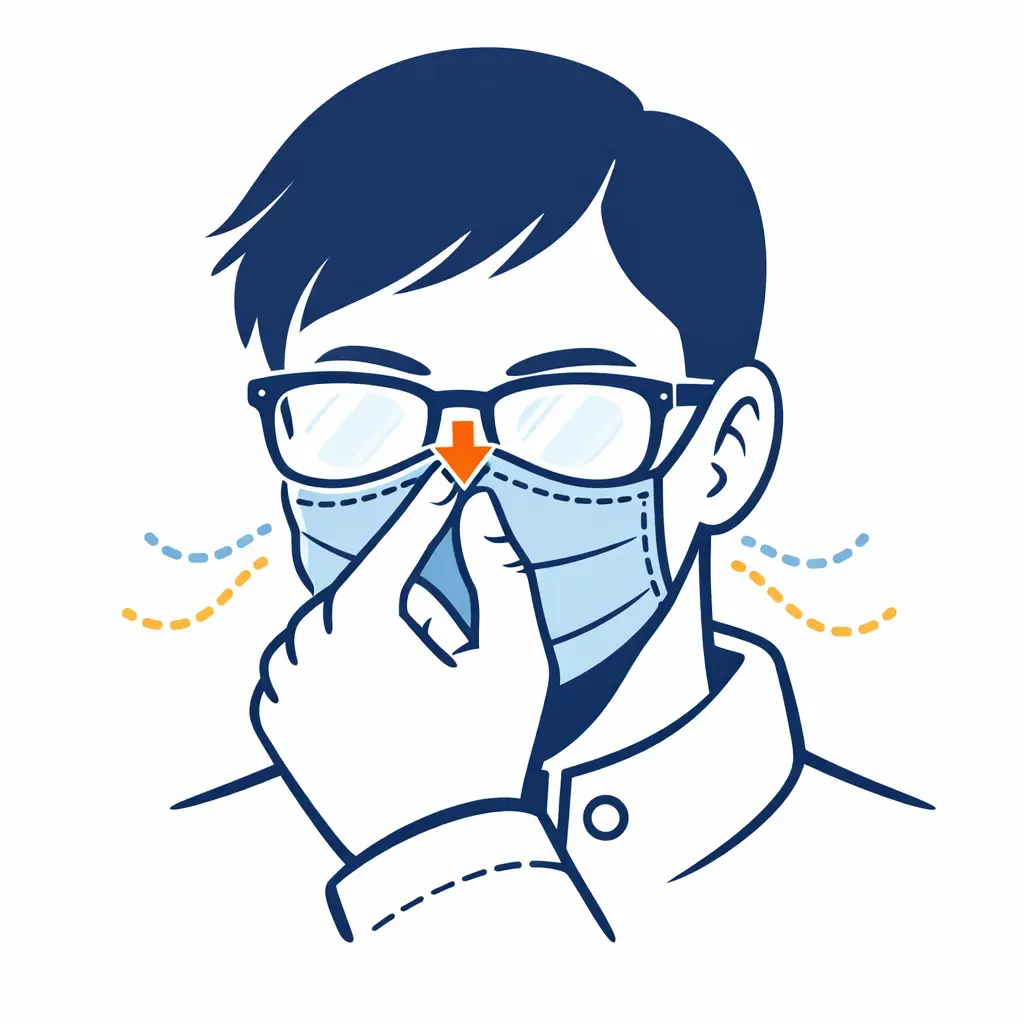
- Use a mask with a strong nose wire and mold it firmly
- Press along the wire from the center outward so there are no gaps
- Look for masks with a foam nose strip — the seal is usually better
If air isn’t escaping up, it can’t fog your lenses.
4) Use medical tape (surprisingly effective)
A small strip of skin-safe medical tape across the top edge of the mask can seal airflow.
How:
- Place tape across the mask’s top edge and onto your skin (bridge of nose and cheeks)
- Don’t tape too close to your eyes
- Remove gently to avoid irritation
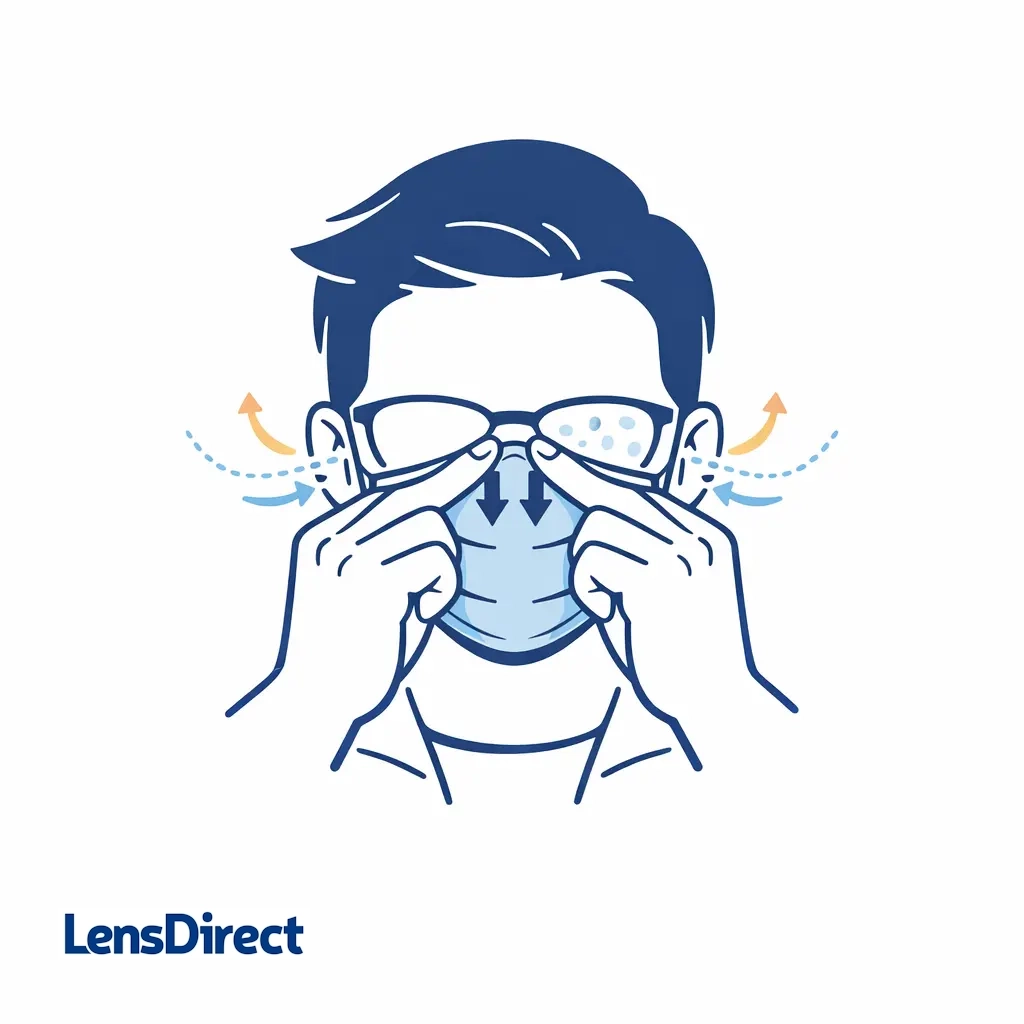
This is the “I need this to work all day” option — especially for work shifts.
5) “Glasses over mask” trick
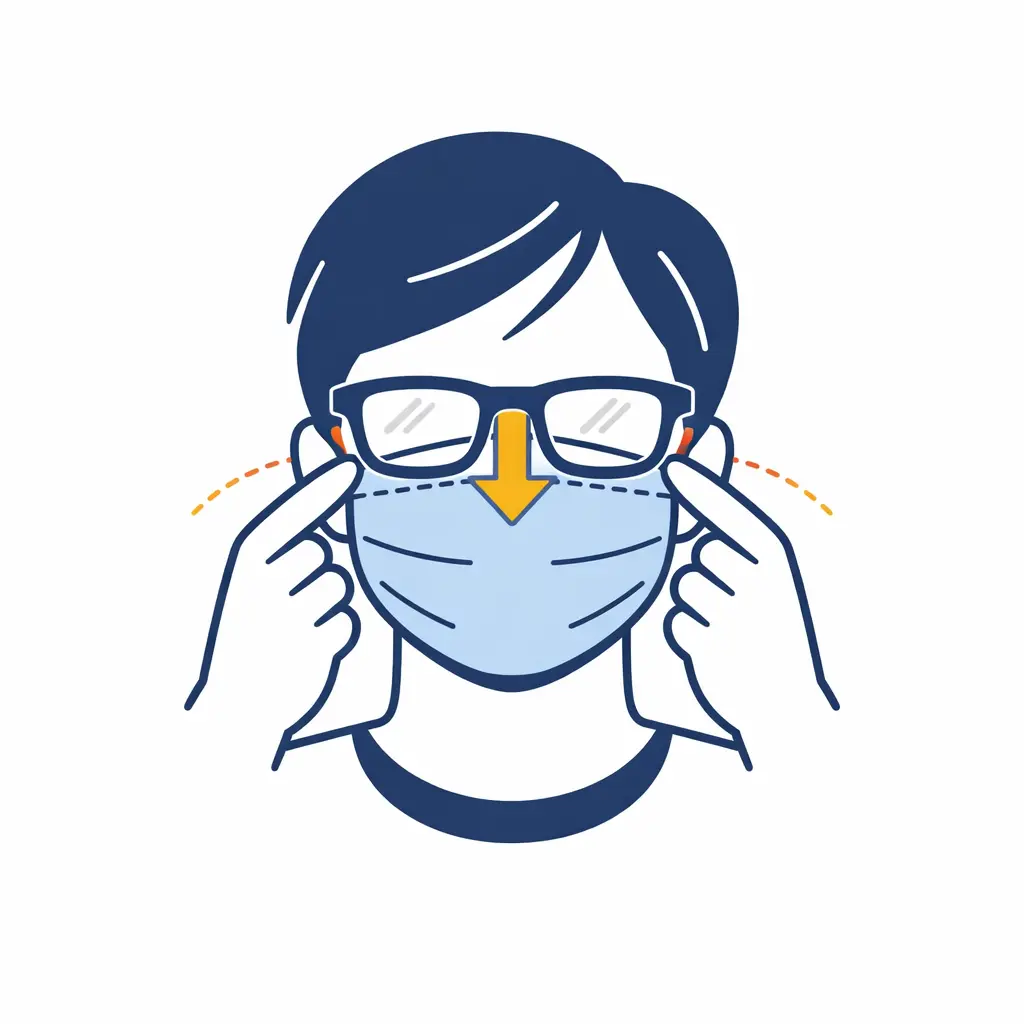
Put your mask on, seal the nose wire, then set your glasses on top of the mask’s upper edge. The frame helps hold the mask down and blocks upward airflow.
It’s simple, and it’s often enough to dramatically cut fogging.
Anti-fog coatings, sprays, and wipes: what actually works
6) Use an anti-fog spray or wipe (best for consistency)
Anti-fog products usually contain surfactants that reduce surface tension, so moisture spreads into a thin film instead of droplets.
How to use (general best practice):
- Clean your lenses first (dust makes everything worse)
- Apply the anti-fog spray/wipe evenly
- Let it dry or gently buff as directed
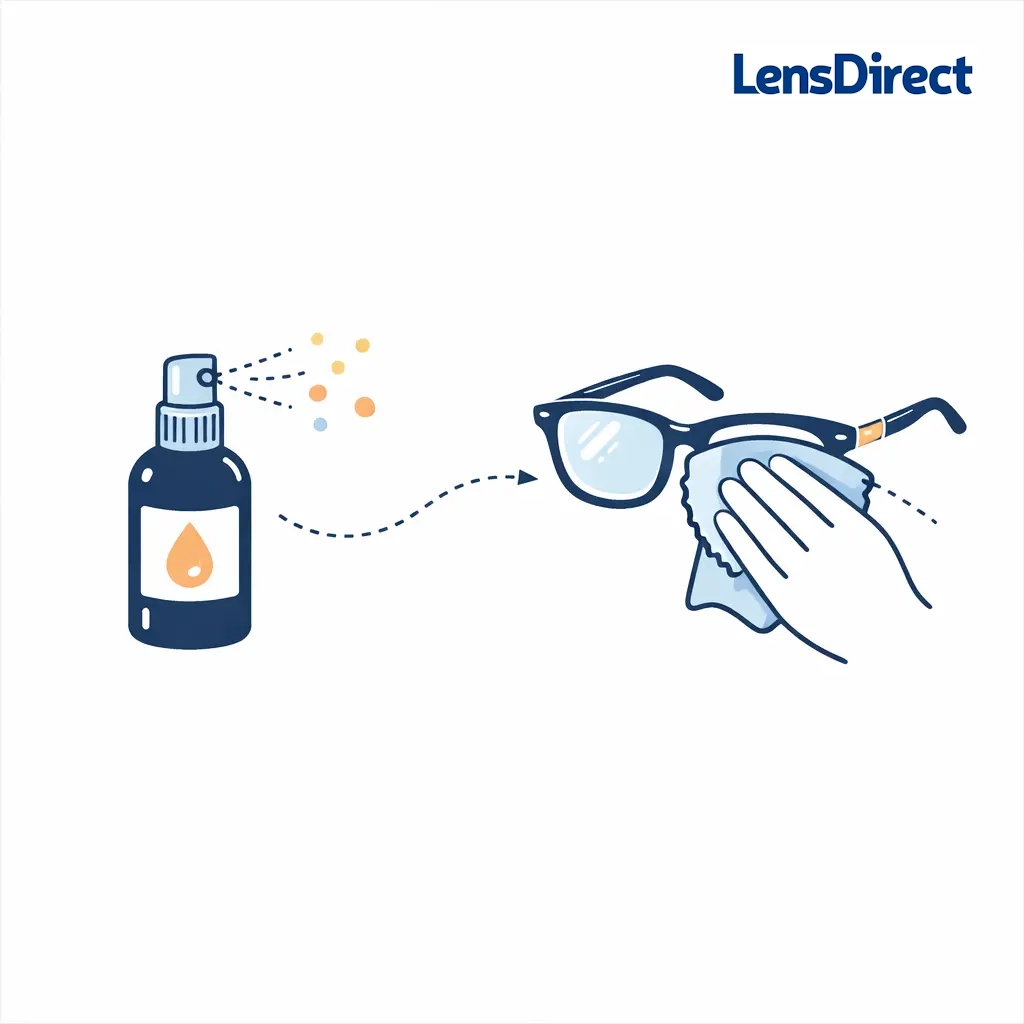
Pro tip: If you apply anti-fog to dirty lenses, you’re basically sealing in smudges. Start clean.
Important: Some anti-fog products are not ideal for certain lens coatings. If your lenses have anti-reflective (AR) or special coatings, choose a product that explicitly says it’s safe for coated lenses.
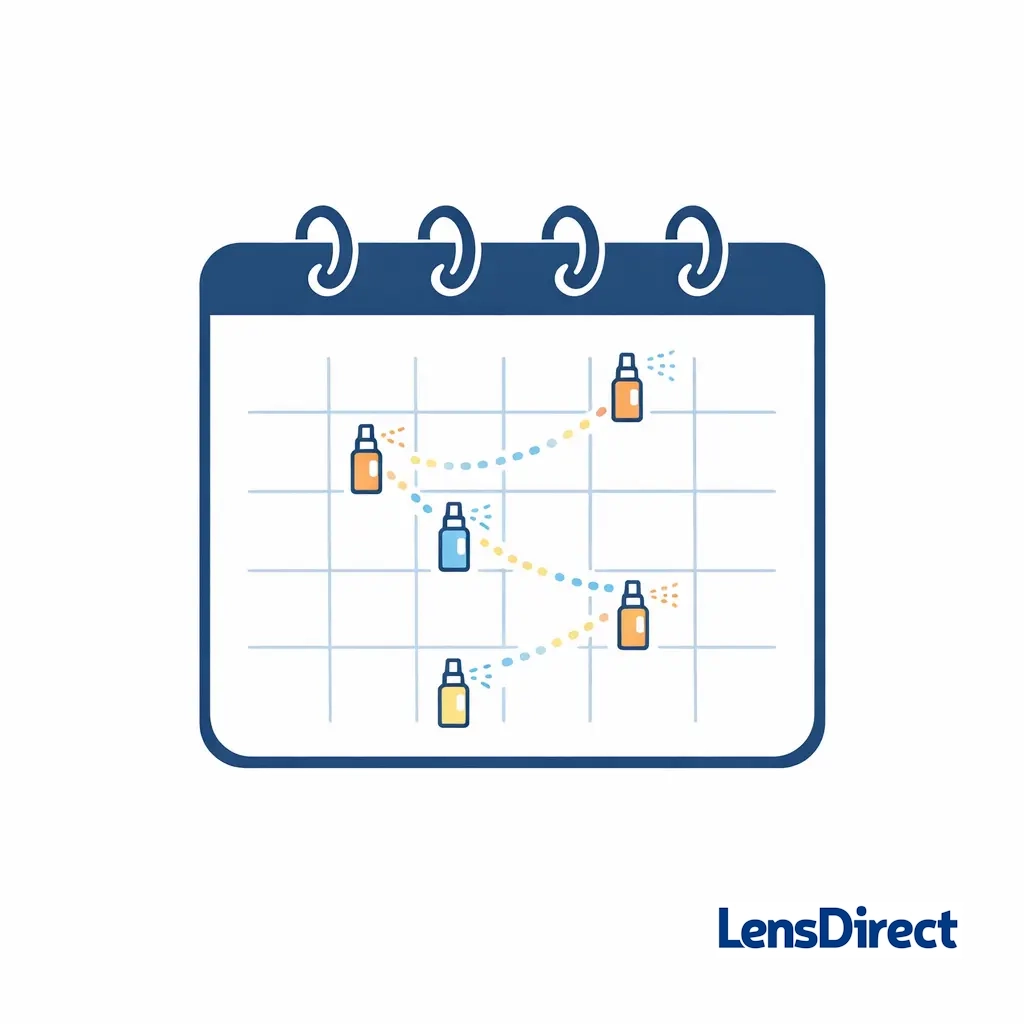
7) Consider anti-fog “treatment” routines (not just one-and-done)
Some products last:
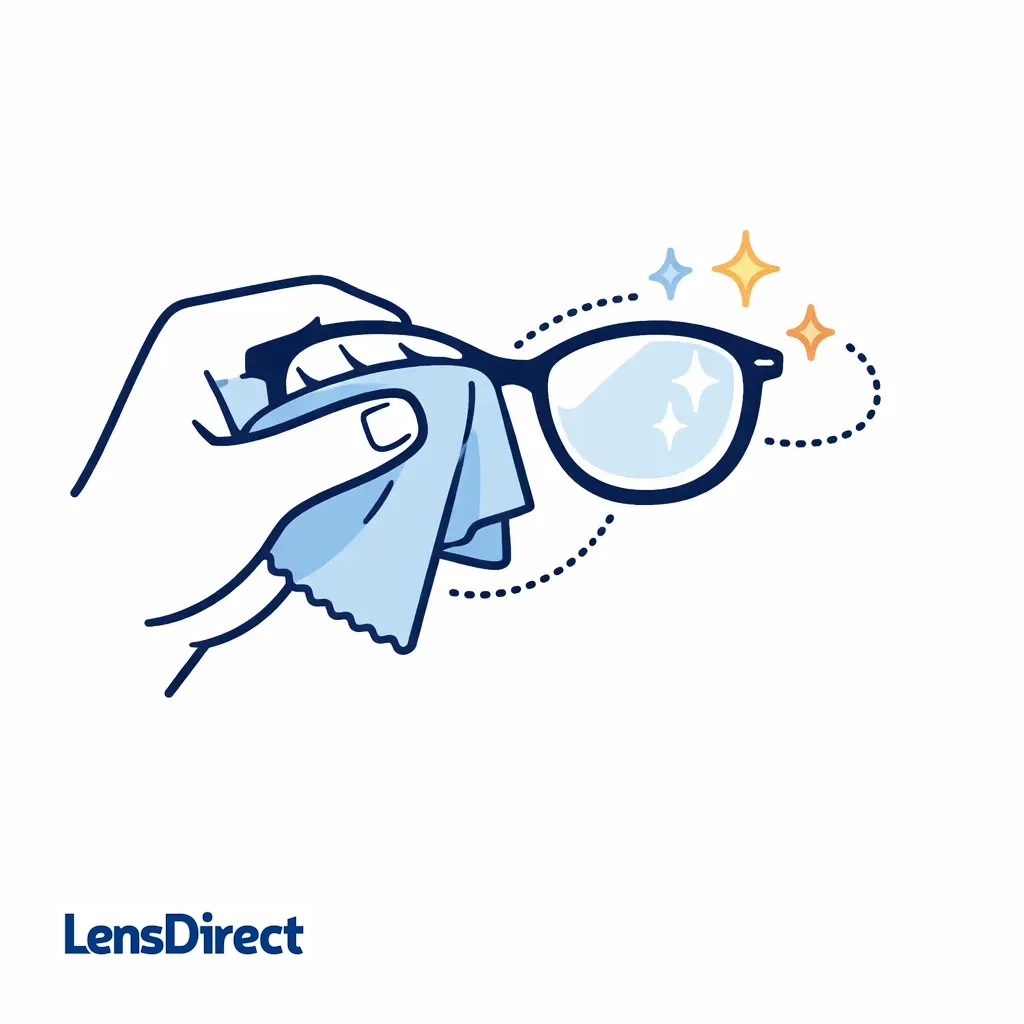
- A few hours
- A day
- Several days (depending on conditions and how often you clean your lenses)
If you’re in a high-fog situation (winter + mask + hot coffee), plan to reapply as part of your routine.
DIY anti-fog methods (cheap, effective, and needs a little care)
DIY works because many household soaps act like surfactants. But you have to do it gently — especially if you have coated lenses.
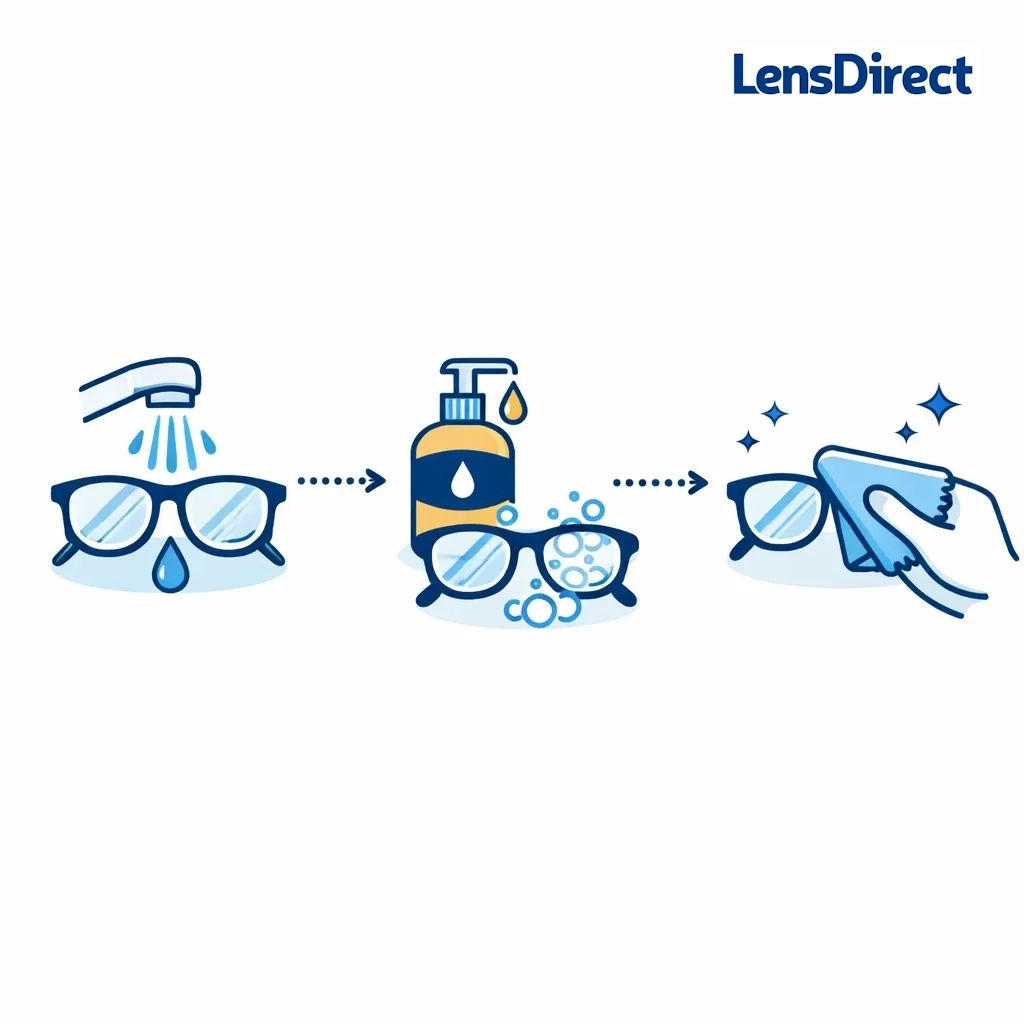
8) Mild dish soap + water (a classic that works)
This is one of the most reliable DIY options when done correctly.
How:
- Put a tiny drop of mild dish soap on your fingertips
- Rub lightly over both sides of the lens
- Rinse quickly with lukewarm water
- Shake off water and let air-dry or gently dab with a clean microfiber cloth
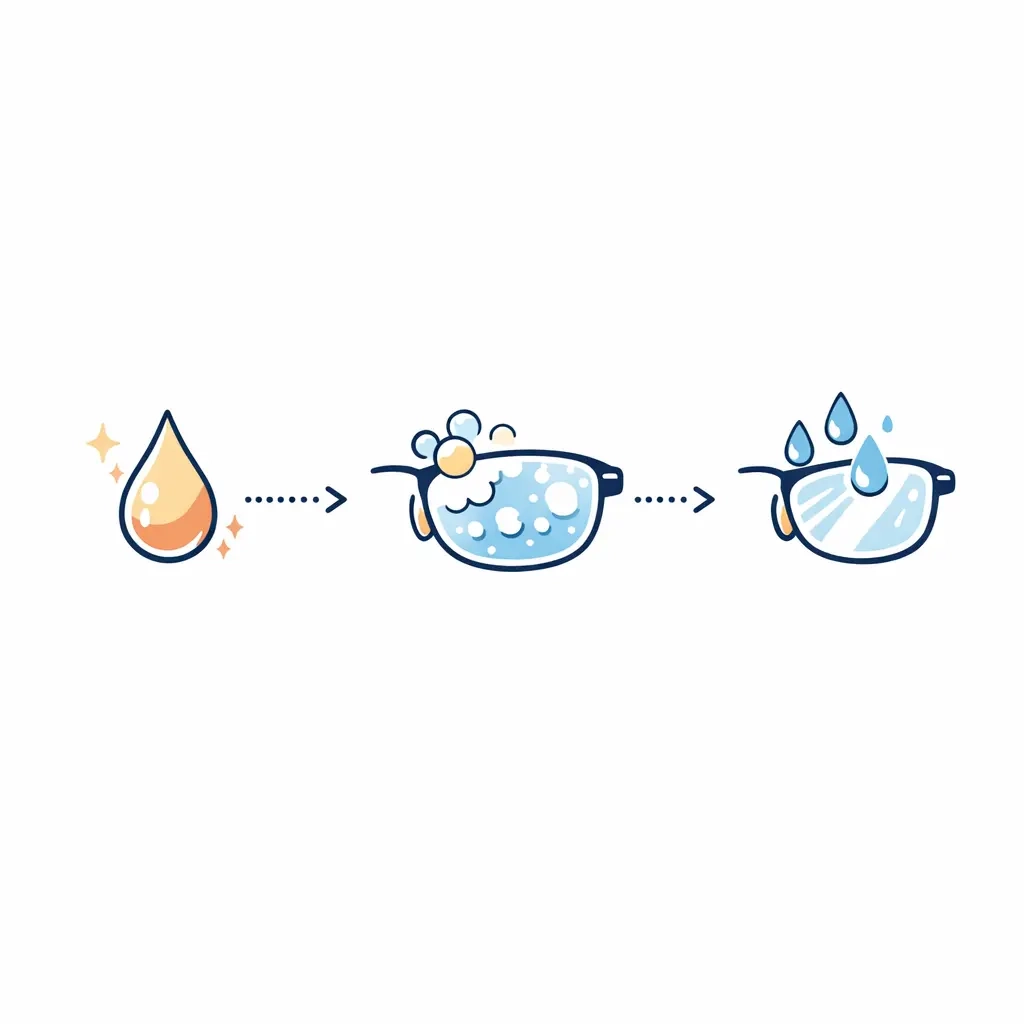
You want an invisible film — not suds.
Avoid: highly scented soaps, harsh degreasers, or anything with abrasives.
9) Baby shampoo (gentler alternative)
Baby shampoo is a common go-to because it’s designed to be less irritating and often milder.
Use it similarly:
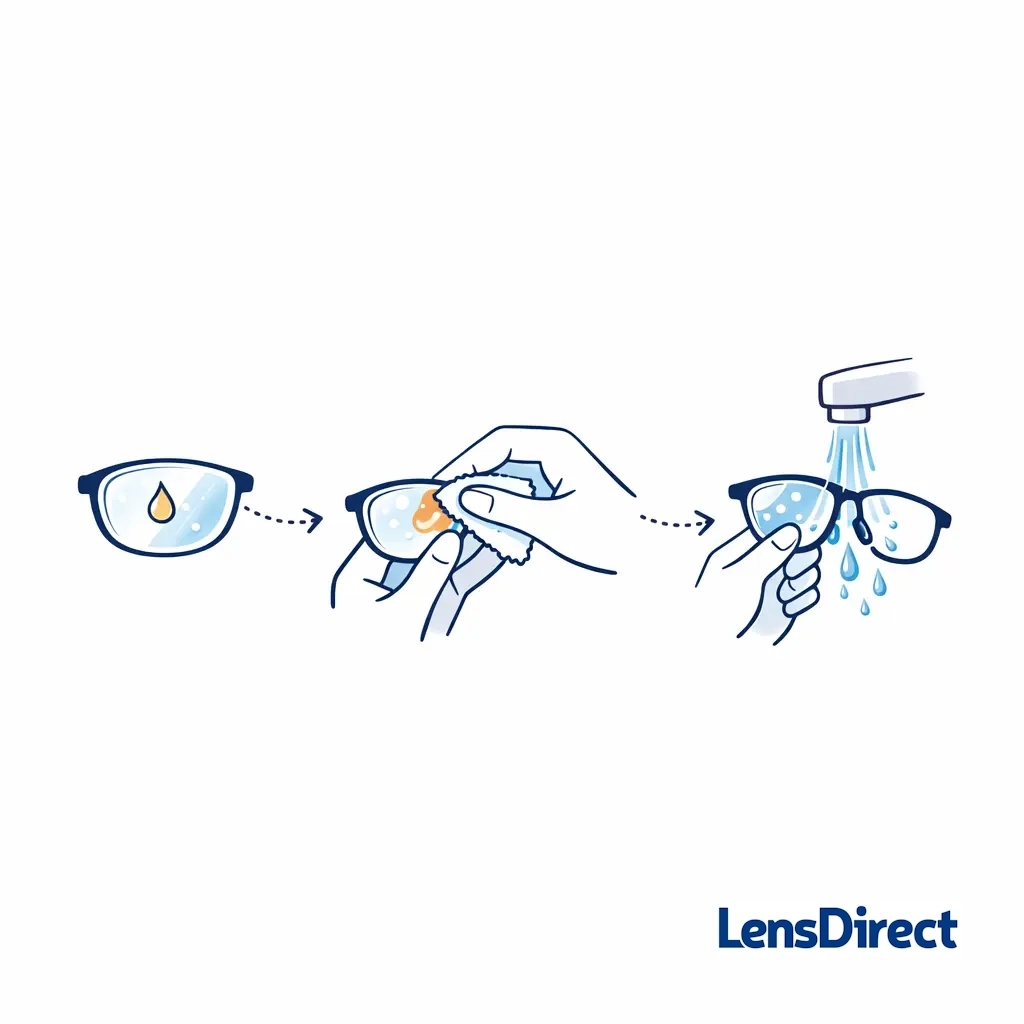
- Dilute a drop in water
- Apply a thin layer
- Rinse lightly and dry gently
10) Shaving cream (works, but can be messy)
Non-gel shaving cream has been used for anti-fog, but it’s easier to overdo, and residue can smear.
If you try it:
- Use a tiny amount
- Spread evenly, then buff until clear
- Stop if you see haze or streaking
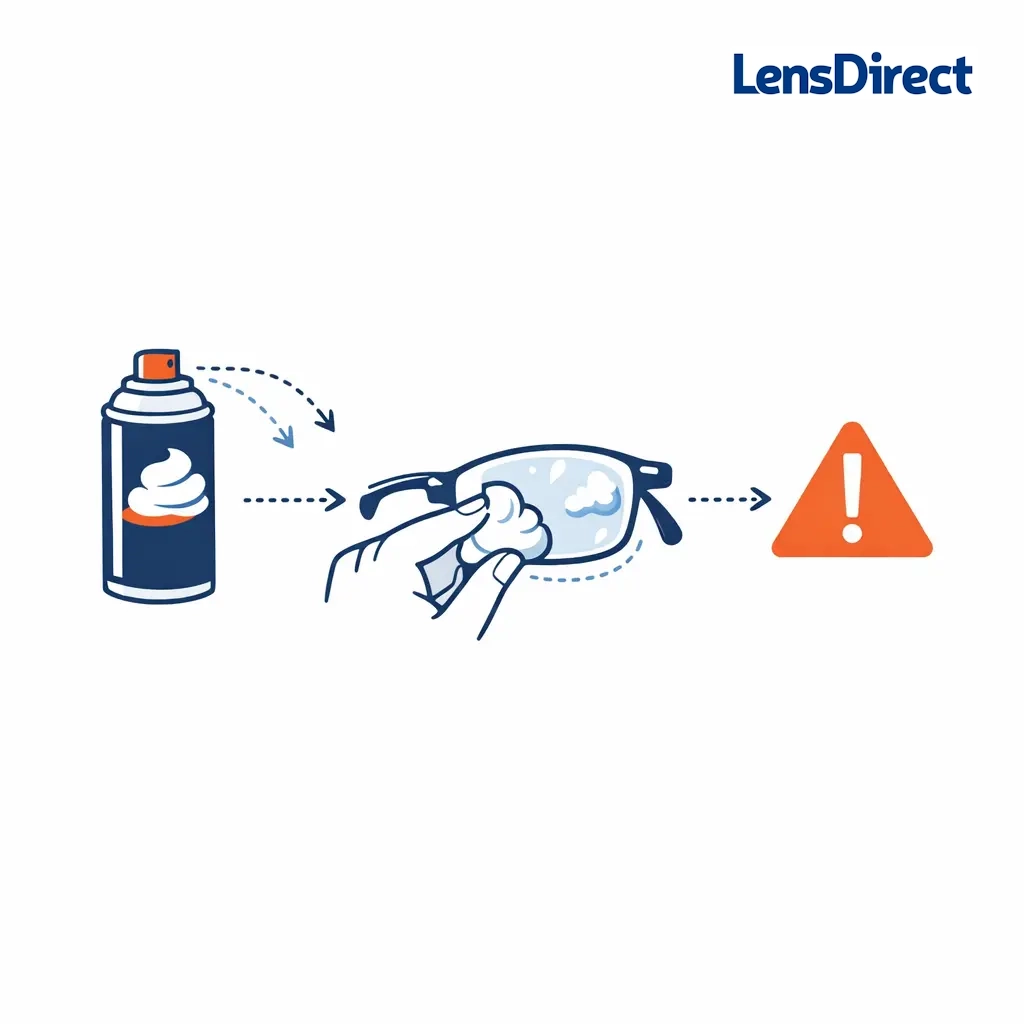
If your lenses have premium coatings: DIY may still work, but do it carefully and test on a small area first. When in doubt, use a coating-safe commercial anti-fog spray/wipe.
Cleaning habits that prevent fog and keep lenses clearer
Fog often gets worse when lenses are already oily or dirty. Oils give condensation more “grip,” and smudges look like fog even when they aren’t.
11) Clean the right way (microfiber + lens cleaner)
Best practice:
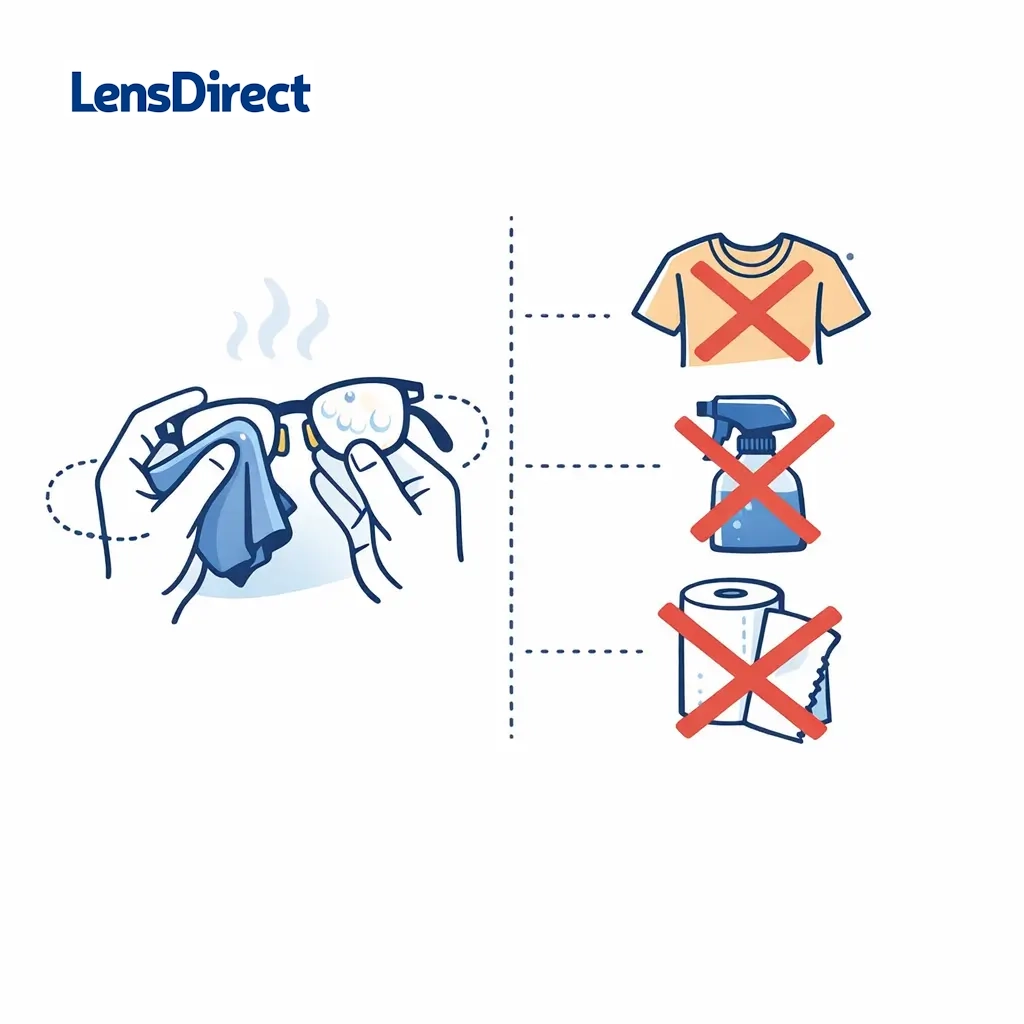
- Rinse lenses with lukewarm water first (removes grit)
- Use lens cleaner or mild soap
- Dry with a clean microfiber cloth
- Avoid your shirt — fabric can scratch and smear
12) Don’t use these “hacks” (they can damage lenses)
Some methods float around online but can harm coatings or leave permanent haze:
- Windex or household glass cleaner (can strip coatings)
- Paper towels/napkins (scratch risk)
- Abrasive toothpaste (can permanently damage lenses)
- Very hot water (can affect coatings over time)
- Random chemicals (if it’s not made for lenses, skip it)
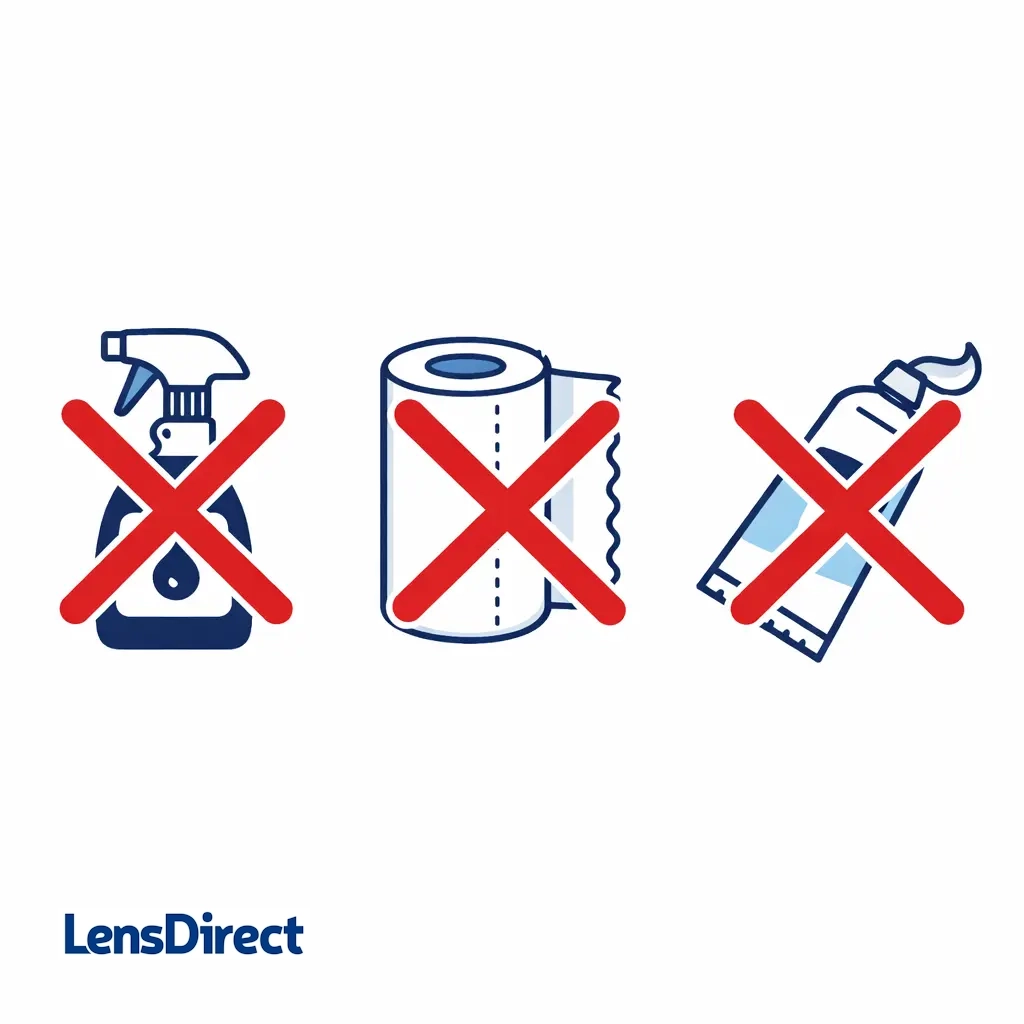
If you’ve invested in AR coating or specialty lenses, it’s not worth the gamble.
Long-term solutions for chronic foggers
If fogging is constant for your lifestyle, sometimes the best fix is structural.
13) Choose frames that fog less
Frames that help reduce fog tend to:
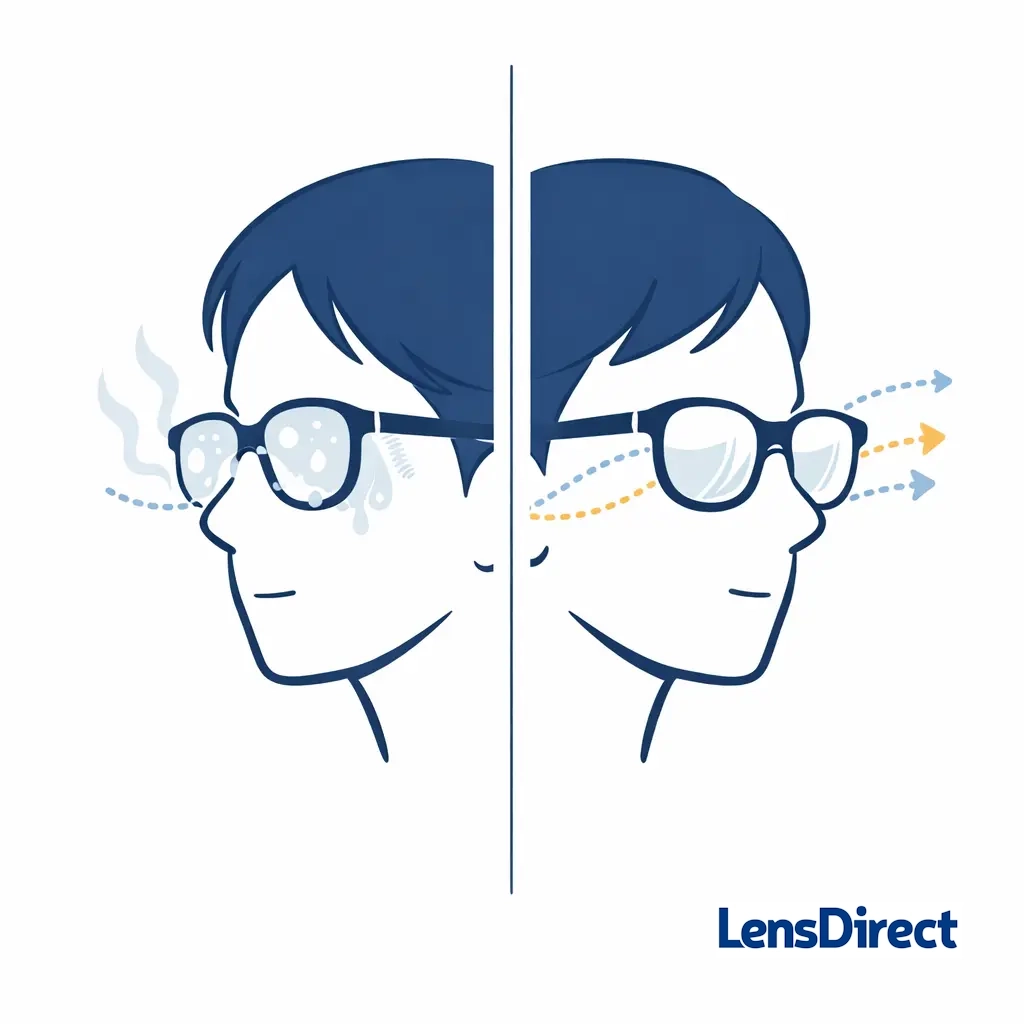
- Sit slightly farther from the face
- Have adjustable nose pads
- Offer better airflow around the lens
Very tight, close-fitting frames can trap warm air.
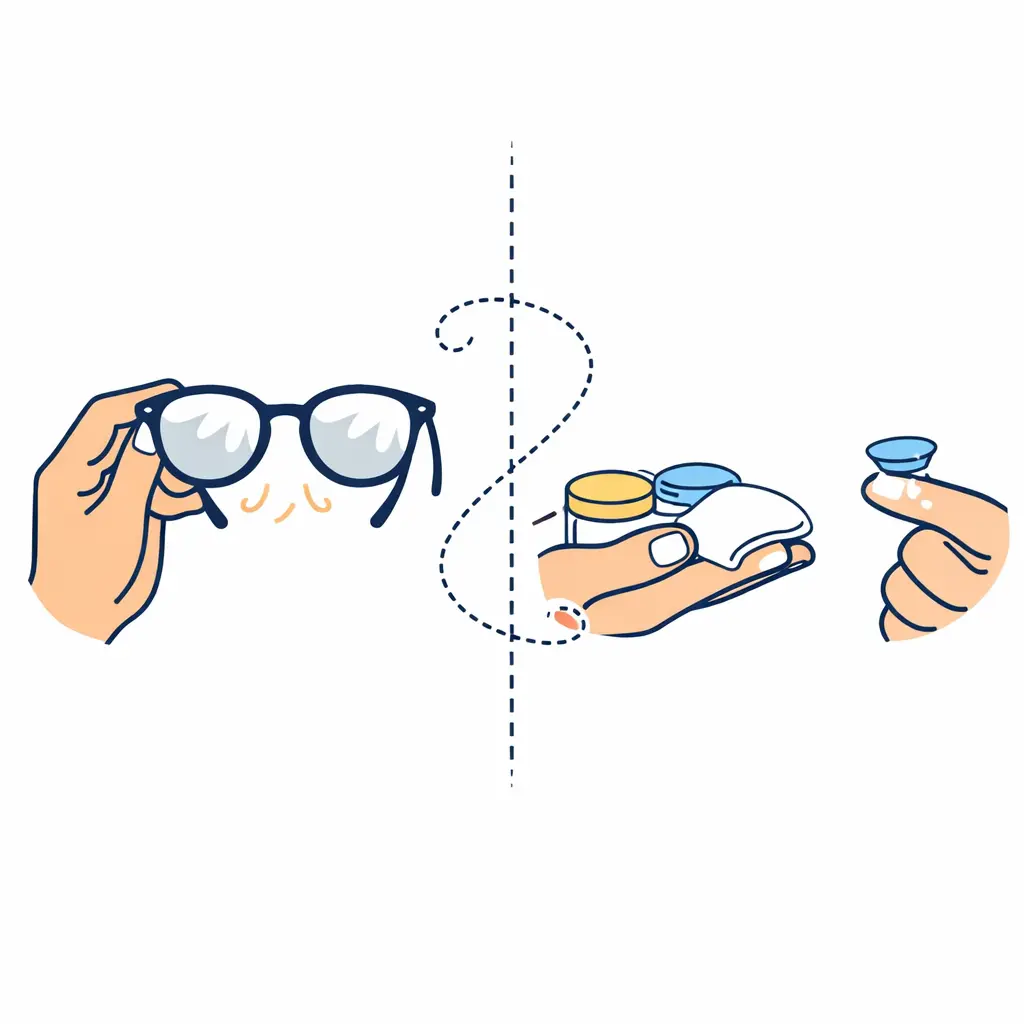
14) Consider contact lenses for high-fog situations
If you’re constantly in fog triggers (healthcare work, winter sports, cooking/restaurant environment), contact lenses can eliminate fog entirely.
Many people keep a backup: glasses for normal days, contacts for “fog-heavy” days.
15) Winter/snow sports tip: pair anti-fog with the right eyewear
If you ski or snowboard, fog can also come from sweat and temperature swings. Anti-fog treatments help, but so does:
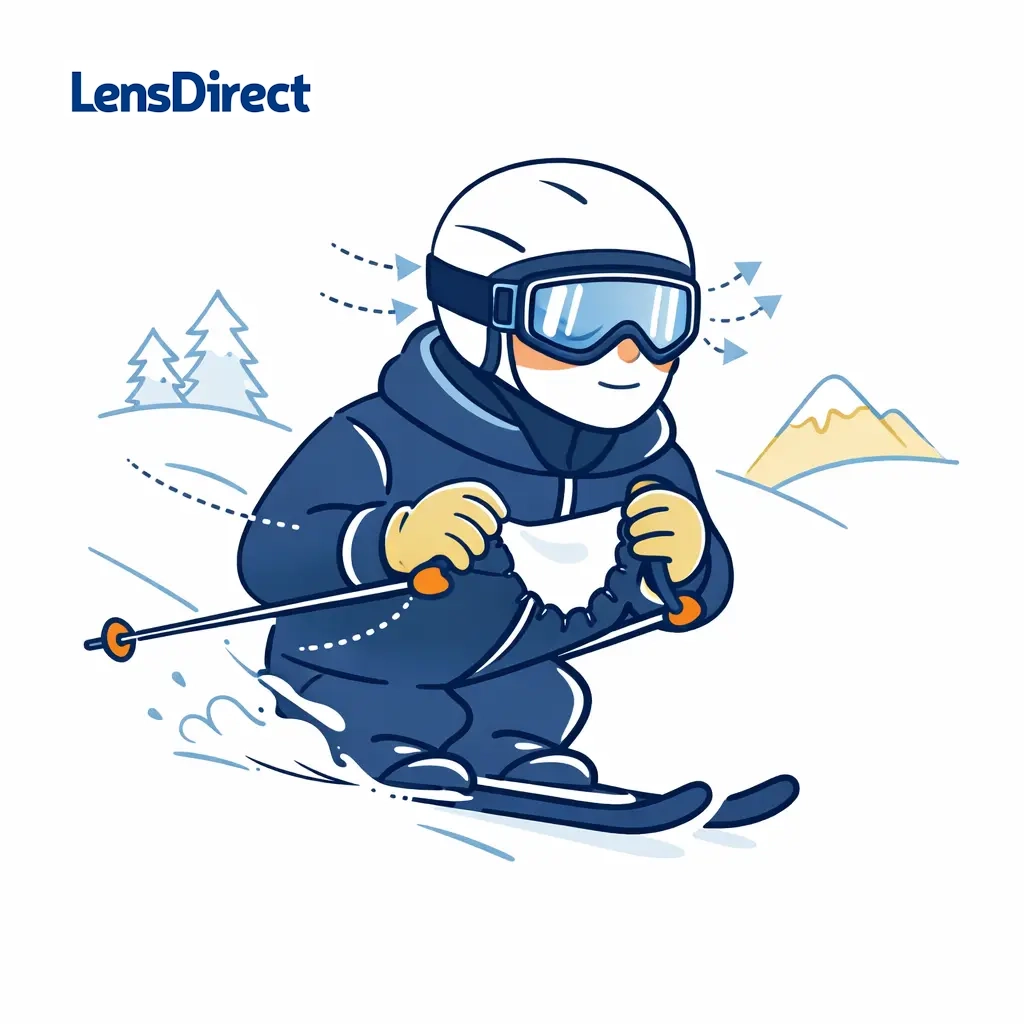
- Better ventilation
- Proper fit
- Switching to goggles designed for airflow (if you’re in heavy snow/wind)
Build your “anti-fog kit” (simple and effective)
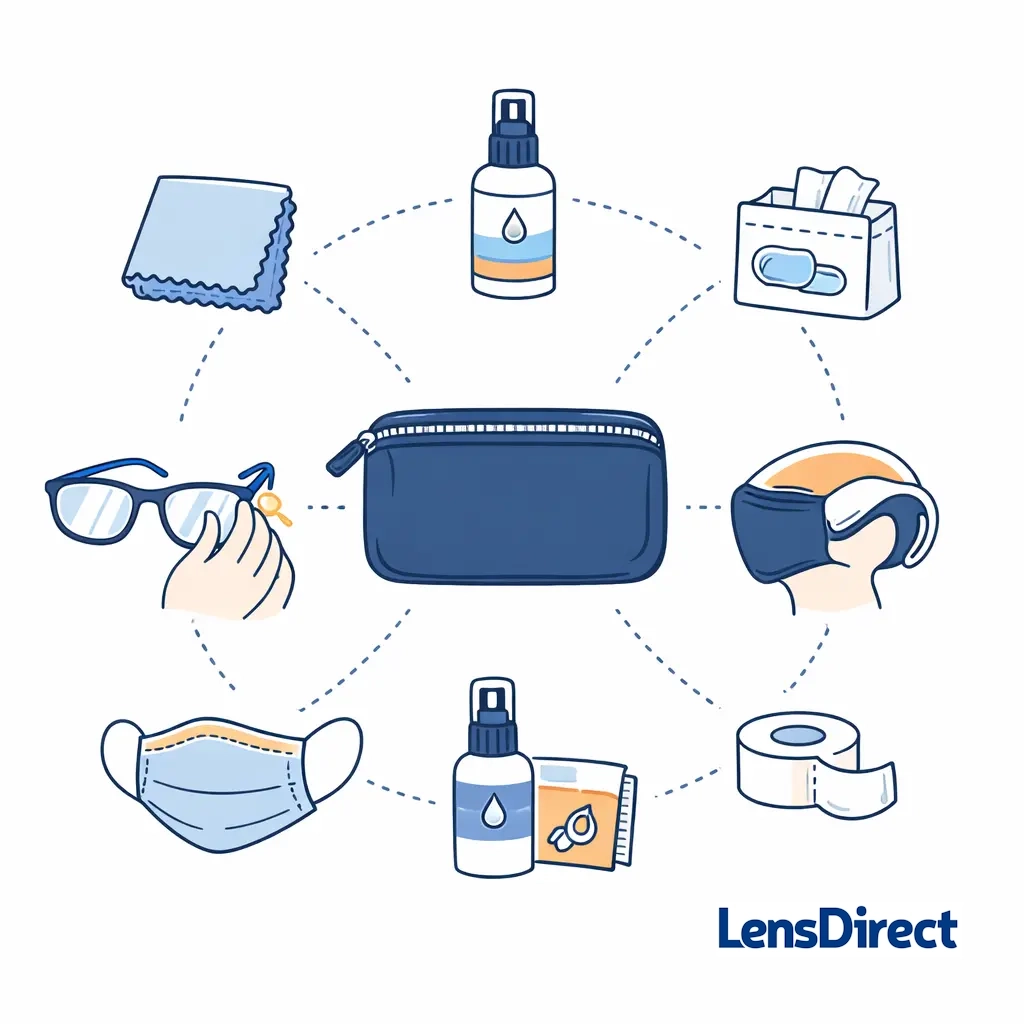
If you want a no-drama setup, keep:
- Microfiber cloth (clean, not the one that’s been in your car for 9 months)
- Lens-safe spray cleaner
- Anti-fog wipes or spray (coating-safe)
- A mask with a strong nose wire (if relevant)
- Optional: medical tape for long days
Quick troubleshooting: why your anti-fog isn’t working
If fog keeps coming back, it’s usually one of these:
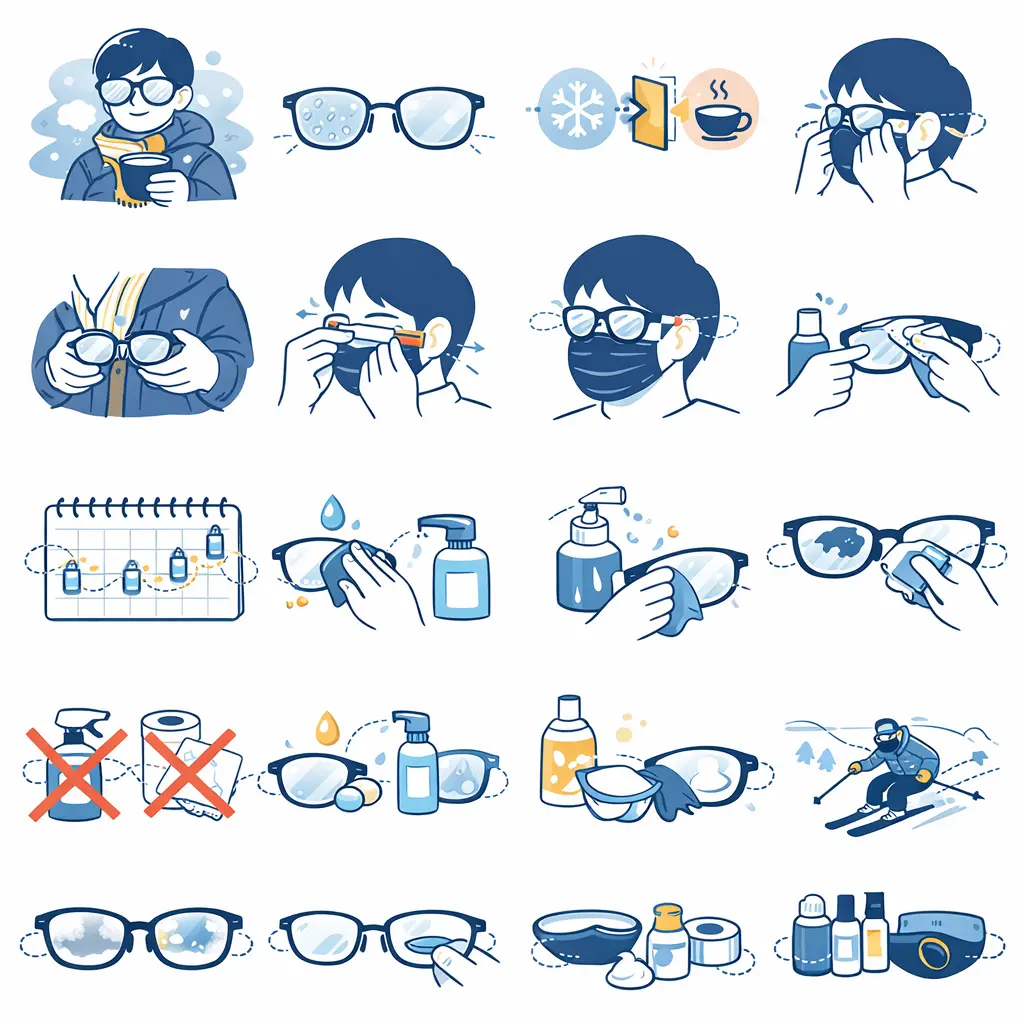
- You’re applying product to dirty lenses
- You’re using too much product (residue causes haze)
- Your mask is leaking air upward (needs a better seal)
- Your lenses are getting cold too quickly (warm them first)
- Your cloth is oily/dirty (switch to a clean microfiber)
Final thoughts: pick the right fix for your day
For most people, the winning combo is:
- clean lenses,
- a coating-safe anti-fog wipe or spray, and
- better airflow (or a better mask seal).
If you’re ready for an upgrade, LensDirect makes it easy to stock up on everyday essentials — whether that’s new frames with a better fit, backup glasses for winter, or contact lenses for your foggiest situations.
Author

Subscribe to our email newsletter to get the latest posts delivered right to your email.