

Colored contacts can be a fun way to switch up your look — subtle hazel for everyday, icy gray for photos, or a bold green for a night out. But here’s the part many people miss: colored contacts are still contact lenses. That means they sit directly on your eye, require proper fit, and come with real risks if you buy the wrong thing or wear them the wrong way.
This guide breaks down how to choose colored contacts safely — including if you need vision correction — so you can get the aesthetic you want without risking irritation, infection, or worse.
Quick note: This article is for general education, not medical advice. Always follow your eye care professional’s instructions for fit, wear time, and lens care.
1) Colored contacts are medical devices (yes, even “cosmetic” ones)
In the U.S., all contact lenses — including decorative/colored lenses that don’t correct vision — require a valid prescription. (U.S. Food and Drug Administration)
Why? Because a “one-size-fits-all” contact lens doesn’t exist.
Contacts must match your eye’s measurements (like base curve and diameter), align correctly, and allow enough oxygen to your cornea.
A poorly fitted lens can cause scratches, inflammation, and infections — and those can escalate quickly.
Also worth knowing: the FDA warns that many places sell decorative lenses illegally without requiring a prescription. (U.S. Food and Drug Administration)
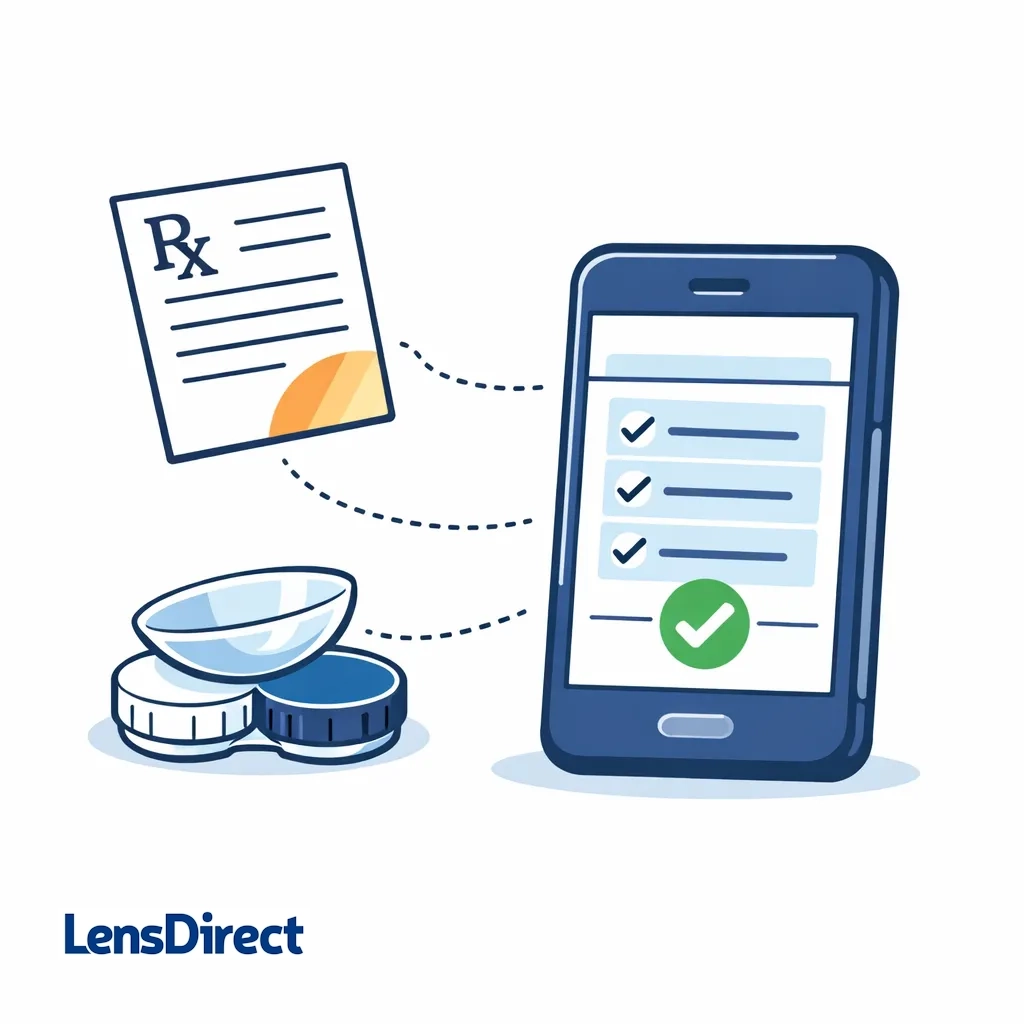
2) Step one: get the right contact lens prescription (not just glasses Rx)
If you already wear contacts, you’re ahead — but for colored contacts, you still want a current, accurate contact lens prescription that includes:
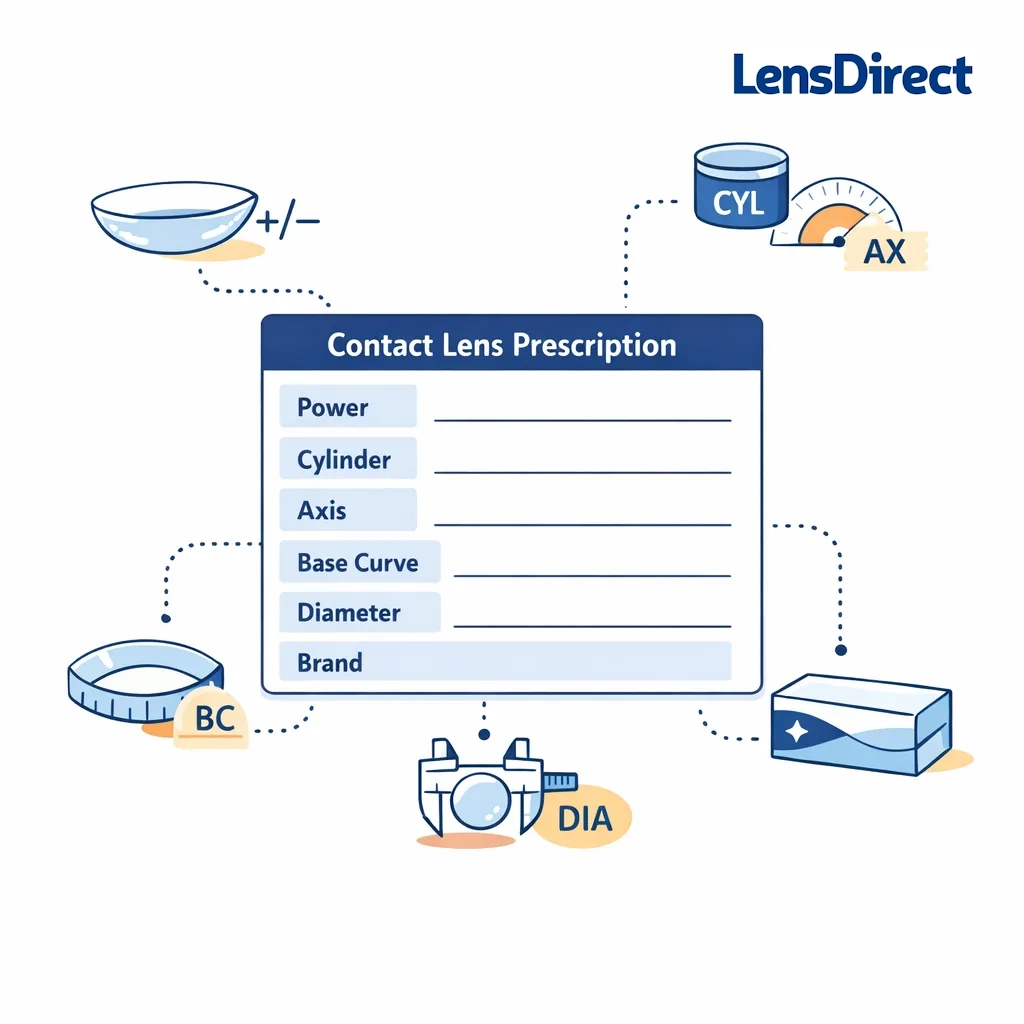
- Power (Sphere): for nearsightedness/farsightedness
- Astigmatism numbers (Cylinder + Axis): if applicable
- Base curve (BC) and diameter (DIA): fit measurements
- Brand/type (often listed on the prescription)
- Expiration date
Glasses and contacts are not interchangeable. Contacts sit directly on the eye, so the prescription and fit details matter.
What about ordering online?
In the U.S., sellers generally must verify a valid prescription before dispensing contact lenses, and the rules around releasing/using prescriptions are governed under the FTC’s Contact Lens Rule. (Federal Trade Commission)
3) Choose the type of colored contact that matches your goal
Not all colored contacts look the same. Most fall into a few categories:
Enhancement tint (natural boost)
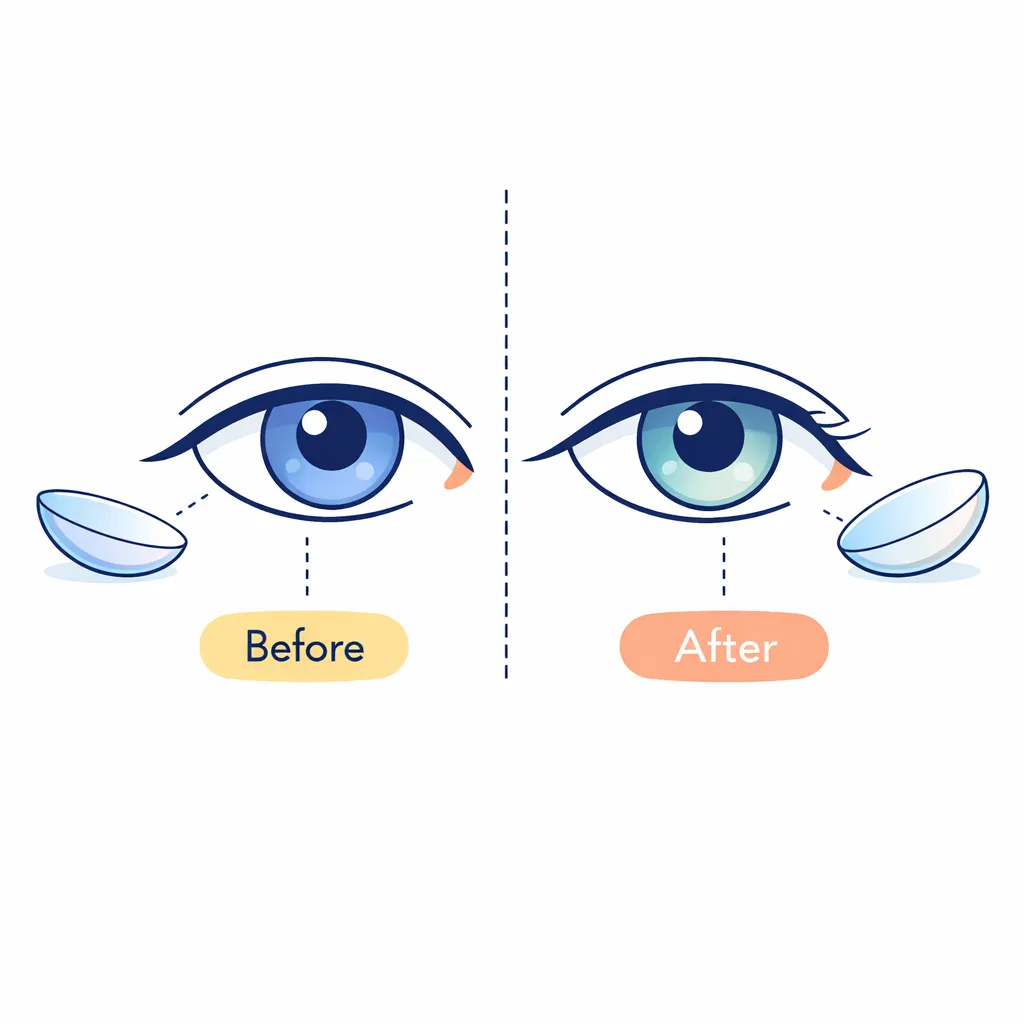
- A translucent tint that enhances your existing eye color
- Best if you want a subtle change
- Typically works best on light eyes (blue/green/hazel)
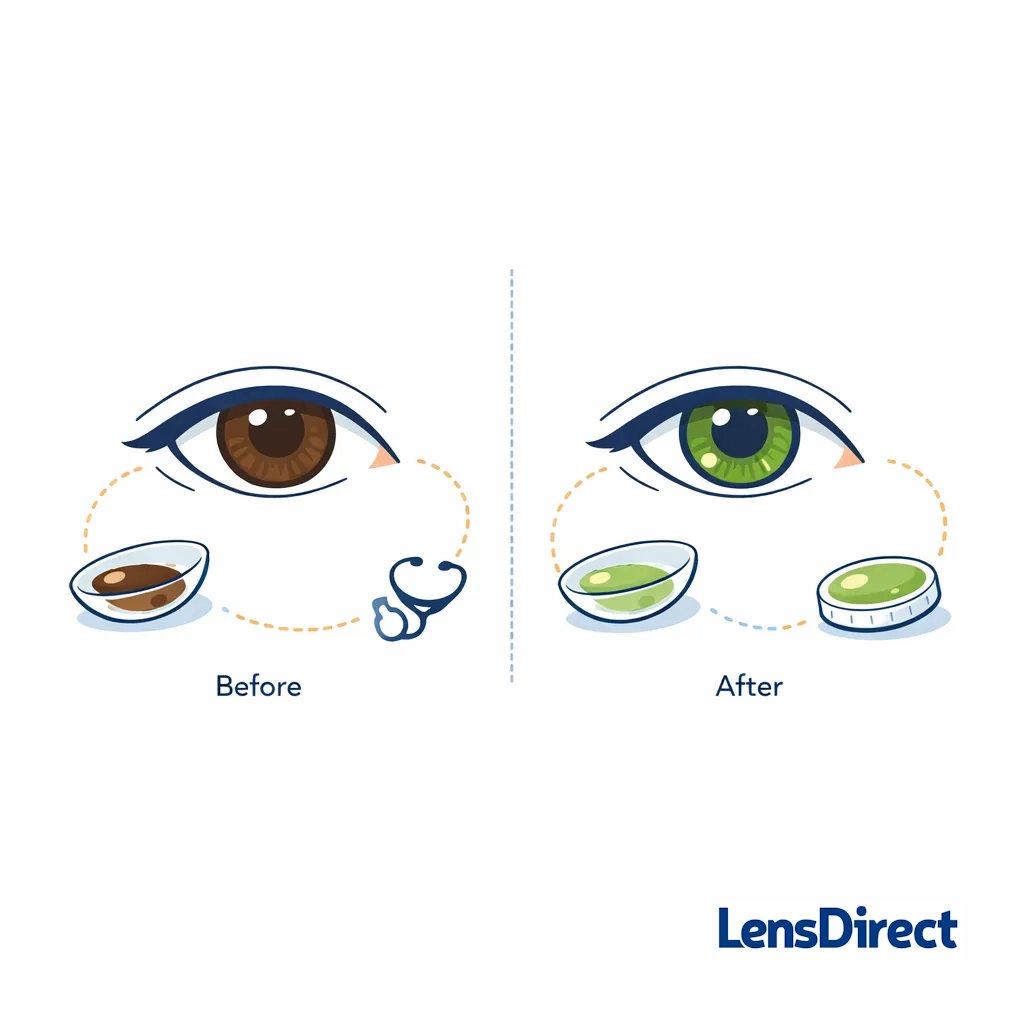
Opaque tint (noticeable color change)
- Designed to fully change the appearance of your iris
- Best if you have brown/darker eyes or want a dramatic look
- Often includes layered color patterns for realism
Limbal ring / “circle” style (bigger-looking eyes)
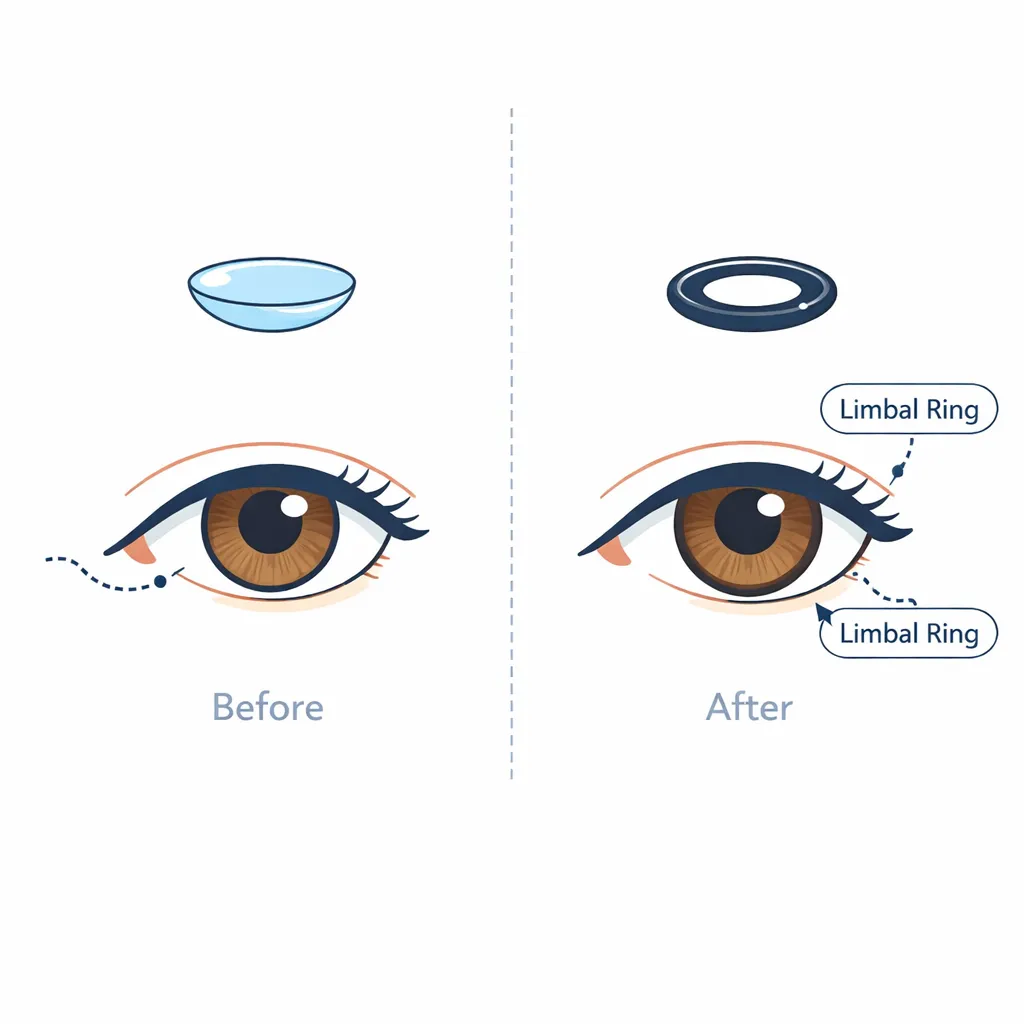
- A darker ring around the iris for more definition
- Can look natural or stylized depending on thickness/contrast
- If you want “photo-ready” eyes, this is the common route
Pro tip: If your #1 goal is “looks real,” start with an enhancement tint or a softer opaque shade (like honey, hazel, light brown) before jumping to high-contrast colors.
4) If you wear a prescription, here’s how to choose colored contacts that still see clearly
Colored contacts can be prescription lenses — but the right option depends on your vision needs.
If you’re nearsighted or farsighted
Look for colored lenses available in your power range (Sphere). When you order, you’ll choose the same power your doctor prescribed for contacts.
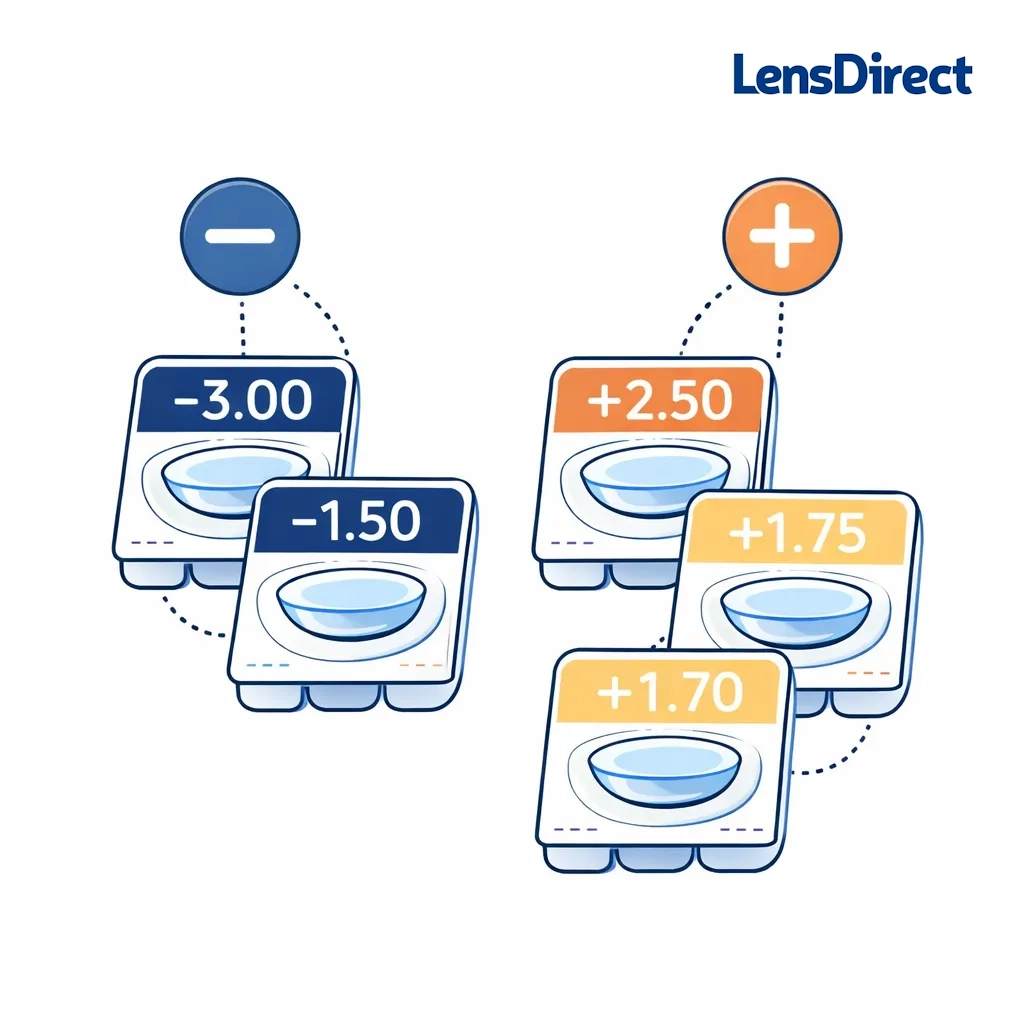
If you have astigmatism
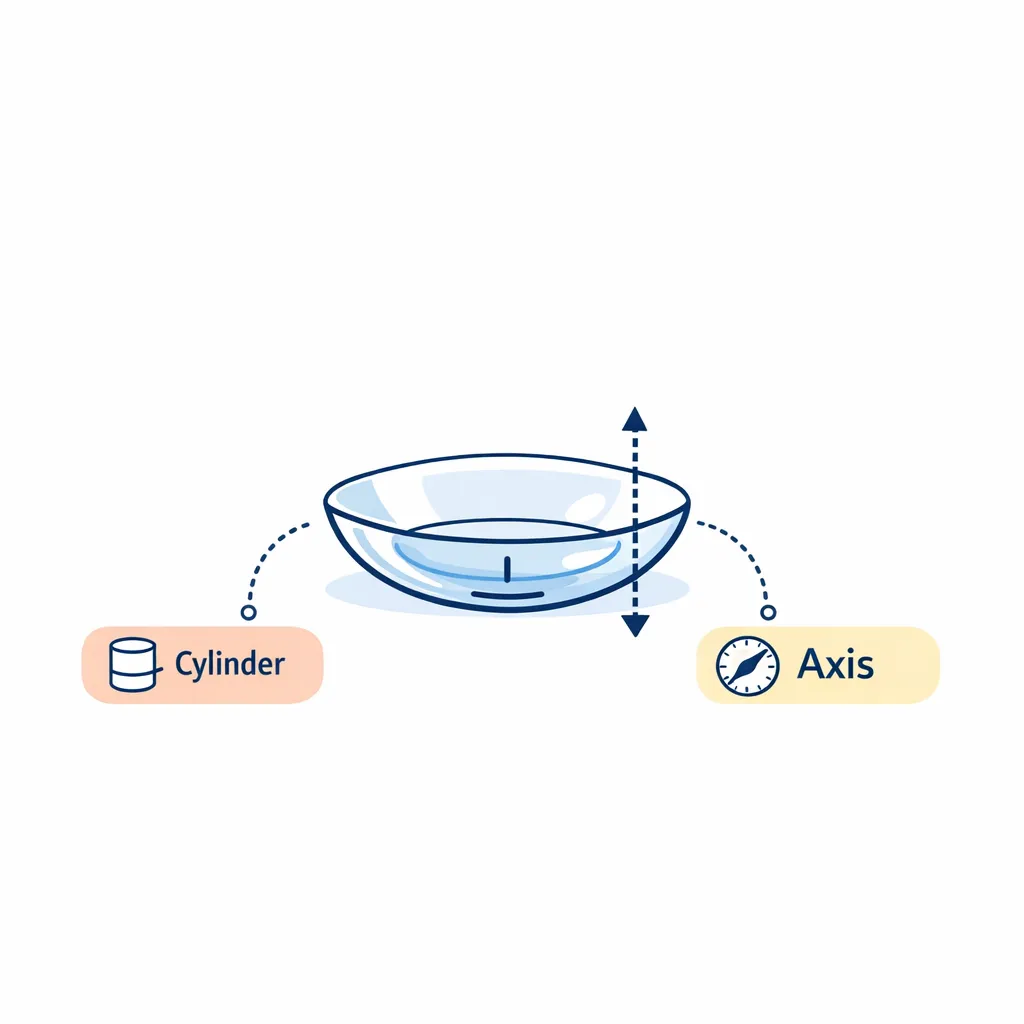
You’ll typically need toric contact lenses (they have Cylinder/Axis values).
Not every colored line offers toric versions.
If you can’t find your exact toric parameters in a colored lens you want, don’t “wing it” with a regular spherical colored lens — ask your eye doctor about options (or consider glasses + non-prescription colored lenses only if prescribed and properly fitted).
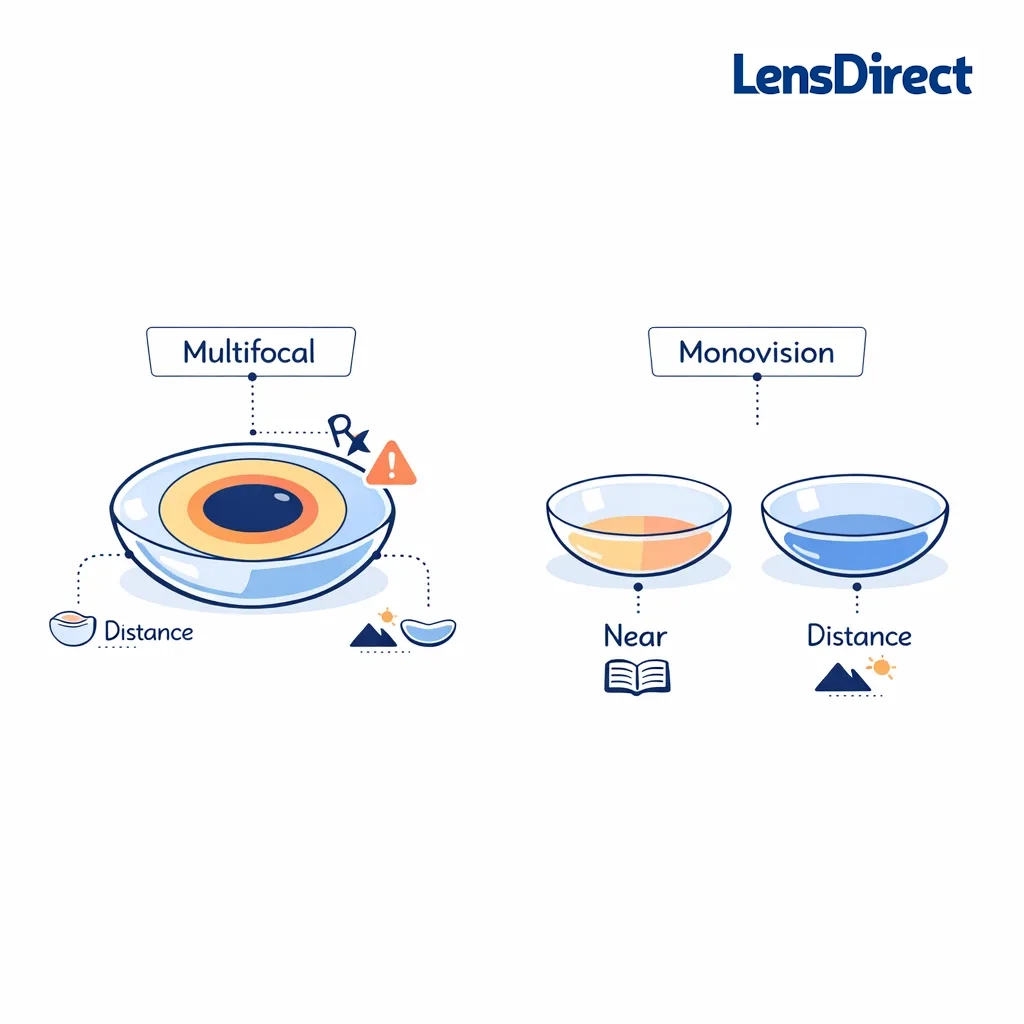
If you need multifocals (presbyopia)
Colored multifocals exist but can be limited by brand and power range. Your eye doctor may suggest:
- multifocal colored lenses (if available for your Rx),
- monovision contacts,
- or colored contacts plus reading glasses.
Bottom line: the “cute color” is never worth compromising comfortable, stable vision.
5) Daily vs. monthly colored contacts: pick the schedule you can realistically follow
Your safest choice is usually the one you’ll maintain properly.
Daily disposables
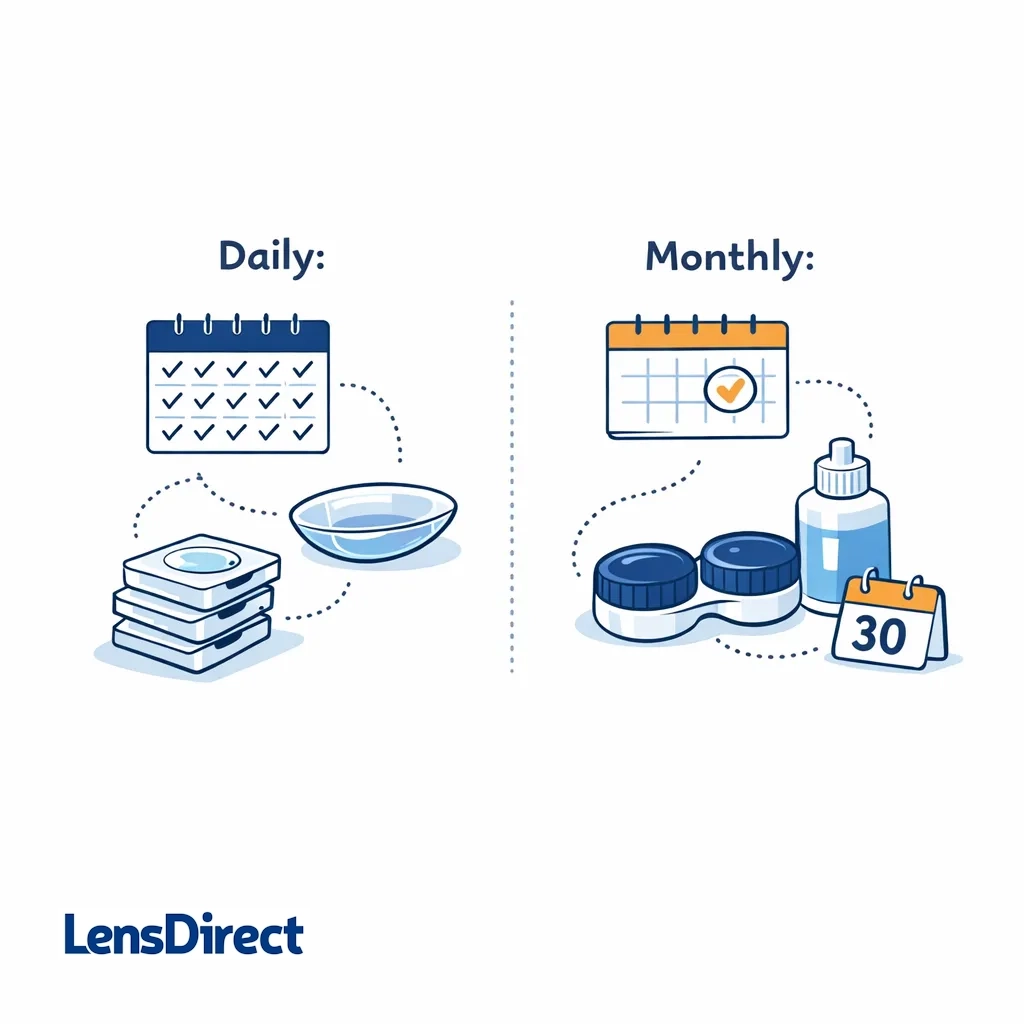
- Fresh pair every time
- No cleaning solution needed
- Great for occasional wear (events, weekends, photos)
- Often considered the easiest for hygiene consistency
Bi-weekly/monthly lenses
- More routine and maintenance required
- Must be cleaned and disinfected correctly
- You’ll need to track replacement dates and replace the lens case regularly
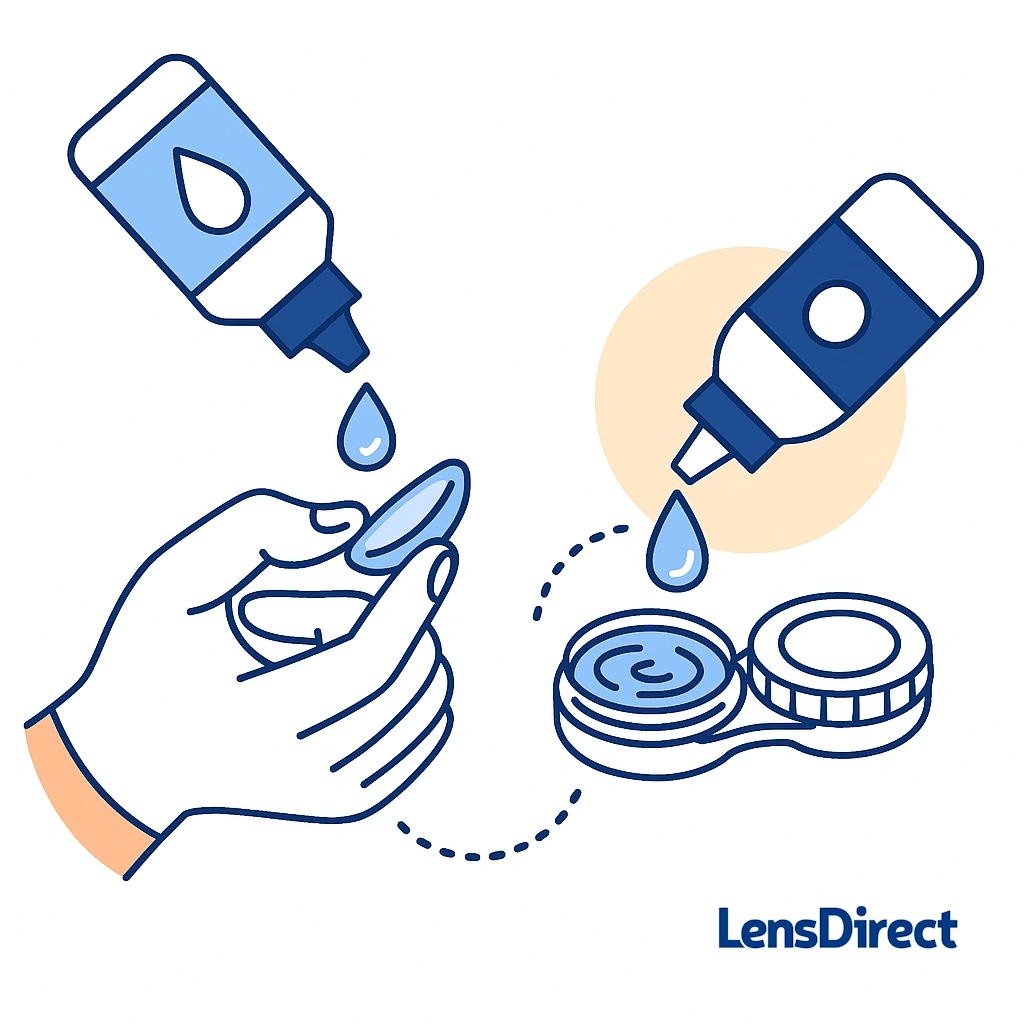
If you’re the type who knows you’ll forget cleaning steps or replacement schedules, daily disposables can be the simplest “set yourself up for success” option.
6) Buy colored contacts from reputable sources (and skip these common traps)
The FDA explicitly warns against buying lenses from many non-medical retailers (think novelty shops, beauty supply stores, flea markets, Halloween stores, or sites that don’t require a prescription). (U.S. Food and Drug Administration)
When you’re shopping, look for signs you’re dealing with a legitimate seller:
Good signs:
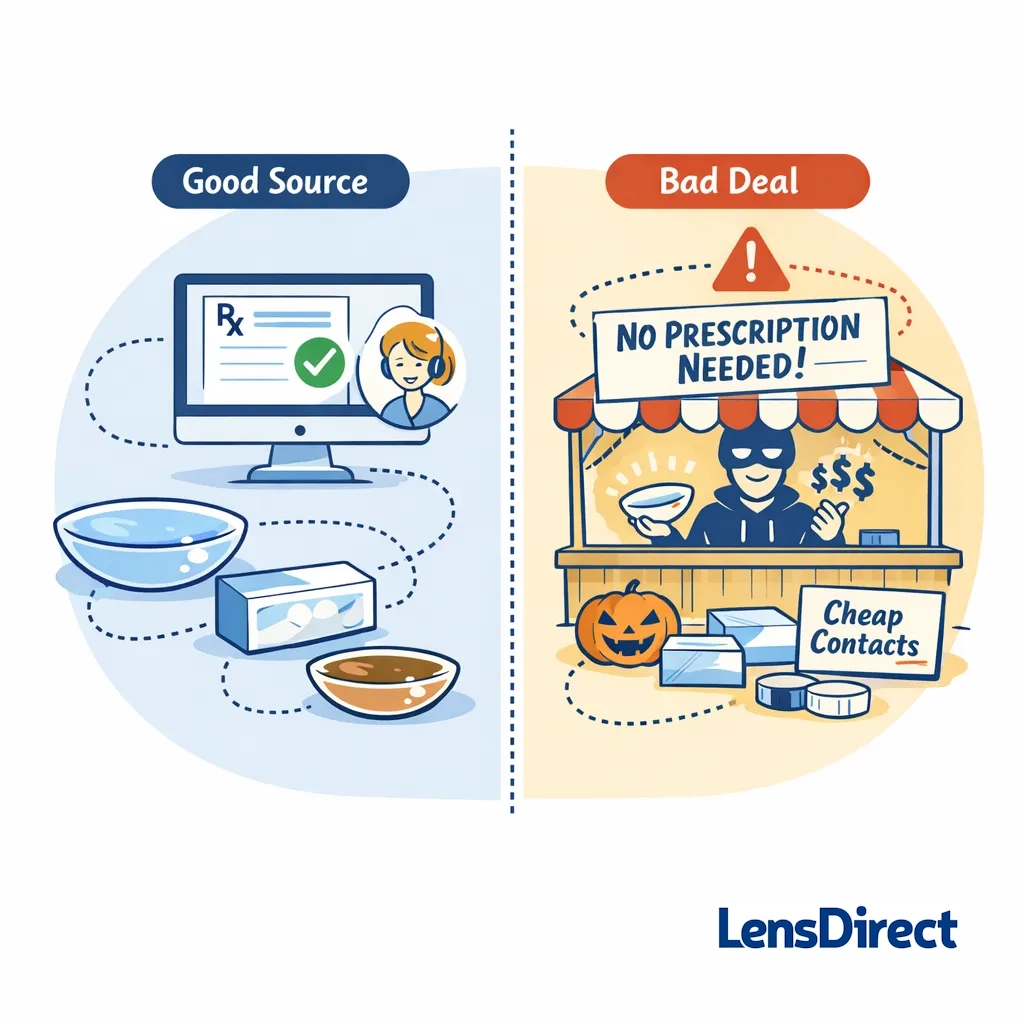
- Requires a valid prescription
- Has clear customer support and return policies
- Ships sealed, labeled lenses with expiration dates
- Carries recognizable manufacturers/brands
Red flags:
- “No prescription needed”
- Extremely cheap “costume lenses”
- Unlabeled packaging or missing instructions
- Vendors who can’t explain wear schedule or care
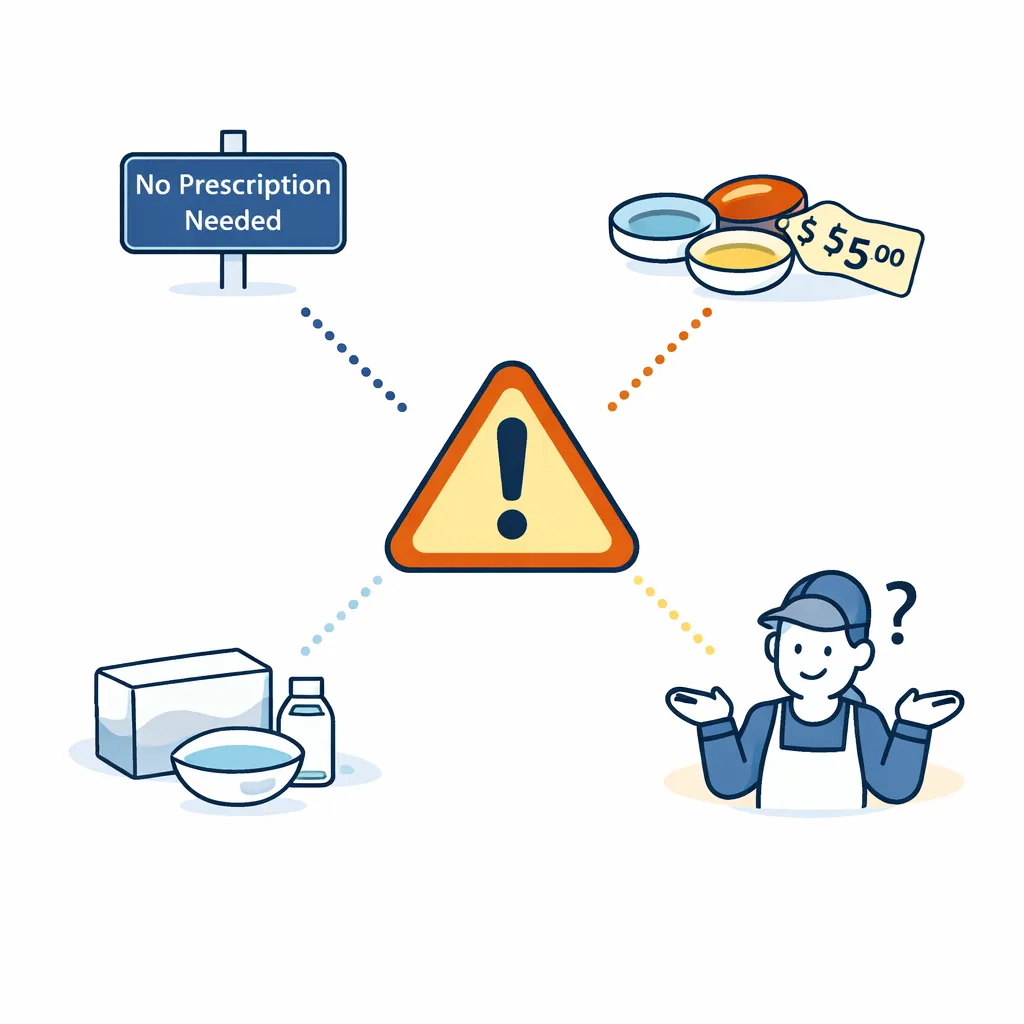
7) The safety rules that matter most (seriously — save this checklist)
Even perfectly fitted, prescribed colored contacts can become unsafe if you wear them incorrectly.
The big rules:
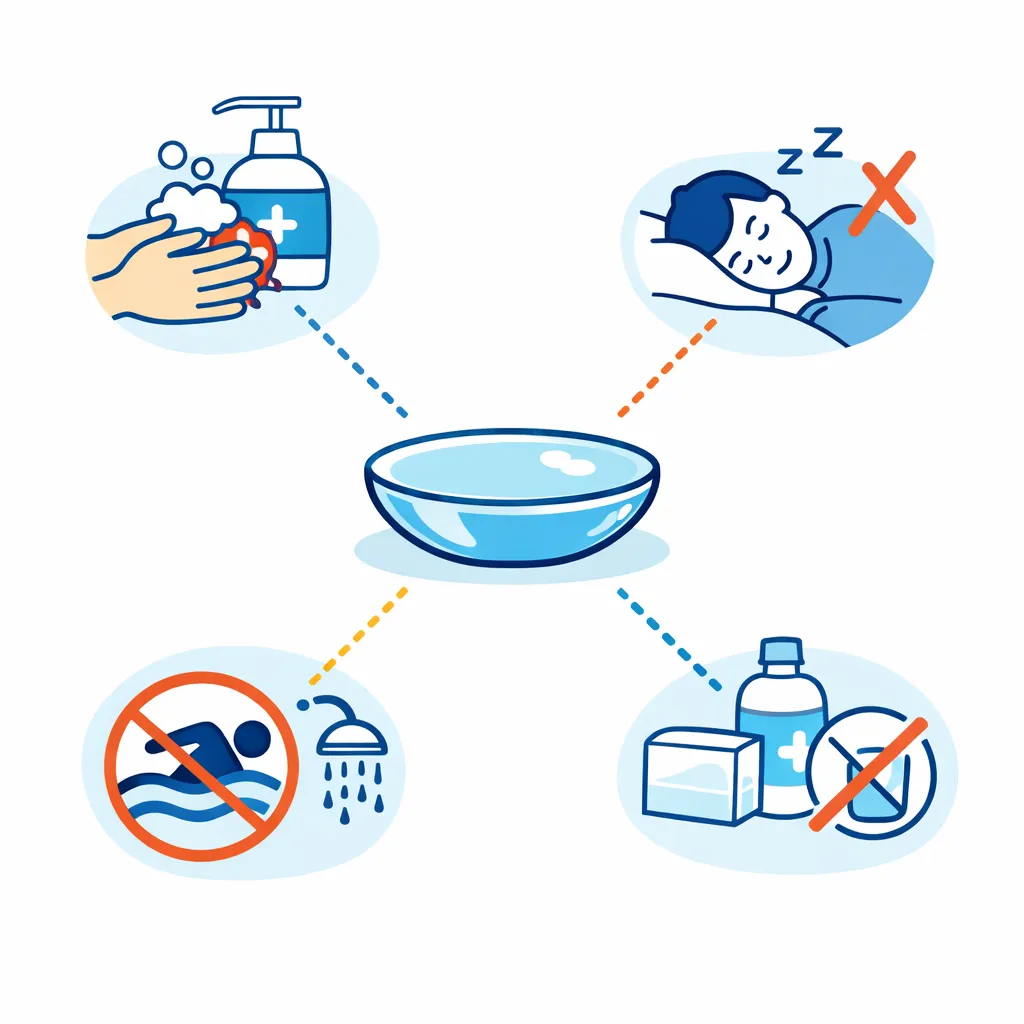
- Wash hands with soap and water and dry fully before handling lenses. (CDC)
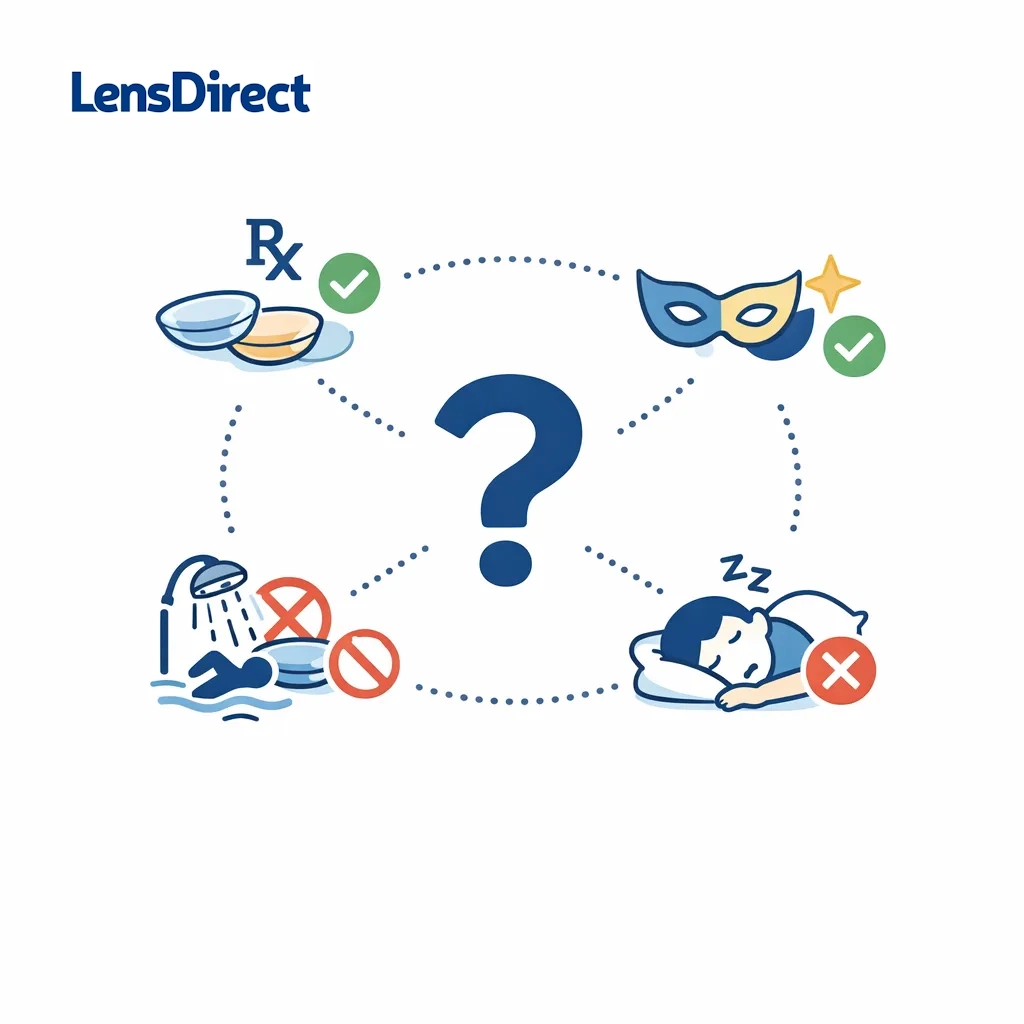
- Don’t sleep in contacts unless your eye doctor specifically says it’s okay. (CDC)
- Keep contacts away from water (no swimming, showering, hot tubs). (CDC)
- Never use water or saliva to “rinse” lenses — only proper contact lens solution. (CDC)
- Never share contacts (not even “just for a photo”).
- Follow the replacement schedule exactly (daily means daily).
If water touches your contacts
CDC guidance is clear: water + contacts is a bad combination. If water contacts your lenses, remove them as soon as possible and either discard them (if they’re dailies) or clean/disinfect them overnight before wearing again. (CDC)
8) How to tell if a colored lens isn’t fitting right
Colored contacts sometimes feel different than clear contacts because of the printed pigment layer and design. Mild awareness can be normal at first, but these are warning signs:
- Persistent scratchy feeling
- Increasing redness or burning
- Blurry vision that doesn’t clear with blinking
- Light sensitivity
- Excessive tearing
- Pain, discharge, or swelling
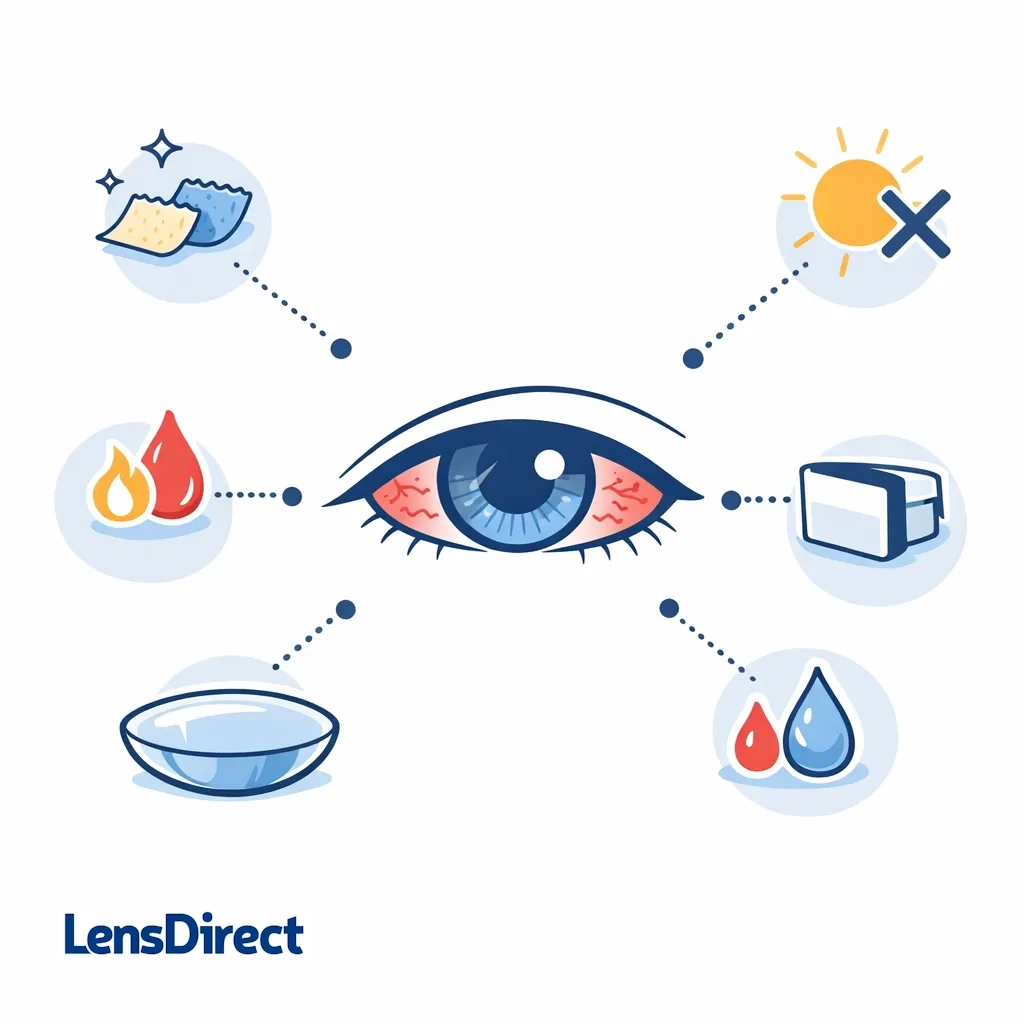
If you have pain, redness, or vision changes, remove the lens and contact an eye doctor promptly. CDC materials specifically recommend removing lenses and seeking care if you have symptoms like pain, red eyes, or blurred vision. (CDC)
9) Choosing a color that looks good and believable
Safety first — but let’s talk aesthetics. A few guidelines make picking easier:
If you want “people think it’s real”
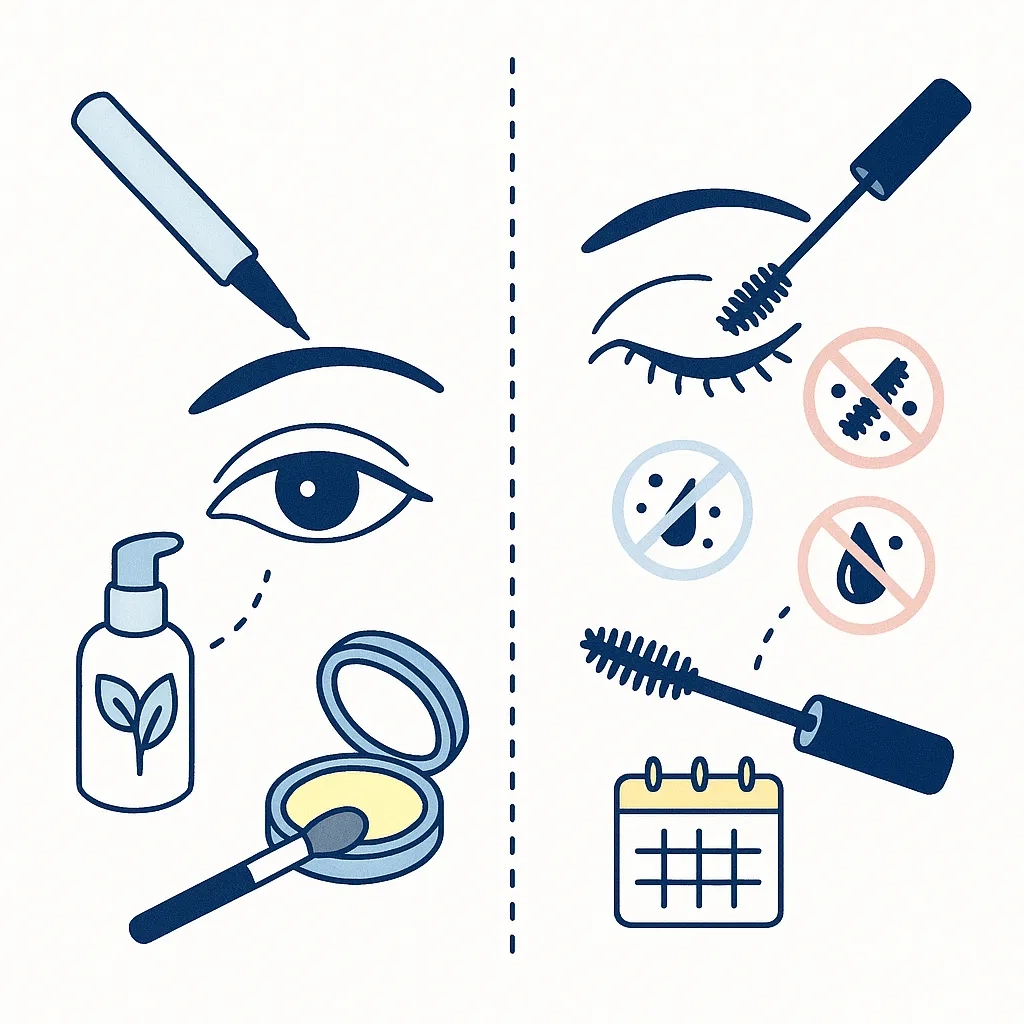
- Choose shades close to your natural range (brown → hazel; blue → gray-blue; green → olive)
- Look for multi-tonal designs (not flat, single-color fills)
- Consider a soft limbal ring rather than a thick, dark one
If you want a noticeable change
- Opaque colors give the strongest shift (especially on brown eyes)
- Gray, green, and honey can pop dramatically depending on the design
- High-contrast looks best in controlled lighting/photos — can look intense in bright daylight
Match to your undertone
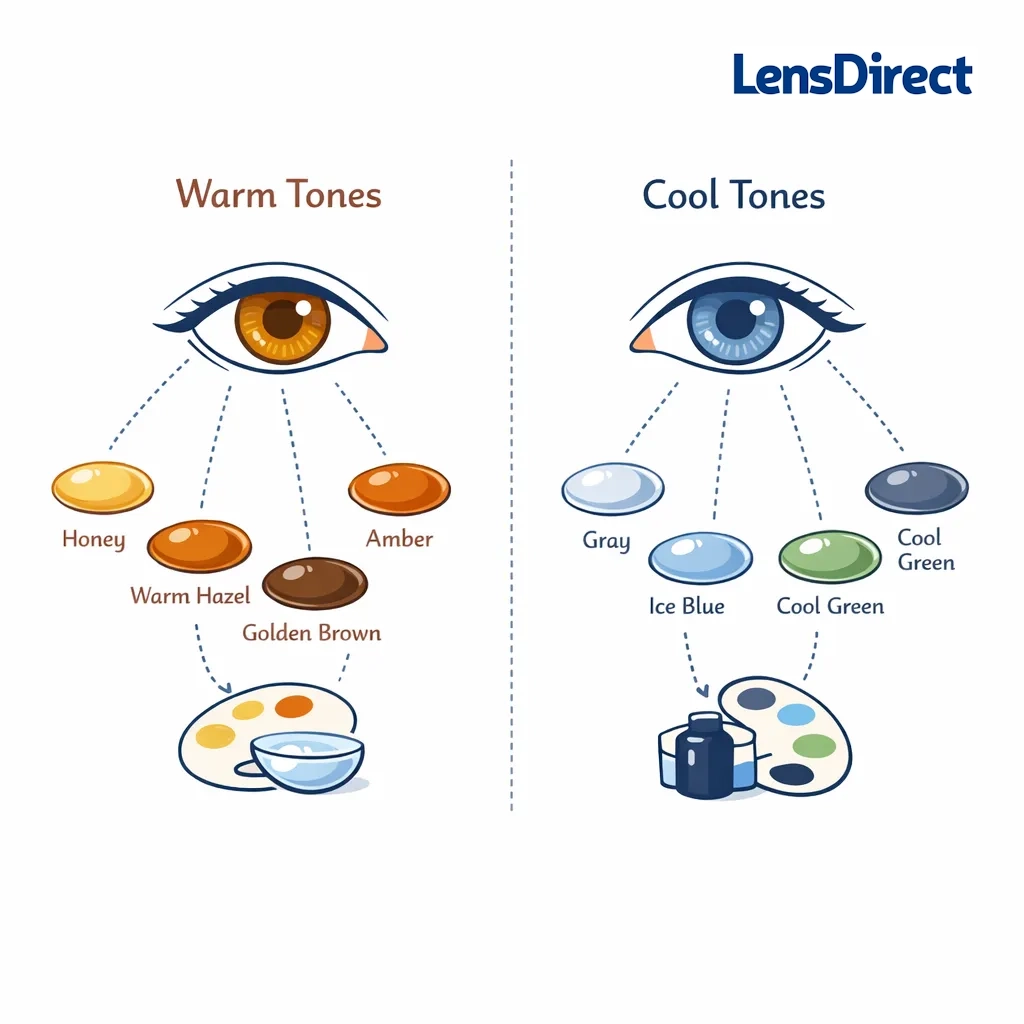
- Warm undertones: honey, amber, warm hazel, golden browns
- Cool undertones: gray, ice blue, cool green, graphite
And if you’re torn between two shades, start with the more natural option — then go bolder once you know the fit and comfort are solid.
10) The safest way to wear colored contacts: keep it boring (in the best way)
Colored contacts are at their best when they’re boring behind the scenes: properly prescribed, correctly fitted, purchased from reputable sellers, and worn with clean, consistent habits.
Ready to try colored contacts the safe way?
Shop LensDirect for prescription and non-prescription color contacts from trusted brands — then order using your valid contact lens prescription for a look you’ll love (and eyes that feel great).
11) Frequently Asked Questions
“Can I buy colored contacts if I don’t need vision correction?”
Yes — but you still need a valid prescription and fitting. Decorative lenses must be prescribed. (U.S. Food and Drug Administration)
“Are colored contacts safe for cosplay/Halloween?”
They can be, if prescribed and purchased legally. Many costume sellers are explicitly on the FDA’s “don’t buy from” list. (U.S. Food and Drug Administration)
“Can I shower or swim with colored contacts?”
It’s strongly discouraged — CDC warns to keep lenses away from water due to infection risk. (CDC)
“Can I nap in colored contacts?”
Avoid sleeping in lenses unless your eye care provider instructs you otherwise. (CDC)
Author

Subscribe to our email newsletter to get the latest posts delivered right to your email.