
If your phone, menu, or laptop suddenly feels easier to read at arm’s length, you are not imagining it. Presbyopia usually becomes noticeable after age 40 and makes close-up focus harder, which is why many adults start looking for something more flexible than switching between regular contacts and reading glasses all day.
This guide is for shoppers who want a plain-English explanation before talking with an eye doctor or ordering online. You will learn what multifocal contact lenses actually do, who tends to like them, where they can fall short, and how to make a smarter buying decision with LensDirect or any other retailer.
Multifocal contact lenses are contacts designed to give you distance, intermediate, and near correction in one lens, typically using simultaneous-vision optics so your visual system can sort out the image that matters most for the task in front of you.
- They are often a good fit for people who want fewer glasses changes during the day.
- The biggest tradeoffs are usually adaptation time, task-specific blur, and nighttime visual compromises.
- If you also have astigmatism or very specific visual demands, your fitting may need more customization.
What are multifocal contact lenses?
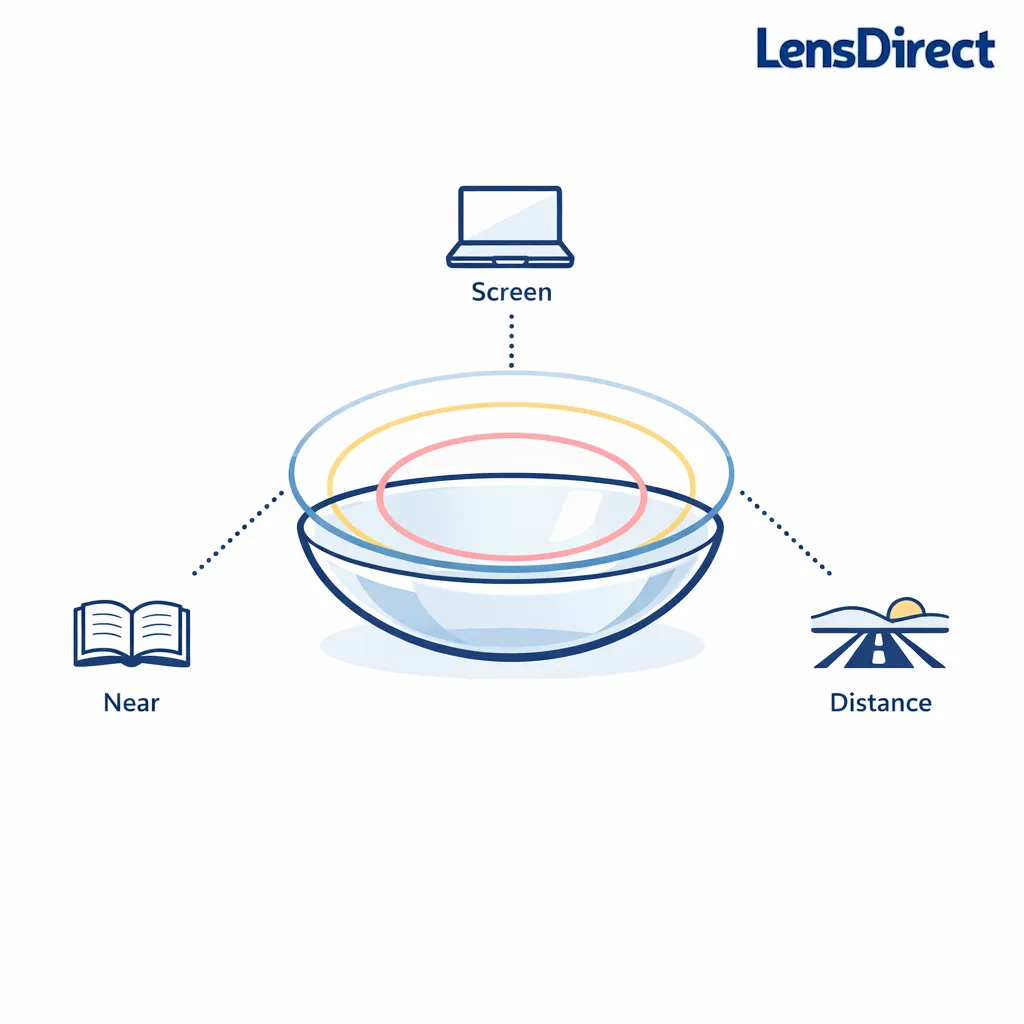
Multifocal contact lenses are a presbyopia solution meant to help you see across more than one distance without changing eyewear. Instead of giving you only one focal power, they spread visual correction across the lens so everyday tasks like walking, using a screen, and reading can happen with the same pair.
How they differ from bifocal contacts
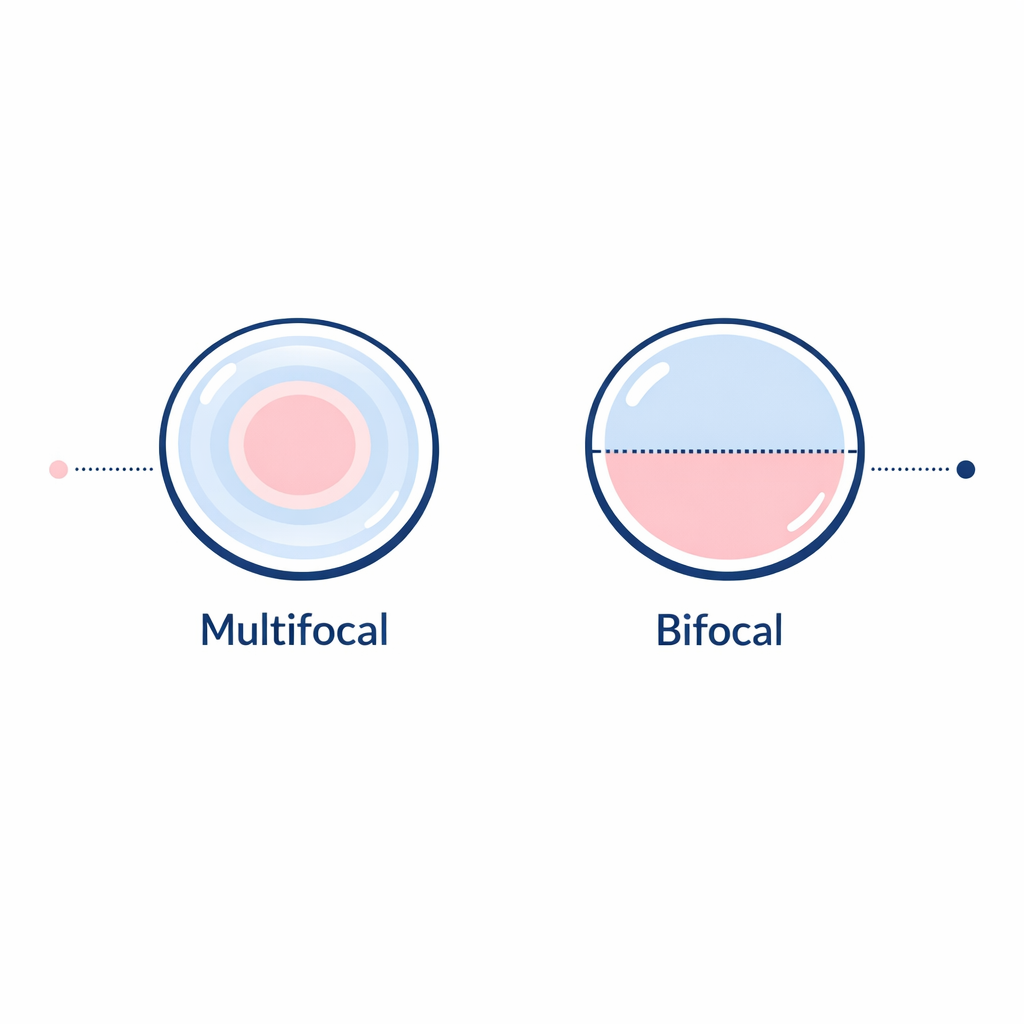
People often use bifocal contacts and multifocal contact lenses as if they mean the same thing, but they are not always identical. In practice, modern lenses more often use aspheric, concentric, or segmented multifocal designs, while “bifocal” is a broader, older label that suggests two viewing powers rather than a smoother range.
For shoppers, the important point is simple: both terms usually refer to contacts intended to help with near and far vision at the same time. Your doctor and retailer may use “multifocal” more often because that better matches how many current soft lenses are designed.
Why presbyopia makes close-up vision harder after 40

Presbyopia is the age-related change behind the whole conversation. As the eye’s natural focusing system becomes less flexible, near work gets less effortless, so small print, dim restaurants, and late-night phone use can all become more annoying.
This is why someone who has been perfectly happy in single-vision contacts for years may suddenly want a lens that can help with reading and screen distance too. It is a normal vision change, not a sign that you did something wrong.
How multifocal contact lenses work
- The lens includes more than one viewing power.
- Light for far, intermediate, and near tasks is presented to the eye at the same time.
- Your brain learns to pay more attention to the sharpest image for what you are doing.
- The exact result depends on lens design, your prescription, and how your eyes respond in real life.
Simultaneous vision explained
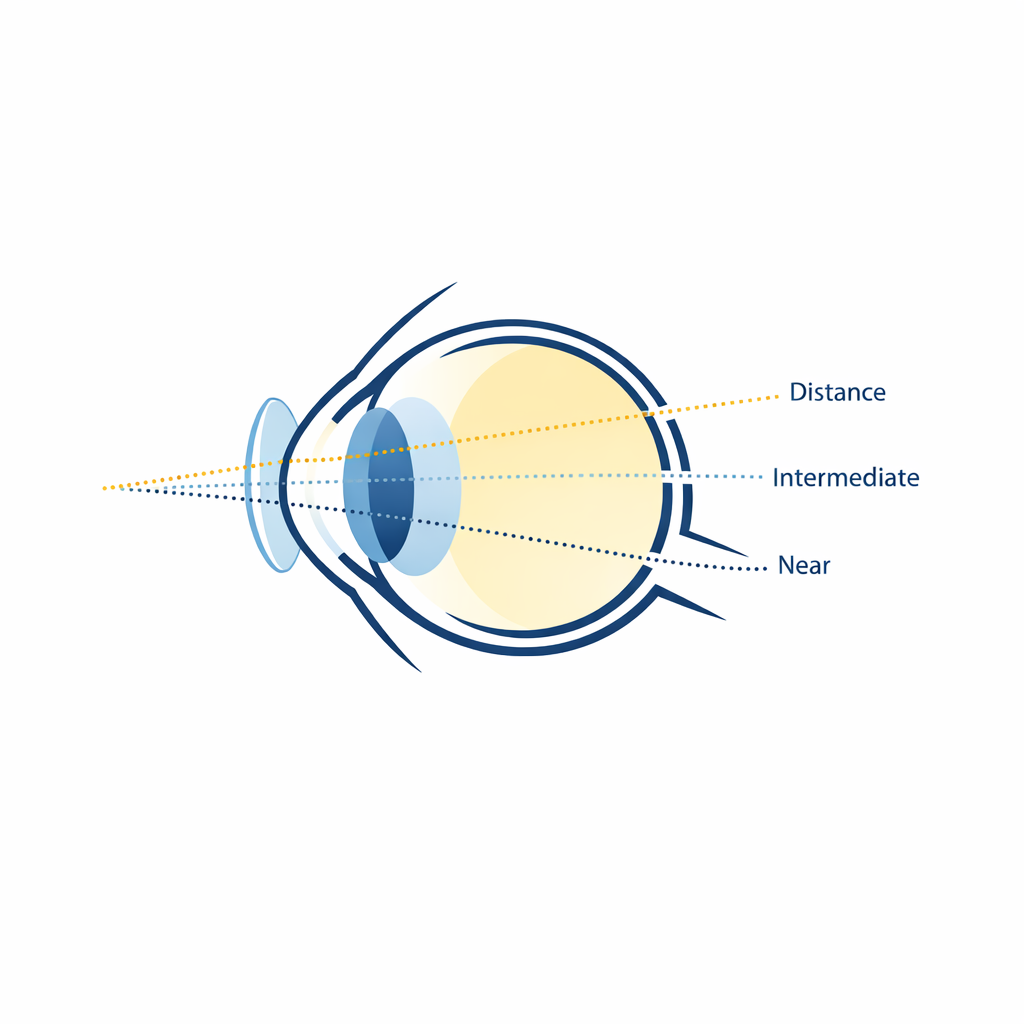
Multifocal contacts do not work like a camera lens that mechanically refocuses. Instead, they rely on simultaneous vision, which means multiple focal options are available at once and your brain gradually gets better at selecting the image that matters most in the moment.
That is why first impressions can be misleading. A lens may feel slightly strange on day one and noticeably better after normal wear, especially when you test it in the places that matter most to you, like your commute, office, kitchen, or favorite restaurant.
Aspheric vs concentric vs segmented designs
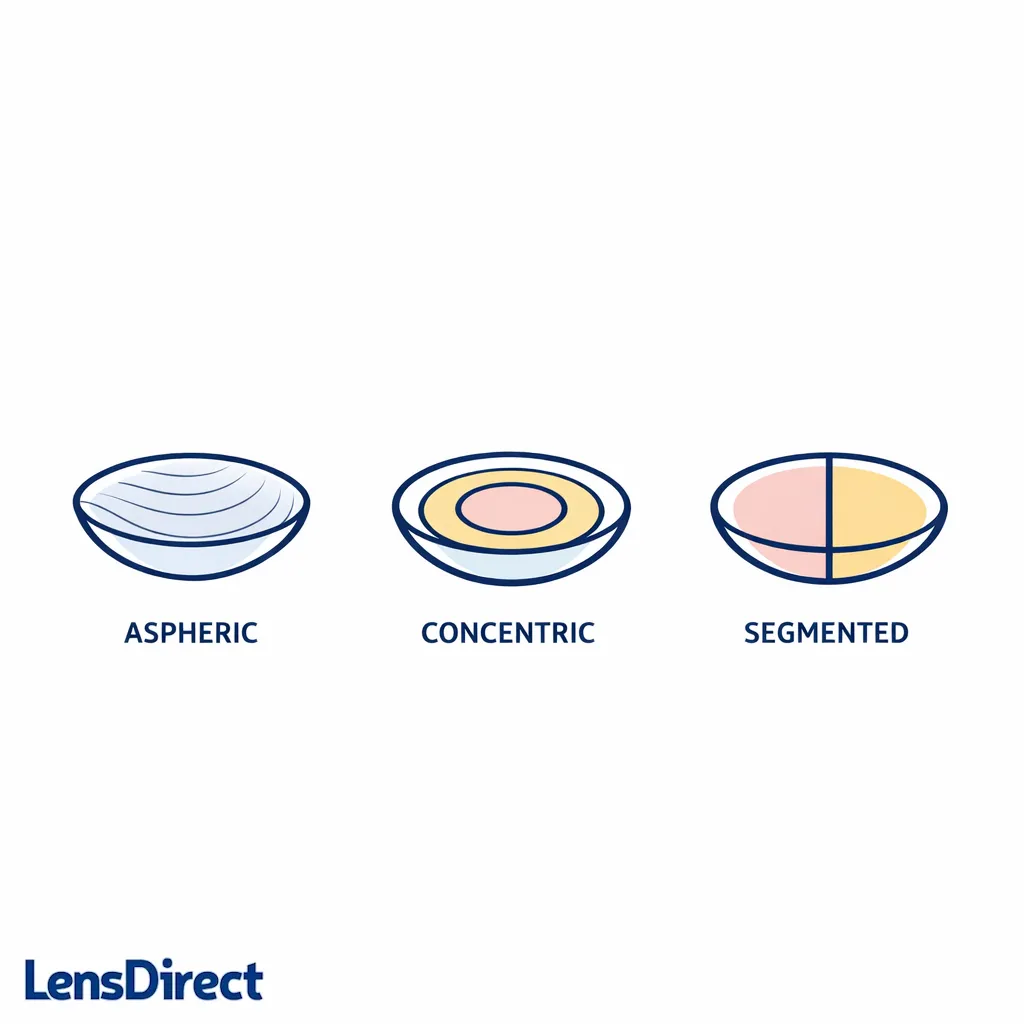
Different designs solve the same problem in different ways. Some lenses change power gradually across the surface, some use ring-like zones, and some separate viewing areas more distinctly.
You do not need to memorize the optics to be a smart shopper. What matters is that one design may give you better screen comfort, another may help more with small print, and another may feel better for driving, so the “best” multifocal is usually the one that matches your prescription and daily tasks rather than the one with the loudest marketing.
How pupil size and brain adaptation affect clarity

Multifocal success is not only about the written prescription. It is also about how the lens sits on your eye, how your pupil behaves in different lighting, and how quickly your brain adapts to the visual tradeoffs.
If you are wondering why reading can still feel off at first, that is common. Adaptation can include halos, glare, mild blur, and a short learning period, especially when you switch between bright outdoor light, dim indoor light, and long stretches of near work.
Who should consider multifocal contacts?
Best candidates
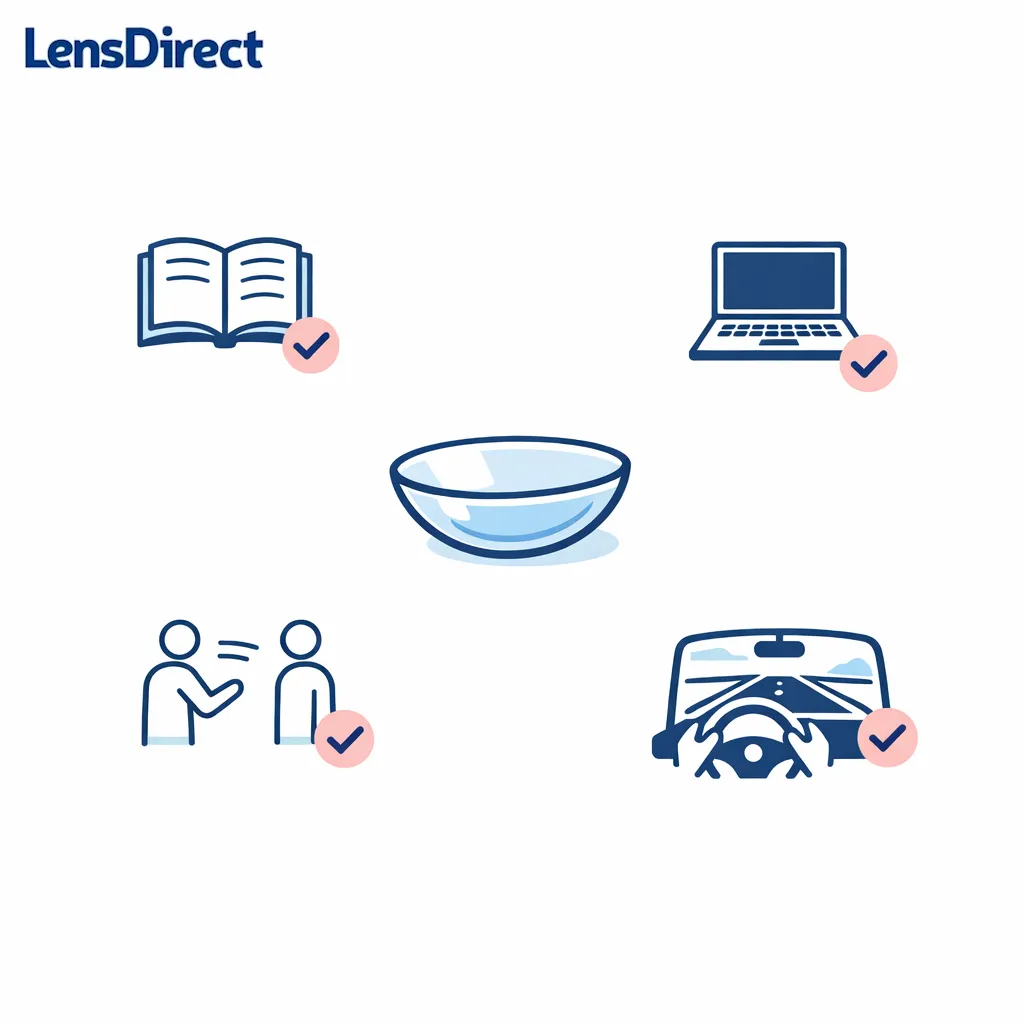
Good candidates are usually adults with presbyopia who want one contact lens to handle most of the day instead of juggling distance contacts and readers. They tend to do best when their goal is practical all-day function, not absolute perfection at every distance in every lighting condition.
They can be especially appealing if you move constantly between tasks such as texting, working on a laptop, speaking with people across a room, and driving. If convenience matters as much as sharpness, multifocals are worth asking about.
Who may struggle or need alternatives

Some people want extremely crisp vision for one demanding task, such as long hours of tiny print or regular nighttime driving in challenging conditions. For them, a contact lens setup that is “good at everything” may feel less satisfying than a setup that is excellent at one priority and supported by glasses for the rest.
Another group that may need a different plan is people who simply do not like compromise in their vision. If you try a well-fitted multifocal and still feel bothered by the tradeoffs, that does not mean you failed. It just means your eyes or your priorities may suit a different option better.
Multifocal contacts for presbyopia with astigmatism
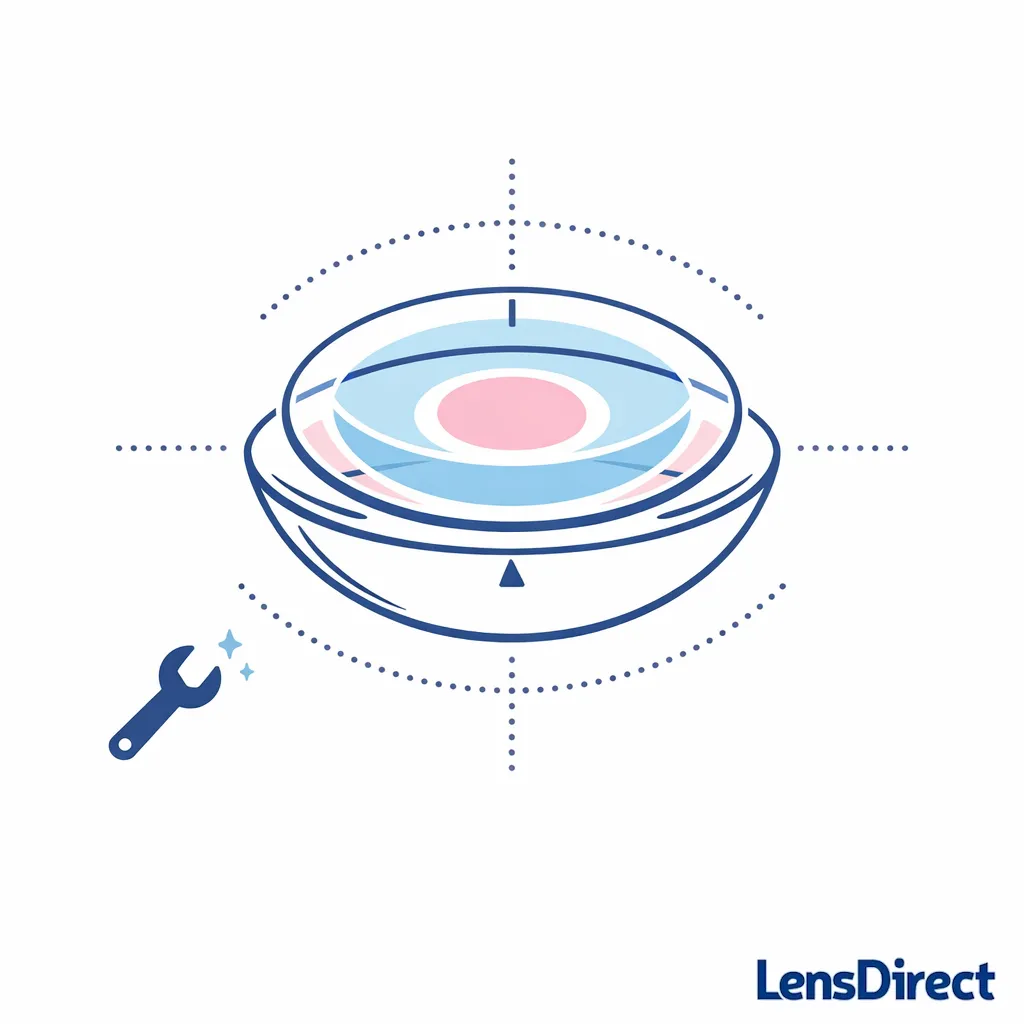
If you have both presbyopia and astigmatism, the conversation gets more specific because astigmatism can add another layer to lens fitting. Your doctor has to think about both range of focus and stable lens orientation, which is why these fittings can take a little more patience.
That does not automatically rule multifocals out. It just means you should go in expecting a more customized recommendation, and possibly a backup plan for tasks where you want extra sharpness.
Benefits and drawbacks

Pros: one lens for near, intermediate, and distance
The biggest benefit is convenience. Multifocal contacts can reduce how often you reach for readers, which can feel liberating during work, errands, travel, and social situations.
They also keep both eyes contributing across a range of distances, which many people find more natural than switching visual strategies throughout the day. If your main goal is fewer interruptions, this is where multifocals shine.
Cons: adaptation period, halos, glare, mild blur, cost
The main downside is that multifocal vision is usually a balancing act. You may gain range but lose a bit of the razor-sharp single-distance feel you were used to in standard contacts.
Common complaints include night glare, mild blur for very small print, or the sense that one distance feels stronger than another. They can also involve a more detailed fitting process, which is part of why shoppers should compare not just the product price but the overall experience of getting the lenses dialed in.
Multifocal contacts vs monovision vs bifocal contacts
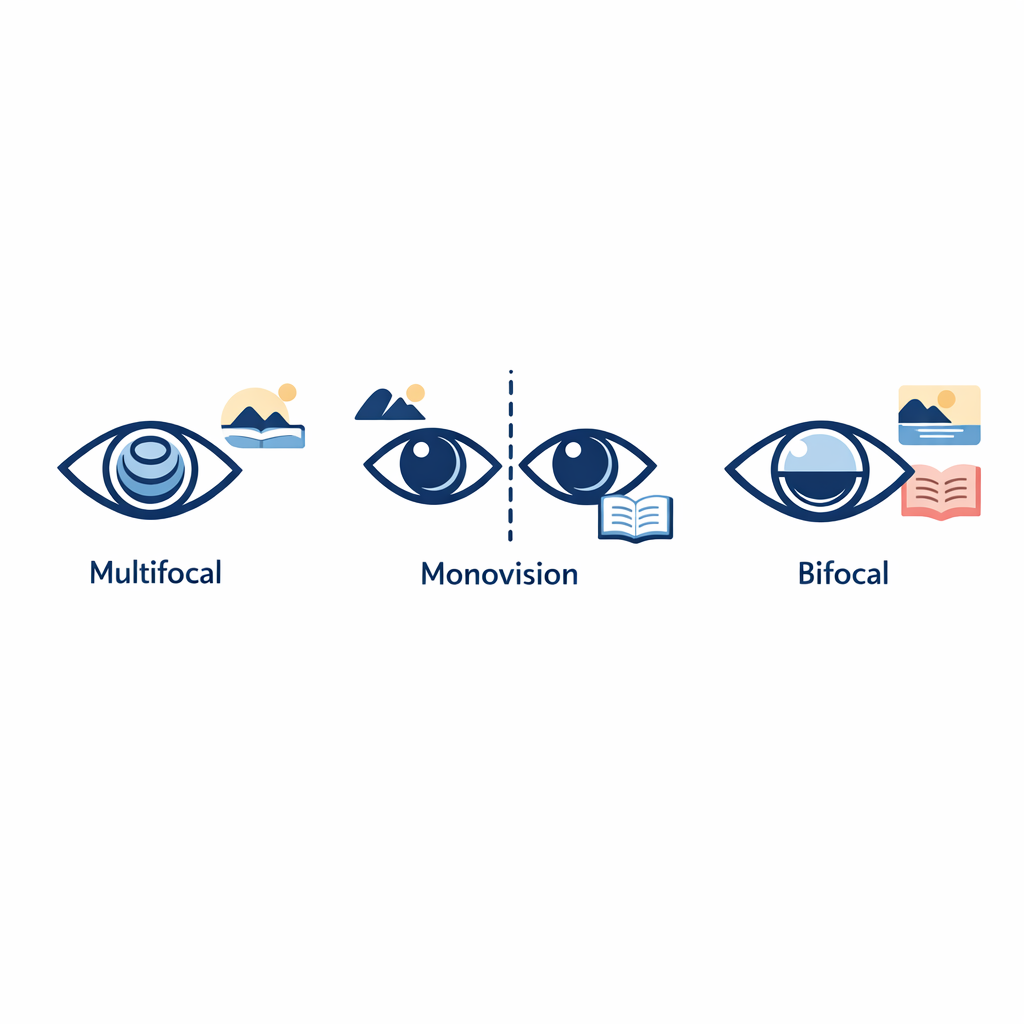
If you are comparing options, the real question is not which category sounds best. It is which compromise matches your life.
- Multifocal contacts: usually the best starting point if you want balanced performance for reading, screens, and daily movement without relying on readers as often.
- Monovision: corrects one eye mainly for distance and the other mainly for near, which some people love for simplicity but others notice more during depth-sensitive tasks.
- Bifocal contacts: often used as a shopping term for presbyopia contacts in general, though the lens design may be simpler or more distinctly zoned than a typical modern multifocal.
For heavy reading, some people still prefer occasional readers over contacts. For mixed daily wear, multifocals are often the most balanced place to start. For people who cannot get the right mix of clarity and comfort, monovision may be worth a trial discussion with an eye doctor.
What to expect during fitting and adjustment
Eye exam and fitting process
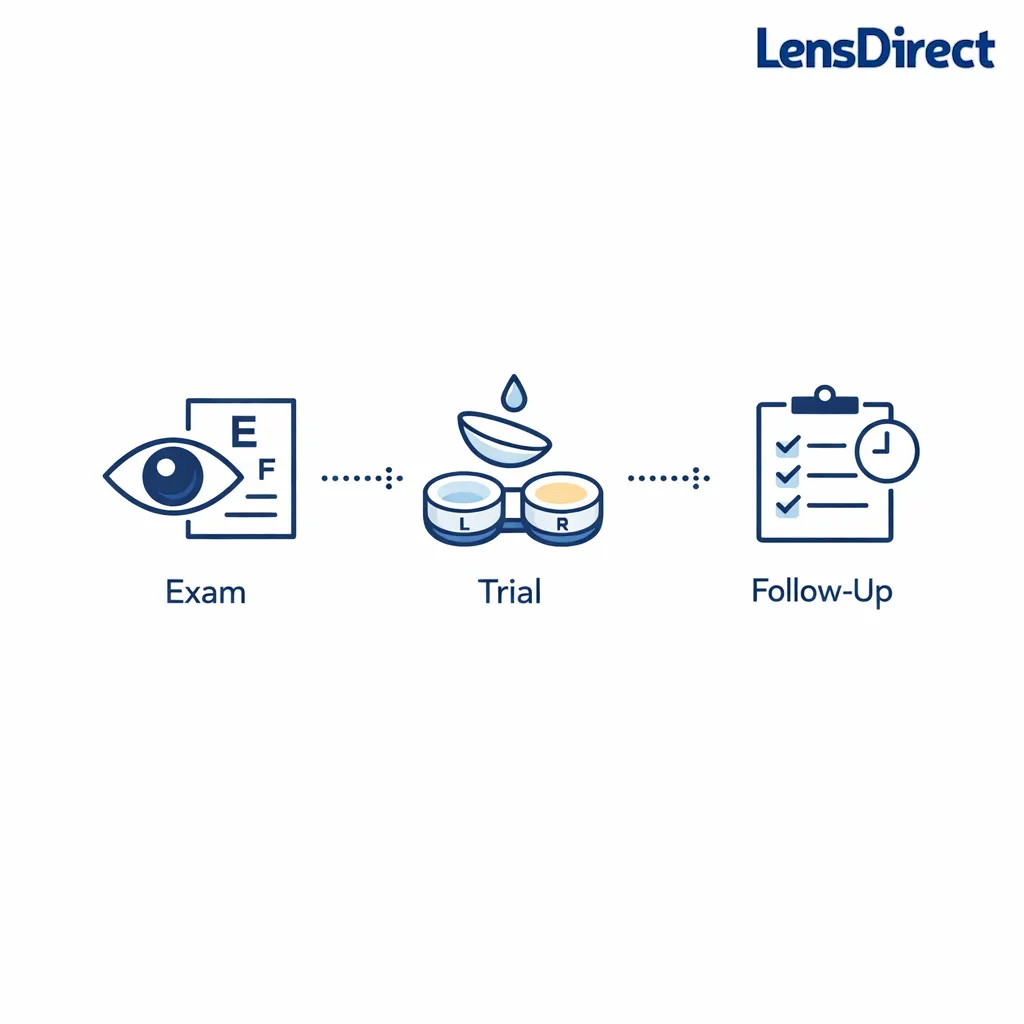
A successful experience starts with the basics: contact lenses are medical devices that need an exam, fitting, and follow-up. Your doctor is checking more than prescription strength. They are also looking at lens movement, comfort, eye health, and how you perform at different distances.
This is why ordering purely by brand name can backfire. Two people with similar prescriptions can still prefer different multifocal designs once real-world comfort and clarity enter the picture.
How long adaptation usually takes
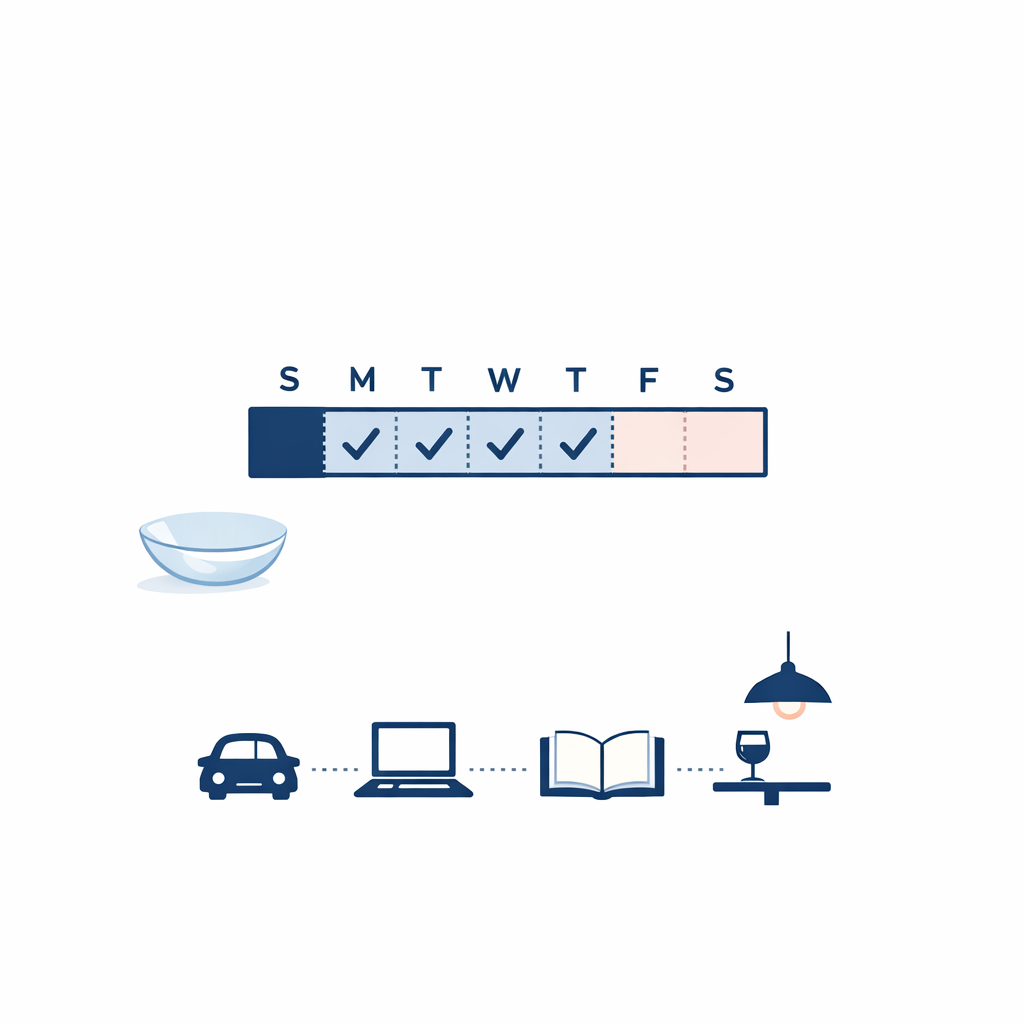
Many wearers need some adjustment time before they can judge the lens fairly. The smartest approach is to wear trial lenses consistently, test them in real settings, and keep notes on what is specifically off rather than simply saying “they’re blurry.”
Precise feedback helps. “Distance is fine, but my laptop dips after lunch,” or “night driving has halos” gives your eye doctor far more to work with than a thumbs-up or thumbs-down.
Tips if reading or night vision feels off
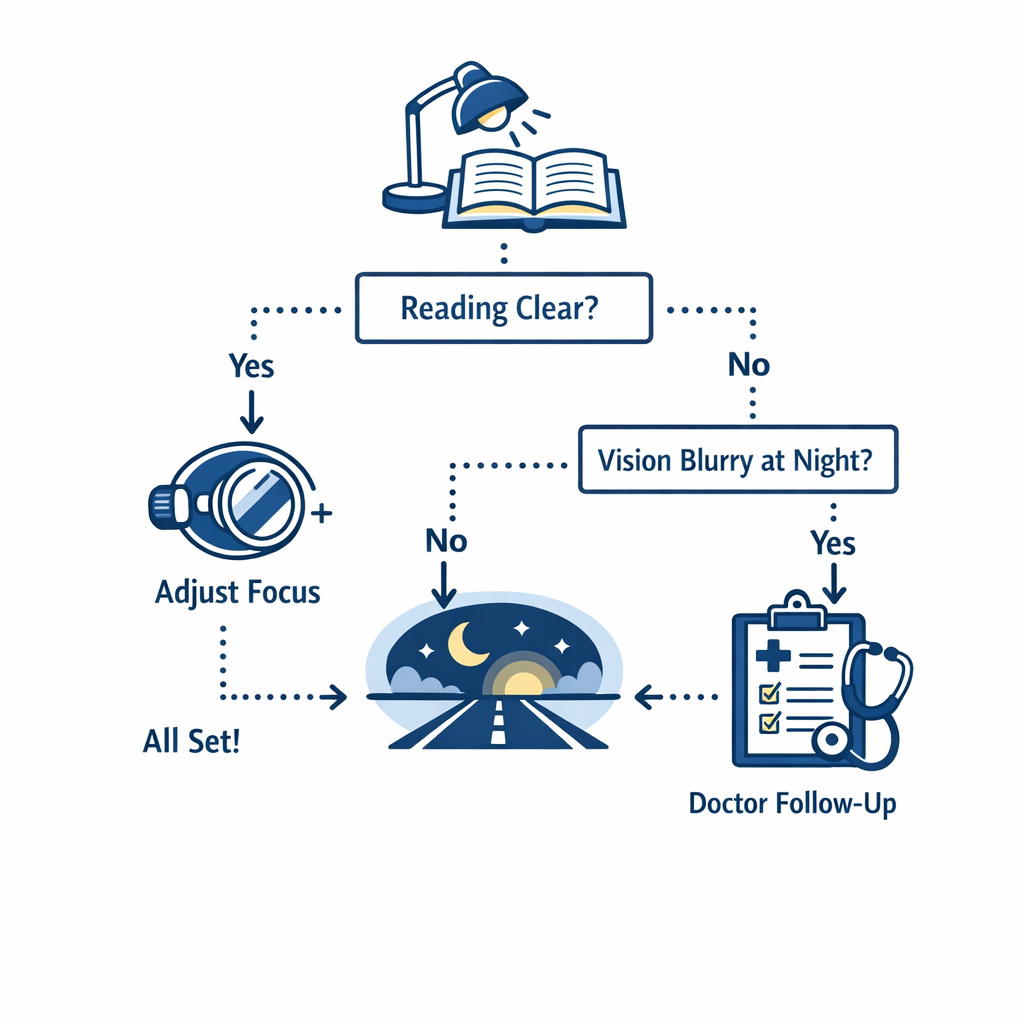
- Give the trial enough time before making a final decision.
- Test the lenses in the tasks you care about most, not just in the exam chair.
- Use good lighting for tiny print, especially early on.
- Ask whether the near add, lens design, or overall strategy should be adjusted.
- If your eyes become painful, very red, or light-sensitive, remove the lenses and contact your eye doctor promptly.
If you are looking for the “trick” to wearing multifocal contacts, it is not a secret hack. It is consistent wear during the trial period, realistic expectations, and specific feedback that helps your doctor fine-tune the lens.
Types, wear schedules, and common brand options
Daily vs monthly multifocal lenses
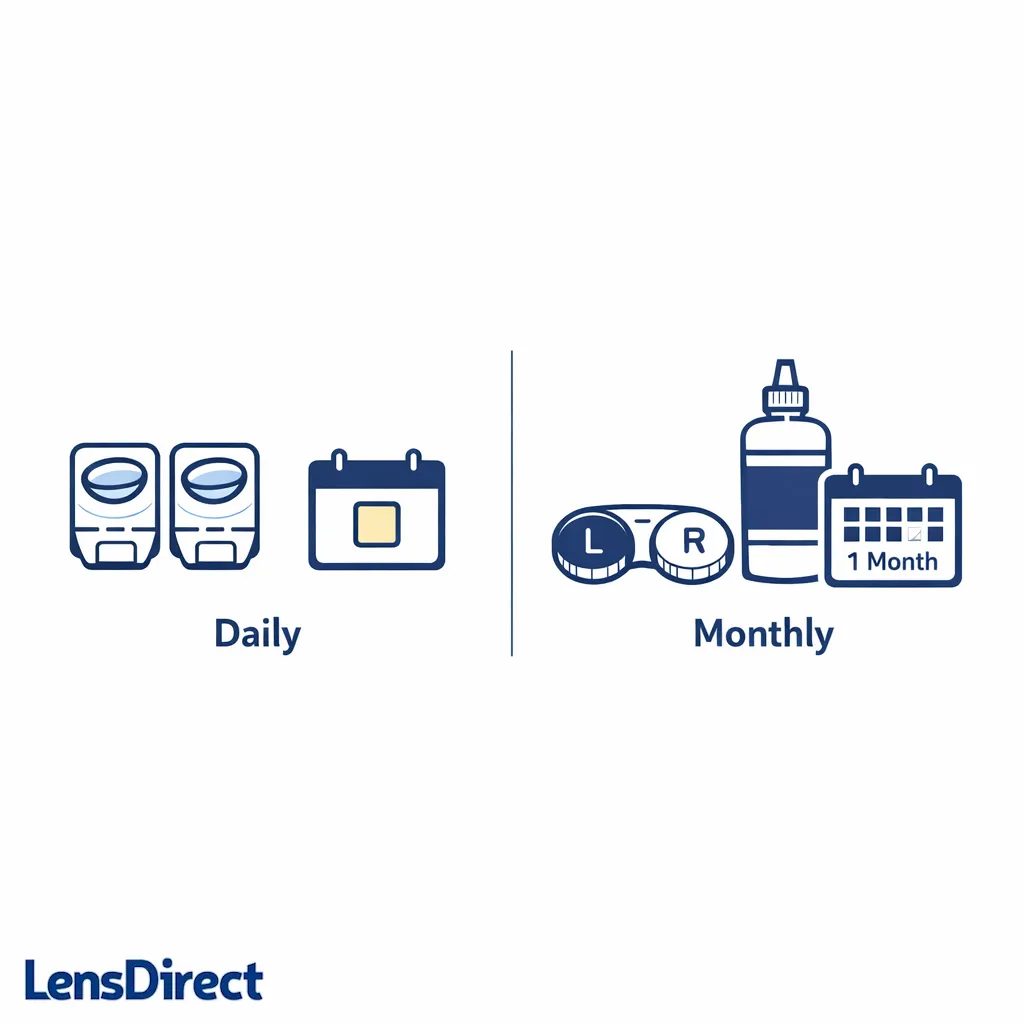
Your main shopping choice is often daily disposable versus reusable planned-replacement lenses. Dailies are straightforward and low-maintenance, while monthly lenses ask more from your care routine but may suit people who wear contacts more regularly and do not mind cleaning and storage.
Think about your actual habits, not your ideal habits. If convenience, travel, or occasional wear matters most, dailies may feel easier. If you are consistent and wear contacts most days, monthlies may be the more practical conversation to have.
Soft, RGP, and toric multifocal options
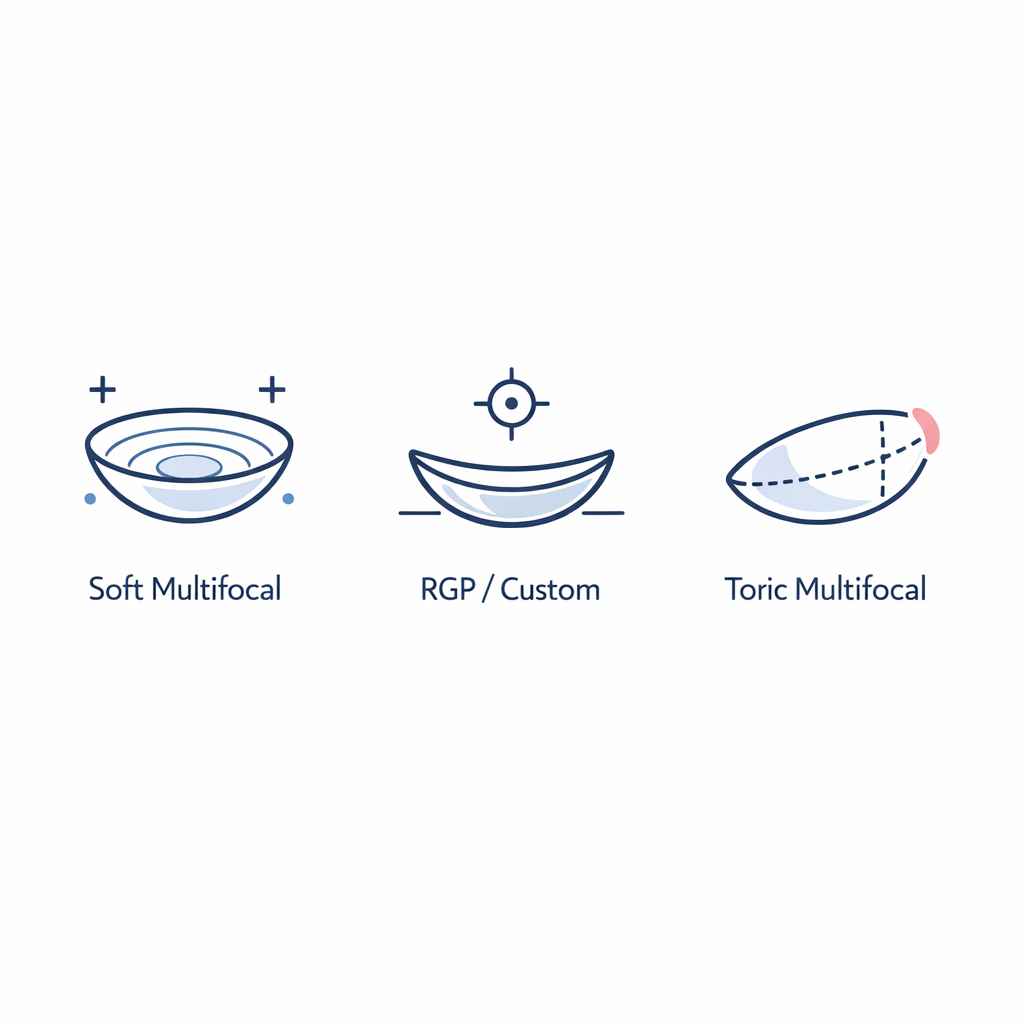
Soft multifocals are often the first thing shoppers encounter, but they are not the only path. Some fittings move toward rigid gas permeable or other customized options when vision quality, stability, or prescription complexity makes the first attempt less satisfying.
If you have astigmatism, prior contact lens frustrations, or unusually high expectations for a certain task, tell your doctor early. That can change which category gets tested first and save you time.
Cost and buying considerations
Why multifocal lenses cost more
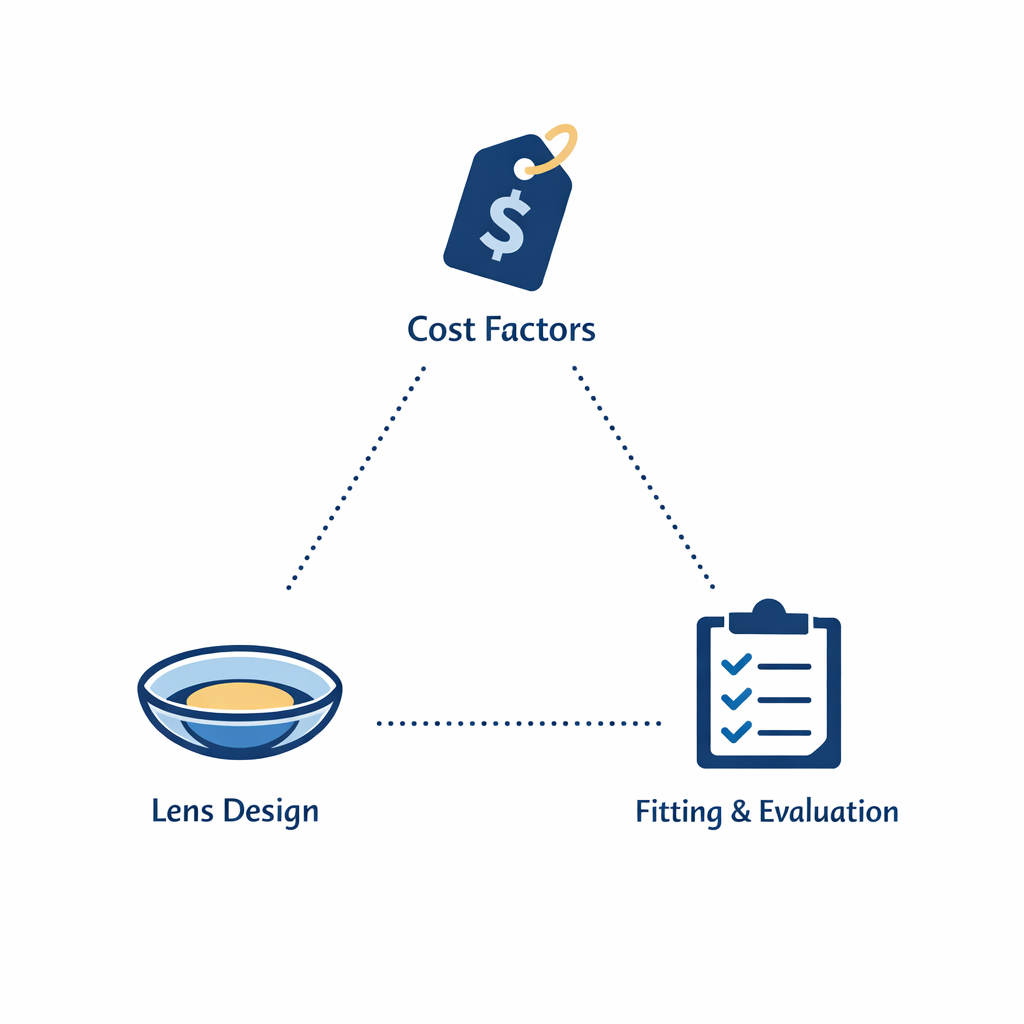
Multifocal contacts often involve more than just a box price. The optics are more specialized, and the fitting can require more comparison and refinement than a straightforward single-vision lens.
When you compare options, look at the full picture: the lens price, how many trials or rechecks may be involved, and how confident you feel that the product matches your everyday needs. The cheapest box is not the best deal if the lens never feels right.
Daily vs monthly cost tradeoffs
For dailies, the appeal is simplicity. For monthlies, the appeal is often routine and longer replacement intervals. The better value depends on whether you wear contacts every day, only a few times a week, or mainly for specific situations like work, travel, or social plans.
Also remember the hidden effort cost. If a reusable lens schedule does not fit your habits, missed cleaning or replacement can undo whatever savings looked good on paper.
Insurance, annual supply, and prescription requirements
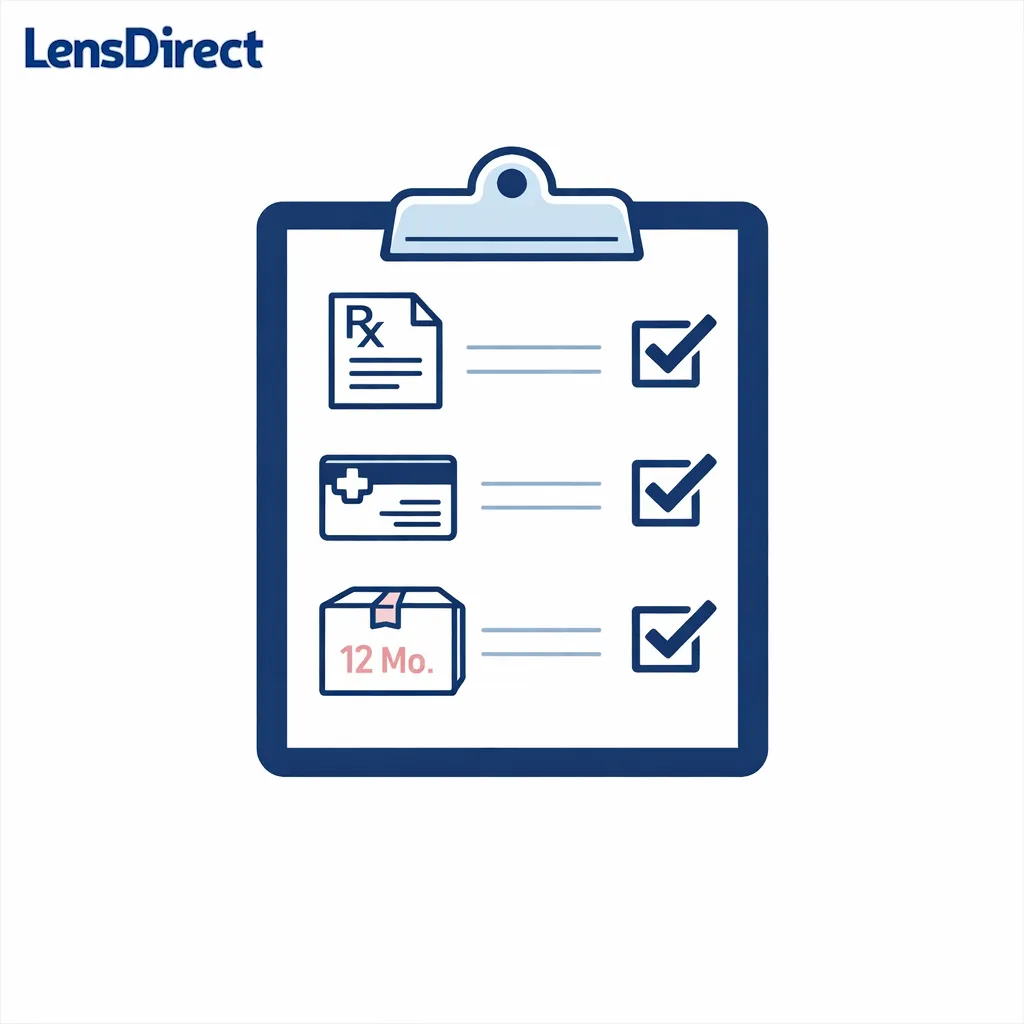
Before you order, make sure your prescription is current. The FTC Contact Lens Rule requires prescribers to give you your prescription after a fitting, which makes it easier to compare options and buy where it is most convenient for you.
If you use insurance, FSA, or HSA dollars, check what paperwork you may need before placing a larger order. If you already know a lens works well for you, an annual supply can make reordering simpler and keep your replacement routine on track.
Common mistakes and misconceptions
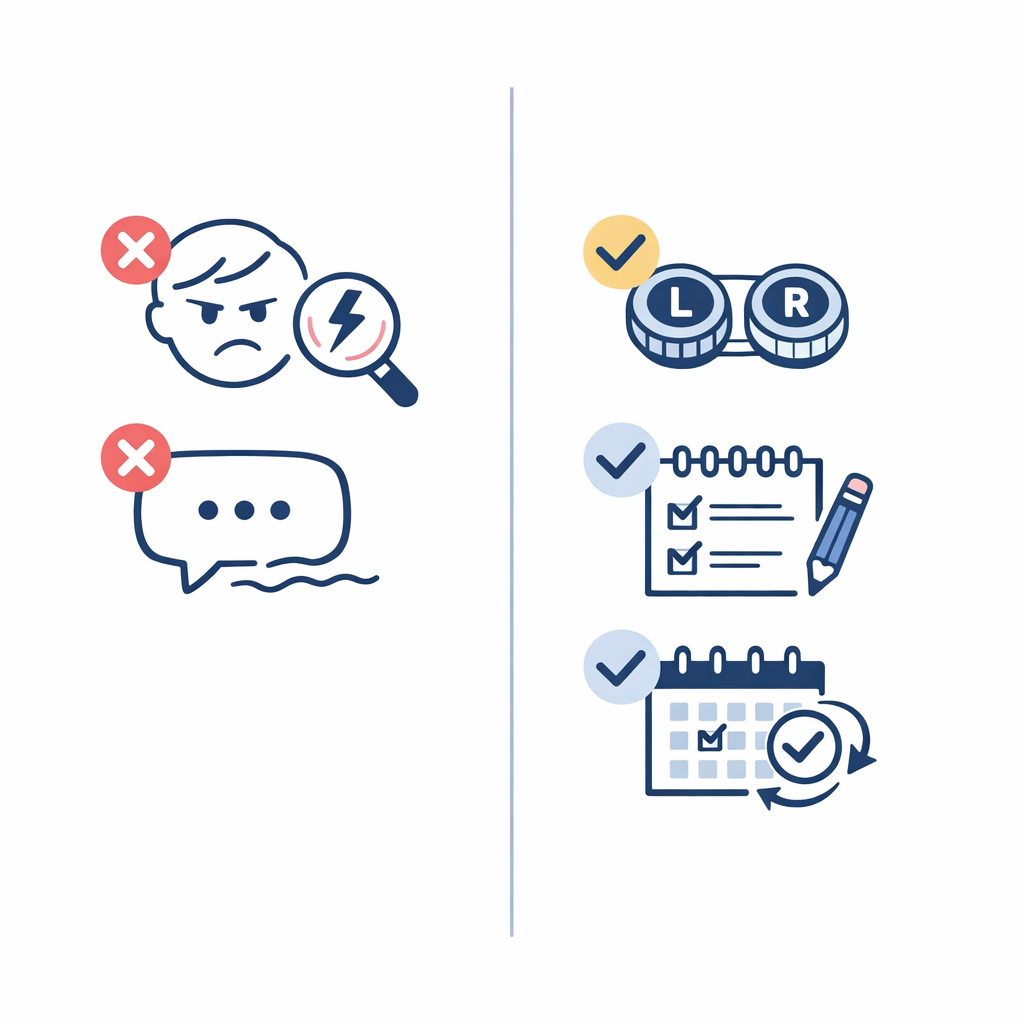
- Expecting perfect vision at every distance on day one. Multifocals are about balance, not magic.
- Judging the lens too quickly. A fair trial matters because first-day impressions can improve.
- Giving vague feedback. Specific complaints are easier to fix than general frustration.
- Assuming blurry reading means multifocals can never work. Sometimes the design or fit simply needs adjustment.
- Treating the purchase like regular retail instead of medical eyewear. A current exam and accurate fitting still matter.
What to do next
- Book an exam if near vision has changed and you have not updated your contact lens prescription.
- Write down your top three visual tasks before the appointment, such as reading, laptop work, and night driving.
- Ask whether multifocal contacts, monovision, or a contact-plus-glasses backup makes the most sense for your routine.
- Trial the lenses in real life and note exactly what works and what does not.
- Do not ignore comfort or eye-health issues just to make a lens “work.”
- Order only when the prescription, fit, and wear schedule all make sense for your eyes.
FAQ
What are the disadvantages of multifocal contact lenses?
The main disadvantages are compromise and adaptation. You may notice mild blur, halos, or glare in some situations, and the lens may not feel equally strong for reading, screens, and distance at the exact same time.
Who cannot wear multifocal contact lenses?
There is no single rule that says someone categorically cannot wear them. But people with certain prescriptions, challenging fits, eye-surface comfort issues, or very task-specific vision demands may do better with monovision, glasses, or another customized plan.
Is there a trick to wearing multifocal contacts?
The closest thing to a trick is patience plus specificity. Wear the trial lenses consistently, test them in real settings, and tell your doctor exactly which distance or situation feels off.
Why can’t I read with multifocal contacts?
Usually it comes down to one of four things: the near power needs adjustment, the design is not the best match, the fit needs refinement, or you are still adapting. Good lighting and a follow-up visit often help clarify which issue is actually causing the problem.
Choose the next step that fits your routine
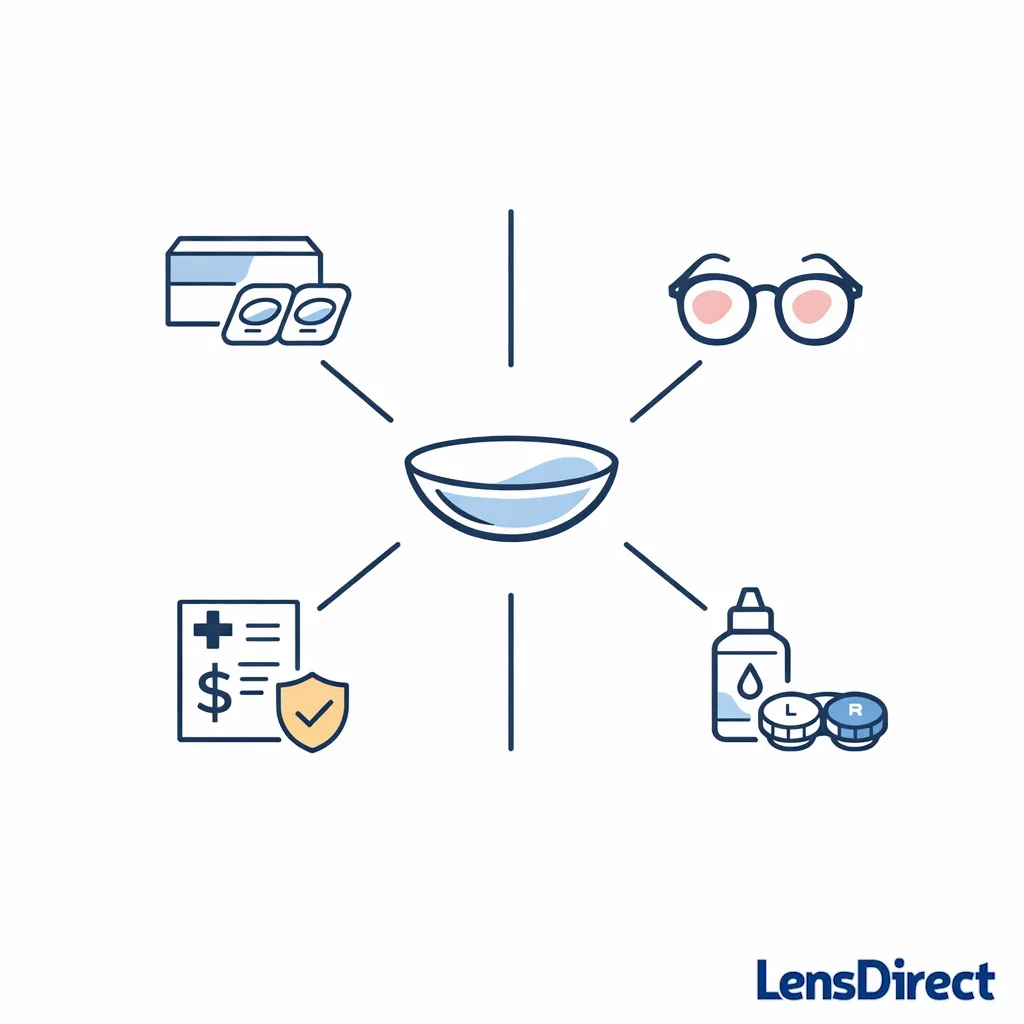
If you are ready to compare your options, LensDirect can help whether you want contacts, a backup pair of glasses, or an easier way to use the frames you already own. Start with the option that best matches what you are trying to solve day to day.
- Shop Contacts if you already have a current prescription and want to compare convenient ordering options.
- Learn How to Get Reimbursed by Your Insurance if you plan to use benefits, FSA, or HSA funds.
- Shop Glasses if you want a sharp backup pair for reading, work, or driving.
- Replace Your Lenses if your current frames still fit well and you just need updated prescription lenses.
- Shop Sunglasses if glare-heavy outdoor time is part of your everyday routine.
Author

Subscribe to our email newsletter to get the latest posts delivered right to your email.